One in six students report being bullied, with online abuse most common, survey finds
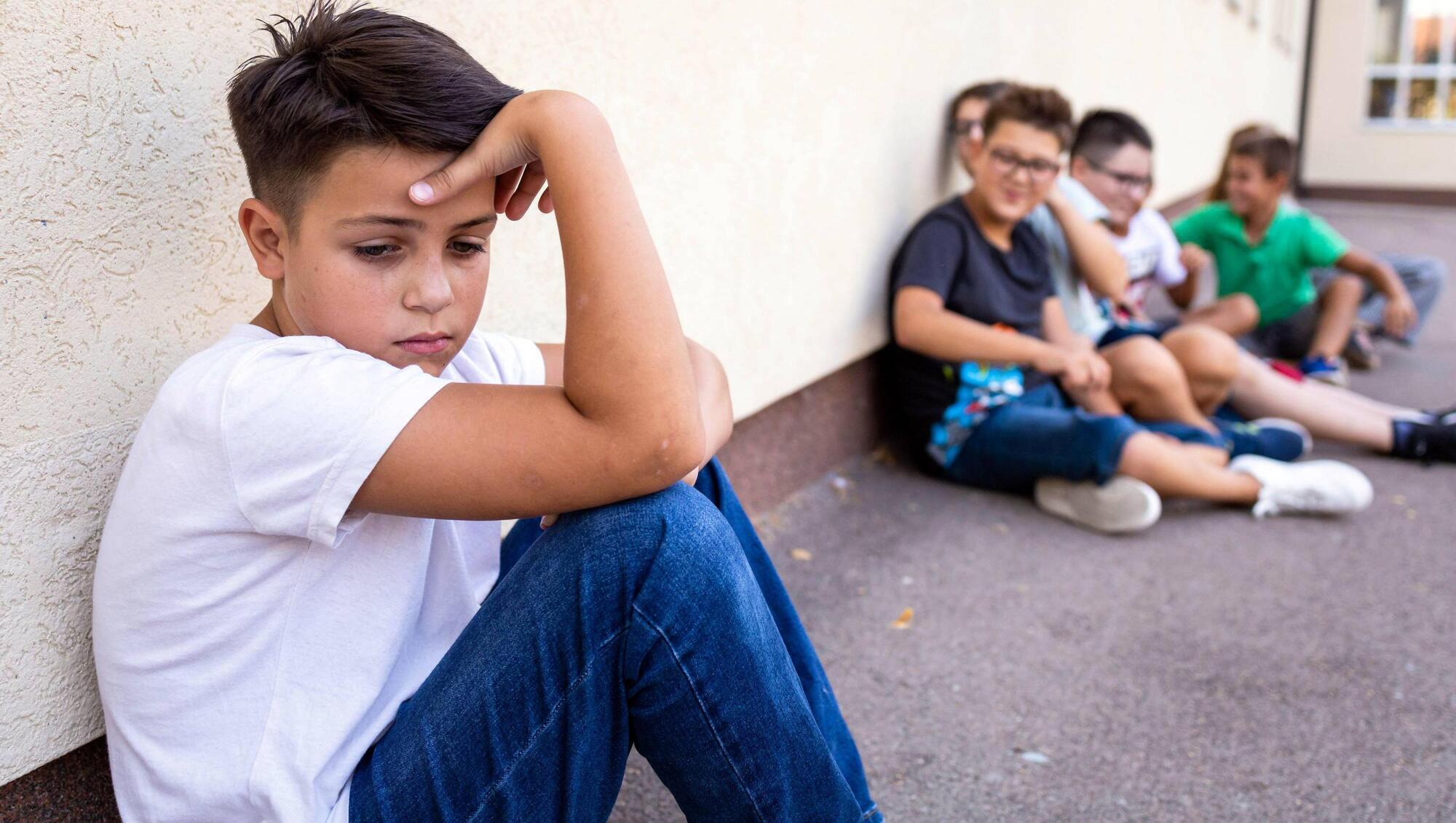
Most bullying reported (64%) was predominantly social and verbal in nature, including name-calling, teasing, or insults. File picture: PA
Bullying continues to be a significant feature of students' lives throughout their school years, with a department of education survey finding approximately one in six (15.5%) reported being bullied in the previous year.
Most bullying reported (64%) was predominantly social and verbal in nature, including name-calling, teasing, or insults.
Over half (53%) of students who had experienced bullying behaviour reported being talked about behind their backs, while 40% reported being deliberately excluded or ignored.
Reports of online bullying, such as spreading rumours or sharing embarrassing photos, increased among students in the senior cycle of post-primary school.
The department’s Inspectorate published its report, which includes input from almost 4,000 students.
While the gender gap between girls (16%) and boys (14%) reporting bullying was relatively slight, students who identified as ‘other’ reported significantly higher rates (28%).
Students who identified as ‘other’ also reported the highest levels of physical bullying (38%), as well as higher levels of bias-based bullying.
Among students who reported bullying, 70% indicated that incidents took place at least twice a month. Frequency also increased with age, with post-primary students reporting experiencing bullying at least weekly, compared with lower levels among primary school students.
Education minister Hildegarde Naughton said: "It is deeply important that we listen carefully to what children and young people are telling us about bullying behaviour. This report shines a light on their day-to-day experiences."
She added this includes "the many positive examples of kindness and inclusion in our schools, but also the very real harm that bullying behaviour can cause when it is left unchallenged".
The insights from students will continue to influence Cineáltas, the national action plan on bullying, she added.
Chief Inspector Yvonne Keating said: “Children and young people learn best when they feel safe, respected and that they truly belong. This report provides powerful evidence that bullying behaviour, particularly in its social, relational and online forms, continues to shape the everyday experiences of too many students, even where overall prevalence may appear moderate in international terms."
CONNECT WITH US TODAY



Be the first to know the latest news and updates