Why Ireland’s energy supports are becoming part of the problem
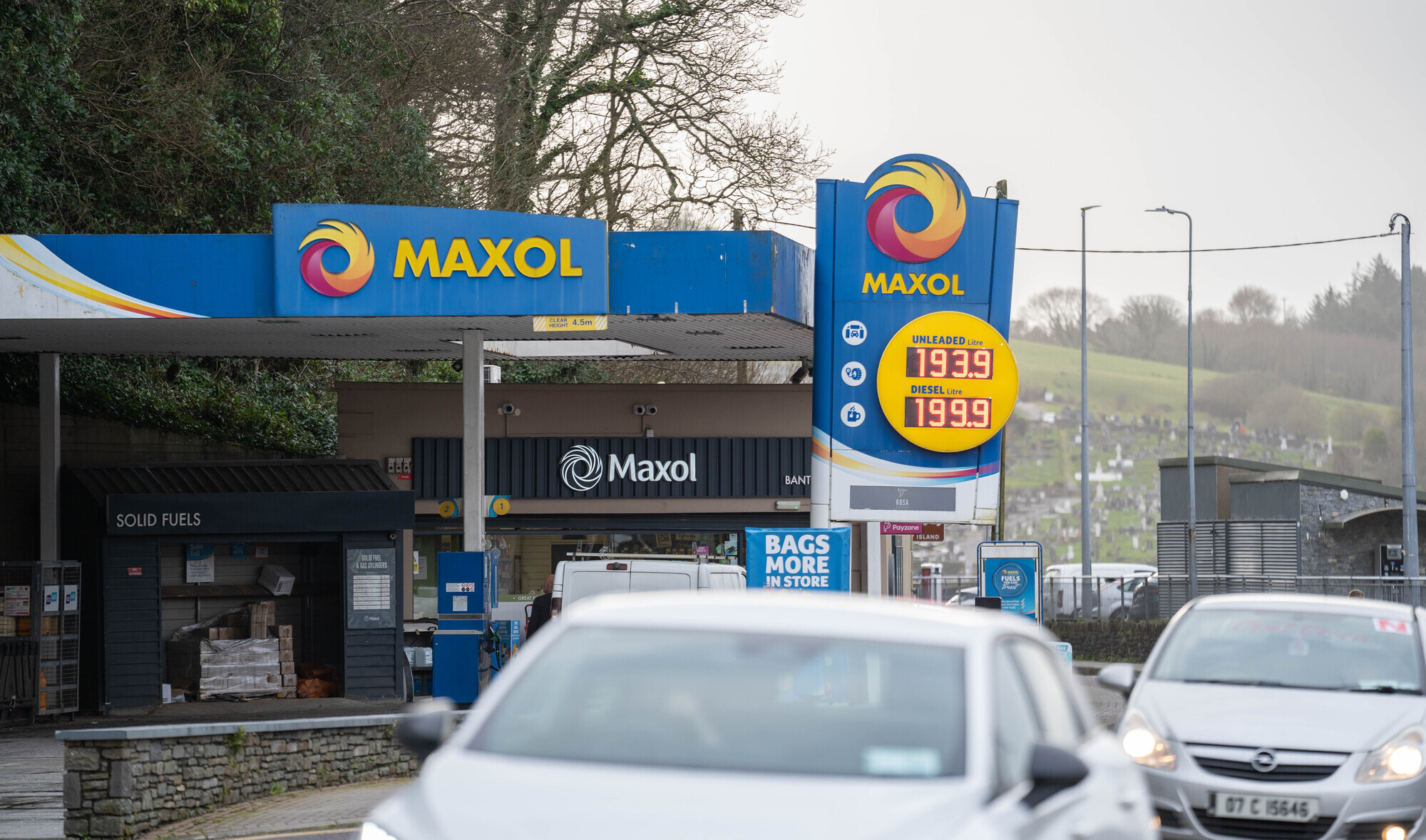
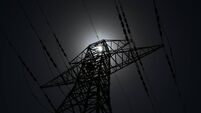
Energy is not just another policy area. It underpins the entire economy and is central to national strength and resilience. A system that is exposed to external shocks, slow to adapt, and dependent on ongoing support carries risk. Picture: Karlis Dzjamko
Cutting fuel prices or fuel taxes in Ireland will not, on its own, stop inflation.
It may reduce it in the short term, but other pressures beyond our control will also continue to drive prices. This as an economic lever has different impacts from farmers to hauliers, vulnerable citizens, working and middle classes, tradespeople, teachers, nurses, taxi drivers and business owners.
We saw this when the Government temporarily reduced fuel excise in 2022 and 2023. It helped ease inflation, but it did not eliminate it. Other pressures remained, including global energy markets, housing, and supply chains. This matters now because energy prices are rising again and the same policy response is returning.
Targeted supports are often presented as the safest option. Fuel allowances, subsidised public transport, and once-off cost-of-living payments all help households. They support those most in need without significantly increasing overall demand and are therefore unlikely to drive inflation.
But there is a deeper issue. These supports are becoming embedded across our systems. Once introduced, they are very difficult to remove. Households adjust their spending around them and expectations shift.
Reducing support later can increase financial stress, reduce consumption, and in some cases slow the wider economy. So governments hesitate. What begins as emergency support can quietly become a standing feature of the system, rarely questioned and even more rarely removed.
From both an economic and systems perspective, this is not surprising. Targeted supports are “sticky”. They reshape behaviour and create administrative structures, eligibility rules, and payment systems that are complex to unwind. Once built, these systems develop their own inertia. Systems do not respond to slogans. They respond to design, delivery, and constraint.
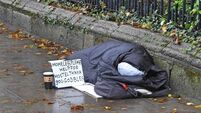
At the same time, we need to be honest about how poverty works in Ireland. It is not the same as in developing economies. Most people have their basic needs met, but many still lack the resources to fully participate in society. This is relative poverty.
The deeper issue is social immobility. Access to education, housing, health, and stable employment remains uneven, and over time this creates a cycle where poverty can persist across generations. The effects are visible in widening social divides.
Energy sits at the centre of all of this. It shapes our quality of life, our daily jobs, access to basic services and opportunities, including health, education and whether you live in a city, suburb, or rural area, and across all income groups.
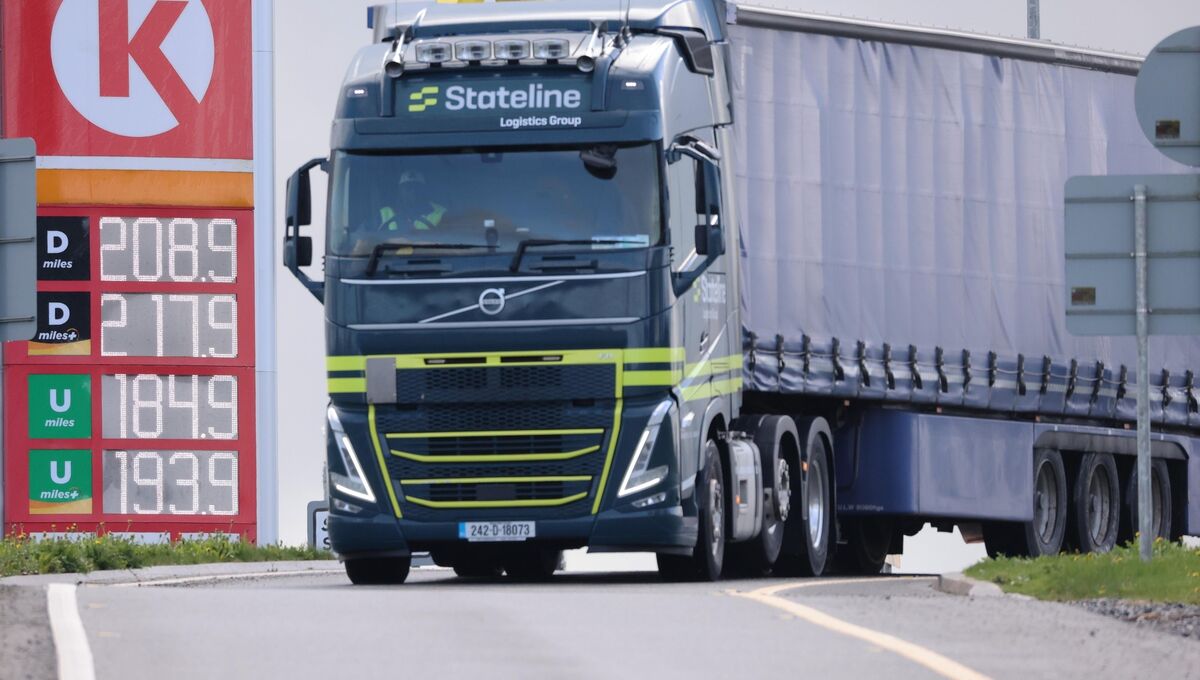
It is not just about transport, heating, or electricity. It determines whether businesses can operate, how much they invest, and what they charge. It affects capital expenditure, overheads, and material costs across sectors, including food, manufacturing, and services.
High energy costs affect everyone, but not equally. Lower-income households often receive targeted support, for example a fuel allowance. Higher-income households can try to absorb the cost. But middle-income households face a real squeeze. They spend a meaningful share of their income on energy but often do not qualify for support. This is where pressure is building.
The impact extends further. Businesses face higher operating costs, affecting competitiveness, investment, and job creation. Public services are also exposed. Schools, hospitals, and local authorities all face rising energy bills, which ultimately fall back on the State and, in turn, the taxpayer.
Over time, this creates a feedback loop. Higher energy costs drive higher public spending, increasing pressure on taxation or borrowing. That pressure does not disappear; it moves through the system.
When support schemes expand, they also shape expectations. People begin to assume that the State will intervene whenever prices rise. That may be necessary in a crisis, but if it becomes the norm, it changes the relationship between citizens, markets, and the State.
We also need to acknowledge a more uncomfortable reality if we want to build a resilient and secure economy and society. Policy is often shaped by visibility.
Supports are immediate, tangible, and politically responsive. Structural decisions are slower, harder, and less visible. One tends to win votes more quickly than the other. That imbalance matters. Over time, short-term measures are prioritised and long-term solutions are delayed, weakening the system we depend on.
Energy is not just another policy area. It underpins the entire economy and is central to national strength and resilience. A system that is exposed to external shocks, slow to adapt, and dependent on ongoing support carries risk.
Some elements of energy policy should not be shaped primarily by short-term political pressures. They require consistency across electoral cycles, delivery rather than announcements, and a willingness to take difficult decisions early rather than defer them.
At present, we are managing symptoms repeatedly rather than causes. We are cushioning the impact of high energy costs but not reducing our exposure to them.
At the same time, parts of the decarbonisation debate have, at times, been presented in ways that are more aspirational (such as research) rather than a tangible engineering and economic operational goal.
The reality is more complex, and the system is less forgiving than the narrative suggests. If we want to deliver environmental goals, maintain economic stability, and ensure fairness, we need policies grounded in how systems operate.
Energy prices are very unlikely to return to previous average levels in the near term, the patterns are gradually up over time. Global markets remain volatile, demand is increasing, and the transition to low-carbon systems require sustained investment.
This is not a temporary shock. It requires careful planning and a clear strategy to reduce exposure to fossil fuels we do not control. Market reform and a whole-system approach in Ireland across electricity, heating, and transport are essential.
That means our approach must change. Short-term targeted supports will always have a role, but they cannot be the foundation of the system.
We need to reduce exposure to high costs, not simply offset them. That means delivering infrastructure, investing in efficiency and retrofitting, and building a system that is affordable by design.
It also means scaling solutions such as storage, flexible demand, and integrated energy systems. At present, parts of our electricity market are not fit for purpose.
We both write this as pragmatists. There are no easy solutions, and every option involves trade-offs. But avoiding difficult decisions does not remove the cost; it increases it over time.
Spreading that cost through ongoing supports may appear easier in the short term, but it creates long-term consequences for public finances, economic behaviour, and policy credibility.
There is also a role for all of us. When politicians come looking for votes, we should ask better questions. What is the long-term plan? How will this reduce exposure to future shocks? How does this improve resilience? Short-term relief matters, but it is not enough.
Participation matters. Voting matters. Being informed matters. Real change only happens when people engage with the decisions being made.
Ireland has the capability to build a more resilient energy system. We have the skills and the experience. But it requires a shift in approach, from reaction to planning, and from short-term support to long-term delivery.
Energy prices will remain higher than in previous decades. The question is whether we continue to respond in cycles or start to act with intent. Energy policy is no longer just about cost. It is about our economy, our environment, and social equity — in addition jobs for ordinary citizens.
Ultimately, it is about control over our economic and national future.
- Professor Aoife Foley is chair in Net Zero Infrastructure at the University of Manchester and Professor Raphael Heffron, Dean of Law, University of Abu Dhabi
CONNECT WITH US TODAY



Be the first to know the latest news and updates