Garda at centre of ‘bike gate’ receives standing ovation at GRA conference
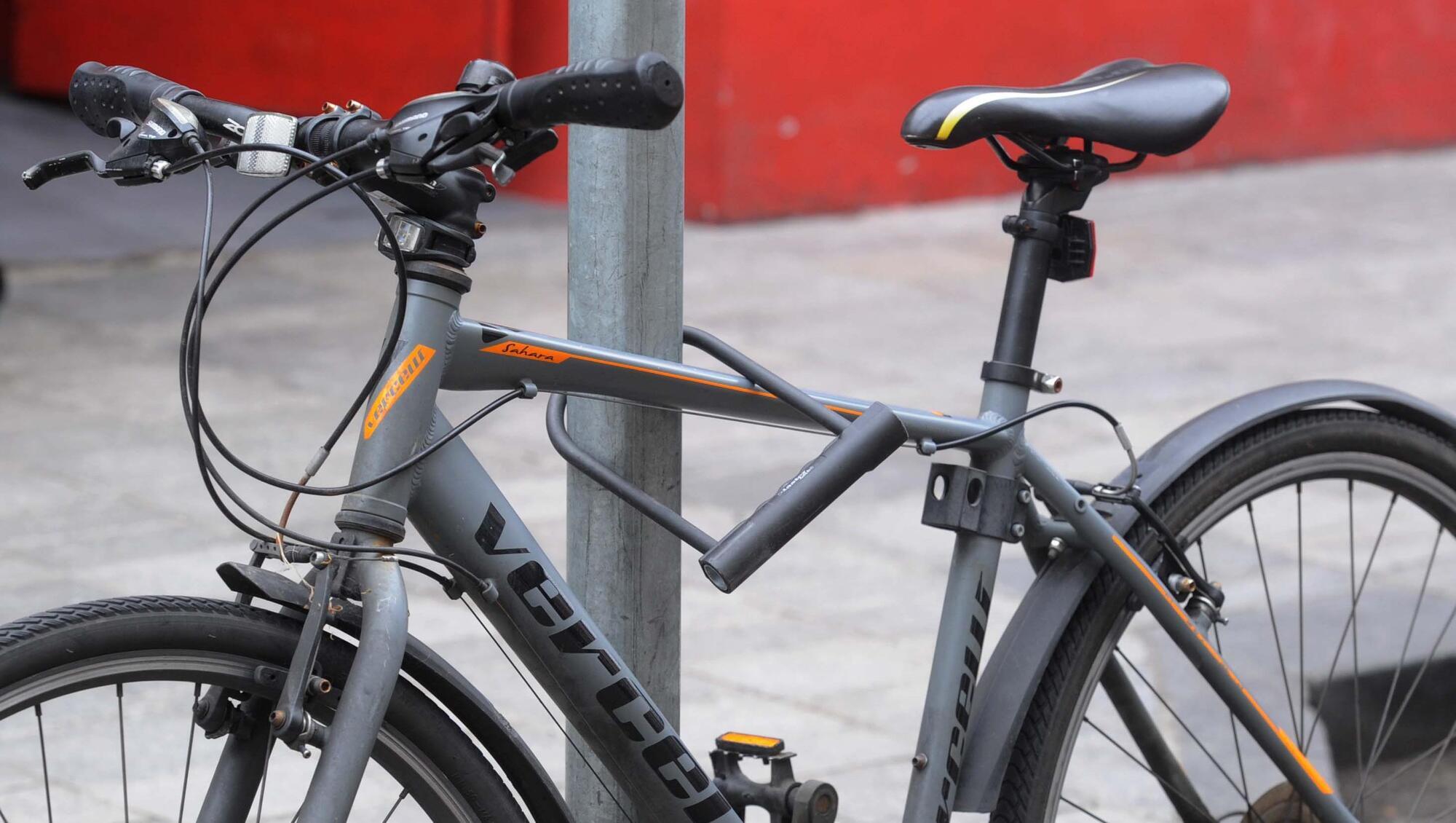
Detective Garda Eamonn Cunnane receives standing ovation as GRA conference hears criticism of suspension policies. File picture
Detective Garda Eamonn Cunnane, at the centre of the ‘bike gate’ controversy, received a standing ovation from colleagues at a Garda Representative Association (GRA) conference in Co Mayo.
The treatment of Mr Cunnane had been a “shameful stain on the force,” Detective Garda Michael Ryan told the GRA’s annual conference on Tuesday.
Mr Cunnane joined seven gardaí from the Limerick and Clare divisions on stage to loud applause. All had been suspended for more than five years but were ultimately cleared of wrongdoing.
Mr Ryan outlined how loud banging woke Mr Cunnane at 7am in June 2020, when six members of the National Bureau of Criminal Investigation (NBCI) arrived at his home with a search warrant.
Read More
They were investigating a “stolen bicycle”, he was told.
Mr Cunnane had called to a neighbour, an older man living alone during the pandemic, to “check if he was ok – a simple act of care in a difficult time,” Mr Ryan said.
It later emerged that a bicycle would make “a big difference to this man’s health”, but there was “confusion” about purchasing one during the pandemic.
Mr Cunnane loaned an unclaimed bicycle that had been “rattling” around the garda station to the man until “normal life resumed”.
“This was community policing at its best,” Mr Ryan said.
However, the incident became the subject of a criminal investigation by the NBCI. Mr Ryan said this occurred despite Mr Cunnane’s more than 30 years of “impeccable service” and community involvement.
This was despite the fact that Mr Cunnane had served more than 30 years of “impeccable service” and had been deeply involved in his local community, Mr Ryan said.
The investigation had a significant personal impact. Mr Cunnane’s mother was diagnosed with a terminal illness during this period and “in her final weeks he was cut off without a phone under immense stress,” Mr Ryan said.
He “lost precious time with her, time that can never be replaced.”
“What should have been a time of quiet support and dignity became overshadowed by stress and uncertainty.
“She passed away a few weeks later on the 13th of July.”
Mr Cunnane was suspended for more than three years, “not knowing what would happen next”.
Ten months after the search, the Director of Public Prosecutions directed that there should be no prosecution. However, he remained under suspicion for a further three years.
“The toll was immense. On his health and well-being, on his reputation, on his standing in his community, on his wife Jackie, on their three adult children, all serving in frontline roles as a teacher, a nurse, and an army officer.”
“When he was finally allowed to return to work, it was only on a partial basis. He was restricted. He was told he could not deal with the public.
“Finally on the 5th of March 2024 [...] he was formally exonerated.
“There was relief, at last, his name had been cleared."
“But that relief was short lived. On the 21st of March, 2024. Just two weeks later, comments made by Commissioner Drew Harris at the Public Account Committee [...] cast a shadow over his exoneration and undermined the vindication that should have followed when he said that not all the facts were on the table, " Mr Ryan said.
“Instead of closure, the damage was prolonged.
“And the sad thing is that it's just one story from around the country.”
Mr Cunnane was joined on stage by seven gardaí from Limerick and Clare who were also suspended for lengthy periods but later cleared of wrongdoing in relation to alleged interference with road traffic offences.
Two of them, Colin Geary and Tom McGlinchey, were accused of perverting the course of justice in relation to cancelling penalty points but were found not guilty. Three others — Niall Deegan, Paul Baynham, and Peter O’Donnell — were charged but not proceeded against, while Alan Griffin and John Shanahan were never prosecuted.
Frank Thornton of the GRA Limerick division said the gardaí had been “scapegoats in this witch hunt.”
During more than five years of suspension, they “sat alone at home, ostracised and isolated” while colleagues continued working.
It was “an intolerable burden” of “shame and hardship” that affected the gardaí and their families, Mr Thornton said.
He added it would never be known how many people died on the roads while these experienced gardaí were suspended.
The GRA is calling for a full review of the current suspension policy. An urgent motion seeking an independent appeals process for suspended gardaí was passed unanimously.
Hundreds of gardaí are attending the GRA’s 48th annual conference in Westport, Co Mayo.
The GRA represents some 11,000 rank-and-file gardaí in a force of approximately 14,500.

CONNECT WITH US TODAY



Be the first to know the latest news and updates