Household electricity prices could rise by up to 9% by summer, minister warns
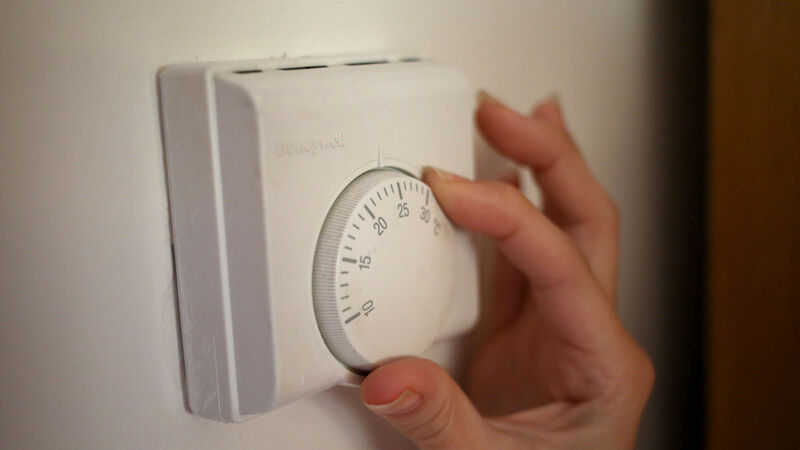
A study from the Economic and Social Research Institute (ESRI) has suggested that Ireland already has the highest electricity prices in Europe, with household electricity prices rising by 4.7% in the last year.
Household electricity prices could rise by up to 9% by the summer, while the cost of flights are also expected to surge, senior government figures have warned.
Ireland's energy regulator has said it is “impossible" to accurately predict how electricity bills will rise due to the war in Iran, but the Taoiseach and the minister for energy have both warned consumers to prepare for more financial pain.
The Commission for Regulation of Utilities (CRU) said the volatility of market gas prices is likely to continue, making it "impossible to predict how the retail market will react".
A study from the Economic and Social Research Institute (ESRI) has suggested that Ireland already has the highest electricity prices in Europe, with household electricity prices rising by 4.7% in the last year.
Home heating oil, meanwhile, rose by 67.5% in the space of just a month after the conflict in the Middle East erupted.
Read More
While the cost of fuel has soared since the US and Israel first launched strikes against Iran, this has not yet translated into higher electricity and gas bills.
However, minister for energy Darragh O'Brien has warned that increases in electricity and gas prices are likely on the way from May onwards.
"On electricity ... it will be single-digit increases, but it depends on the providers," he said, predicting rises of between 4%-9%.
When asked if energy credits might form part of the Budget in October, the minister told RTÉ he "is not ruling anything out at the moment".
The EU, meanwhile, will urge members to cut their dependence on Middle Eastern jet fuel and look into increasing imports from the US, as airlines remain concerned about future supply.
The International Energy Agency (IEA) estimates that Europe has around six weeks of jet fuel left as a result of the conflict in the Middle East and the continued closure of the vital shipping route, the Strait of Hormuz.
Aer Lingus has confirmed that it is to cancel or reschedule about 2% of its flights, but said this was for “mandatory maintenance” on aircraft rather than a direct response to the fuel crisis.
Taoiseach Micheál Martin said the price of aviation fuel is a bigger concern than its availability. He said a recent security supply meeting was told there are 70 days of jet fuel in reserve.
“If you take a 20% contraction, you can extend that out maybe to 250 days,” he said.
“The members of the International Energy Agency (IEA) are seeking to increase refining of product also.
“Prices will be a significant issue with jet fuel in the short term."
The Taoiseach said that “no area has impacted on so many people as the rises in energy prices”.
Targeted and general government decisions have provided “significant relief”, he said, but conceded this is “not a permanent answer”.
“We need to get energy prices down long-term, and this requires both investment and reform," he said.
“We will continue to push forward our investments in transport and international connectivity, because this is needed to reduce the costs of getting food and other goods into our shops.
“We will continue to invest in new networks, to reduce the costs of distributing electricity to families and businesses. We have to review the wide body of regulations which influence prices, and to seek ways to make sure that a priority is given to affordability.”
Iranian officials reversed the reopening of the Strait of Hormuz at the weekend, reimposing restrictions on the shipping lane after the US said it would not end its blockade of Iranian ports.
US president Donald Trump said his envoys would return to Pakistan for talks with Iran, threatening more attacks on Iran's bridges and power plants unless it accepts his terms.
Mr Trump said the US delegation would arrive on Monday evening, a timetable that leaves just a day for talks to make progress before a two-week ceasefire ends.
CONNECT WITH US TODAY



Be the first to know the latest news and updates