Europe has 'maybe six weeks of jet fuel left', energy agency head warns
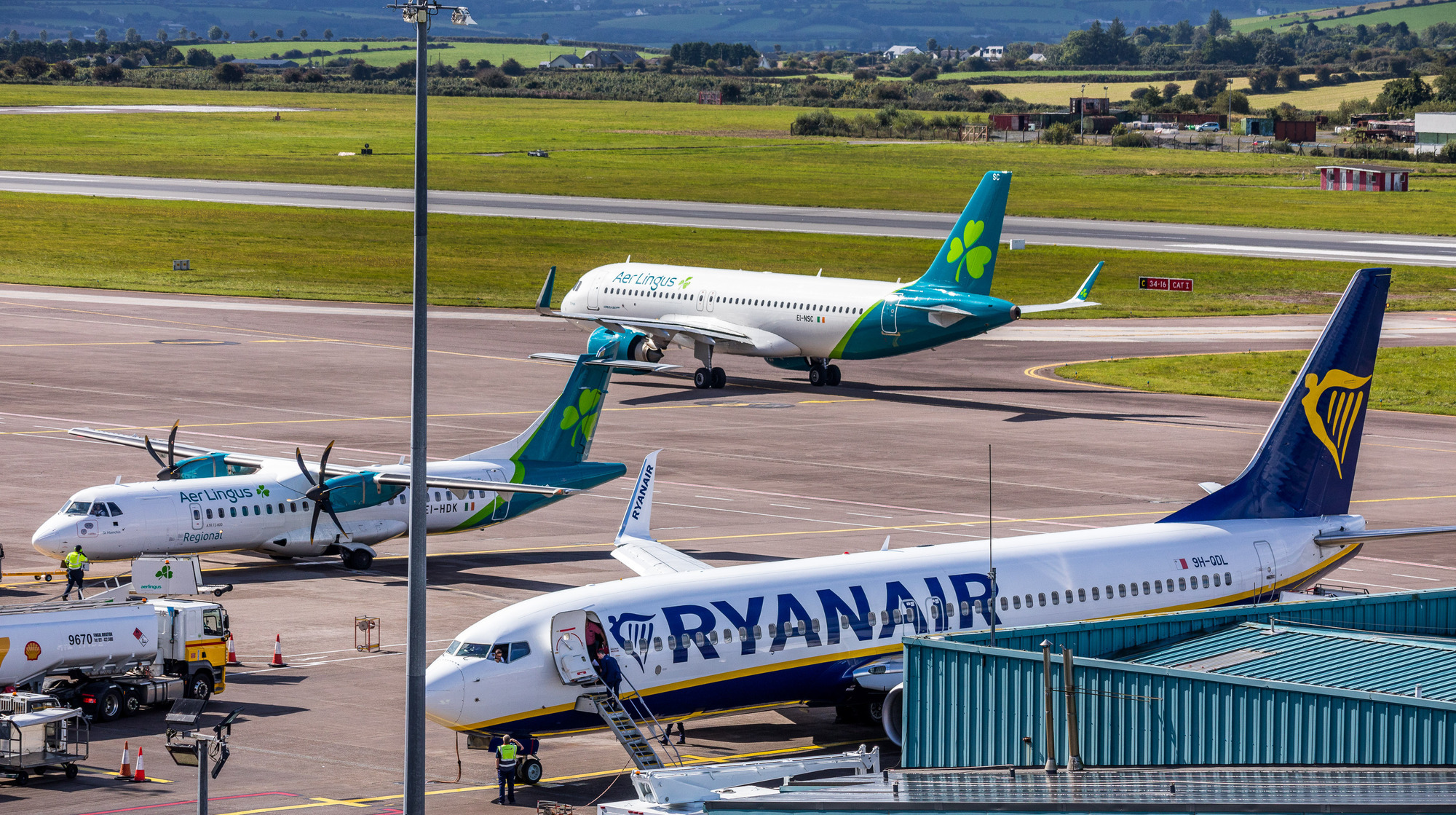
IEA Executive Director, Fatih Birol, said: 'I can tell you soon we will hear the news that some of the flights from city A to city B might be canceled as a result of lack of jet fuel.' File picture: David Creedon
Europe has “maybe six weeks or so” of remaining jet fuel supplies, the head of the International Energy Agency has warned ahead of the busy summer holiday season.
IEA Executive Director, Fatih Birol, painted a sobering picture of the global repercussions of what he called “the largest energy crisis we have ever faced,” stemming from the pinch-off of oil, gas and other vital supplies through the Strait of Hormuz.
Read More
"It’s a dire strait now, and it is going to have major implications for the global economy. And the longer it goes, the worse it will be for the economic growth and inflation around the world."
The impact will be “higher petrol prices, higher gas prices, high electricity prices,” said Birol.
Economic pain will be felt unevenly and “the countries who will suffer the most will not be those whose voices are heard a lot. It will be mainly the developing countries. Poorer countries in Asia, in Africa and in Latin America".
But without a settlement of the Iran war that permanently reopens the Strait of Hormuz, “everybody is going to suffer,” he added.
“Some countries may be richer than the others. Some countries may have more energy than the others, but no country, no country is immune to this crisis,” he said.
Nearly 20% of the world’s traded oil passes through the Strait of Hormuz in peacetime. Birol warned that not reopening the waterway within weeks could compound the repercussions for global energy supplies.
“In Europe, we have maybe six weeks or so (of) jet fuel left,” he said. “If we are not able to open the Strait of Hormuz ... I can tell you soon we will hear the news that some of the flights from city A to city B might be canceled as a result of lack of jet fuel.”
More than 110 oil-laden tankers and over 15 carriers loaded with liquefied natural gas are waiting in the Persian Gulf and could help ease the energy crisis if they could escape through the Strait of Hormuz to world markets, Birol said, adding: “But it is not enough.”
Even with a peace deal, war damage to energy facilities means it could be many months before pre-conflict levels of production are restored, he said.
CONNECT WITH US TODAY



Be the first to know the latest news and updates