More than 24,000 new Irish citizenships granted in 2024
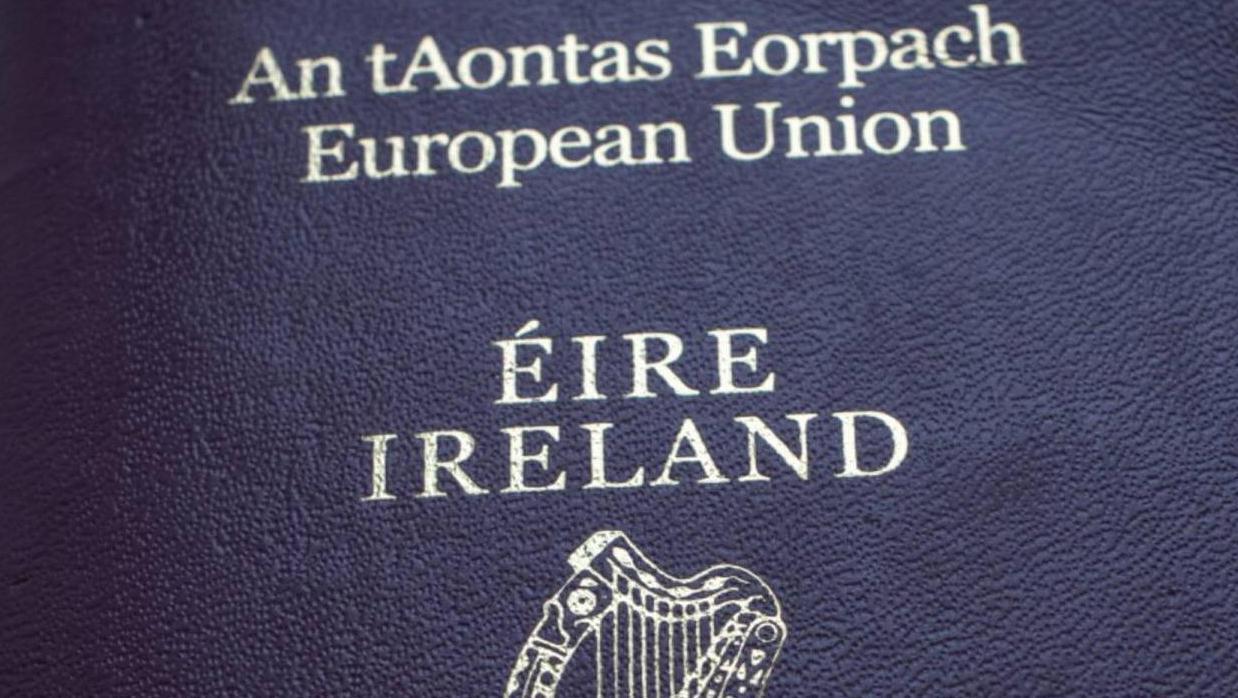
The latest figures show the naturalisation rate among foreign nationals living in the Republic in 2024 was 2.9 citizenships being granted per 100 non-national residents — the highest rate in the past decade. File Picture: Matt Cardy/Getty
The number of foreign nationals granted Irish citizenship in 2024 increased by 32% to over 24,000 — the highest annual total in the past decade.
Recently released figures from the European Commission show a total of 24,059 individuals became Irish citizens in 2024 — the latest year for which comparative EU figures are available — an annual increase of almost 5,800.

The previous highest annual total in Ireland was when 21,104 citizenships were awarded in 2014.
The largest number of new Irish citizens came originally from India (3,946), followed by Brazil (1,708), Britain (1,541), Romania (1,354), and Nigeria (1,235).
Other countries whose natives acquired Irish citizenship in large numbers in 2024 were the Philippines, Poland, China, Pakistan, and South Africa.
The figures show that 19% of new Irish citizens in 2024 — almost 4,500 individuals — came from other EU countries, mostly Romania, Poland, and Latvia.
While the annual number of new citizenships granted in Ireland rose by almost a third in 2024, several other countries such as Denmark, Slovakia, and Germany recorded much larger increases proportionately.
The latest figures show Ireland granted the fifth-highest level of citizenships on a per capita basis in 2024, with 4.5 new citizenships awarded per 1,000 population. The EU average was 2.4.
The countries awarding more citizenships as a proportion of their population were Luxembourg (8.8 per 1,000 population); Sweden (6.0); Spain (5.2) and Belgium (5.1).
The latest figures show the naturalisation rate among foreign nationals living in the Republic in 2024 was 2.9 citizenships being granted per 100 non-national residents — the highest rate in the past decade.
The naturalisation rate in Ireland was the eighth highest in the EU and just above the EU average of 2.7 in 2024.
The minister for justice, Jim O’Callaghan, announced last November that he had secured government approval for a range of new measures in relation to migration, including a requirement that applicants for citizenship are self-sufficient and not in receipt of social protection payments within the previous two years before an application is made.
Mr O’Callaghan said the measure, which will require legislative changes to the Irish Nationality and Citizenship Act 1956, was designed “to align more closely with the practice in many other EU member states".
“My intention here is not to bar anybody who has ever received a welfare payment from the State, but I think it is reasonable to expect that a person seeking to become a citizen has contributed to the country.
"There will be welfare payments that will not, and should not, affect a person’s ability to apply and be granted citizenship,” he added.
Earlier this month, the minister for state for migration, Colm Brophy, said the median time for processing applications for citizenship is approximately eight months — down from 24 months in 2021 — despite a substantial increase in new cases in recent years.
“I expect that, going forward, most applicants will receive a decision within one year, although this cannot be guaranteed in the case of every individual application,” said Mr Brophy.
He said decisions on approximately 31,000 applications have been made by the Department of Justice in both 2024 and 2025.
The minister pointed out that a significant number of steps have been taken to speed up the process such as introducing an online digital application, online payments, and the introduction of e-vetting.
Applicants generally are required to have five years of reckonable residence in the State before making an application, while the requirement for spouses of Irish nationals is three years.
In all cases, the final 12 months prior to an application must be continuous residence in Ireland. However, absences of up to 70 days during that period to allow travel for business, family, or holiday reasons is permissible.
Overall, almost 1.2m people were granted citizenship of the EU member state where they lived in 2024 — up 12% on the previous year with an increase of 122,700.
Increases in the number of citizenships awarded were recorded in 20 of the 27 EU member states, including Ireland.
Almost a quarter of new citizenships — 288,700 — were granted by Germany, with another 252,500 by Spain (21.4%) and 217,400 (18.5%) by Italy.
However, there were significant decreases in the number of citizenships in several countries such as Romania, Sweden, Hungary, and Estonia.
Almost nine out of 10 recipients of citizenship were from non-EU countries with Syrian nationals, accounting for the largest group of new EU citizens with 110,100; followed by Moroccans (97,100) and Albanians (48,000).
Other countries with high numbers of their nationals becoming EU citizens were Turkey, Venezuela, Ukraine, India, Russia, and Brazil.
The highest rate of naturalisation was in Sweden with 7.5 citizenships being granted per 100 non-national residents, followed by Italy (4.1), and Spain and the Netherlands (both 3.9).