Fishing fleet could be grounded within weeks due to fuel costs
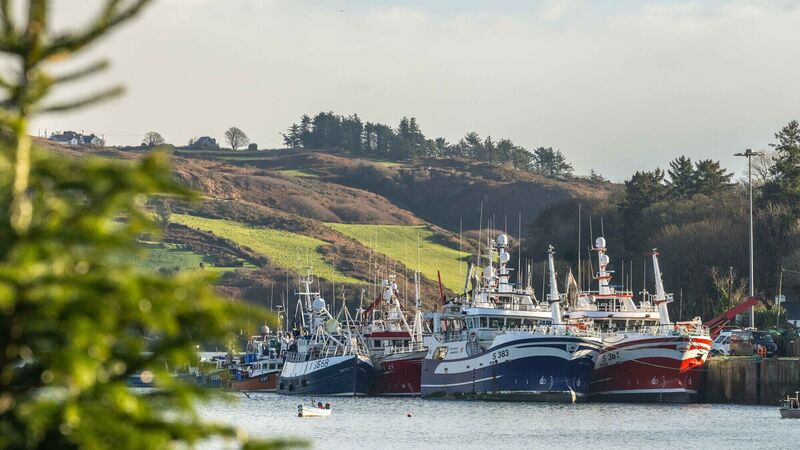
Ireland’s offshore and inshore fleets could be grounded in three weeks if the Government does not subsidise the fishing industry’s fuel bill, it has been claimed.
This could lead to a shortage of fish, and a threat to the jobs of 3,650 people in the fish processing industry.
Industry representatives have also warned the viability of the entire Irish offshore fishing industry is now in doubt.
Diesel supplies over a certain amount have already started being limited in some ports, with higher rates charged for orders over 10,000 litres.
It is also understood that around a third of the country’s 180-strong offshore fishing fleet are on the verge of pulling in their nets and tying up their vessels because they can no longer afford to fish due to the rising cost of fuel.
The country's 800 inshore fishermen are also struggling with rising fuel prices and face similar challenges.
The Seafood Ireland Alliance called on the Government to help fishermen cope with soaring fuel costs almost a fortnight ago.
Irish Fish Processors and Exporters Association general secretary Brendan Byrne has warned: “This current fuel crisis is bad enough in its own right but it has hit an industry that is already in crisis.
“We were hit by Brexit, we were hit by falling quotas and then we were hit by the Ukraine war.
“There is only so much that this industry can take and it is my view that we are now staring down at the prospect of the Irish fishing fleet and the whole industry simply being no longer viable.
Irish South and East Fish Producers Organisation ceo John Lynch has warned: “The industry urgently needs help or it is just going to have to stop fishing.
“The white fish and prawn fishing fleet, of around 180 vessels, are the ones that are suffering the most, because they spend the most time at sea.
“Although the industry has now passed the viability mark, fishermen are fishing through it, hoping the price will go down.
“But there is going to come a time in about two to three weeks when it’ll be cheaper to tie boats up than go fishing.”
He pointed out that fishermen and women cannot pass the higher cost of diesel onto any of their customers, and instead have to accept what the market is prepared to pay for their fish.
“Fish might go up in the shop because they have increased costs, but that doesn’t pass on to the fisherman,” he said.
“We have to sell the fish we catch at the market price and we just have to take the on-the-day price.
“It’s a demand-based price, and it can go up or down from one week to the other.”
Dingle-based fisherman Bosco Mac Gearailt said: “The bottom line is the fact that the fleet will be tied up unless there is help.
“It is as simple as that. The industry is already in dire straits but now there is this down on top of the industry.
“If we can’t fish, factories haven’t got work and there’s no fish going into chippers. This is serious.”


CONNECT WITH US TODAY



Be the first to know the latest news and updates