Social media use linked to mental health problems in children
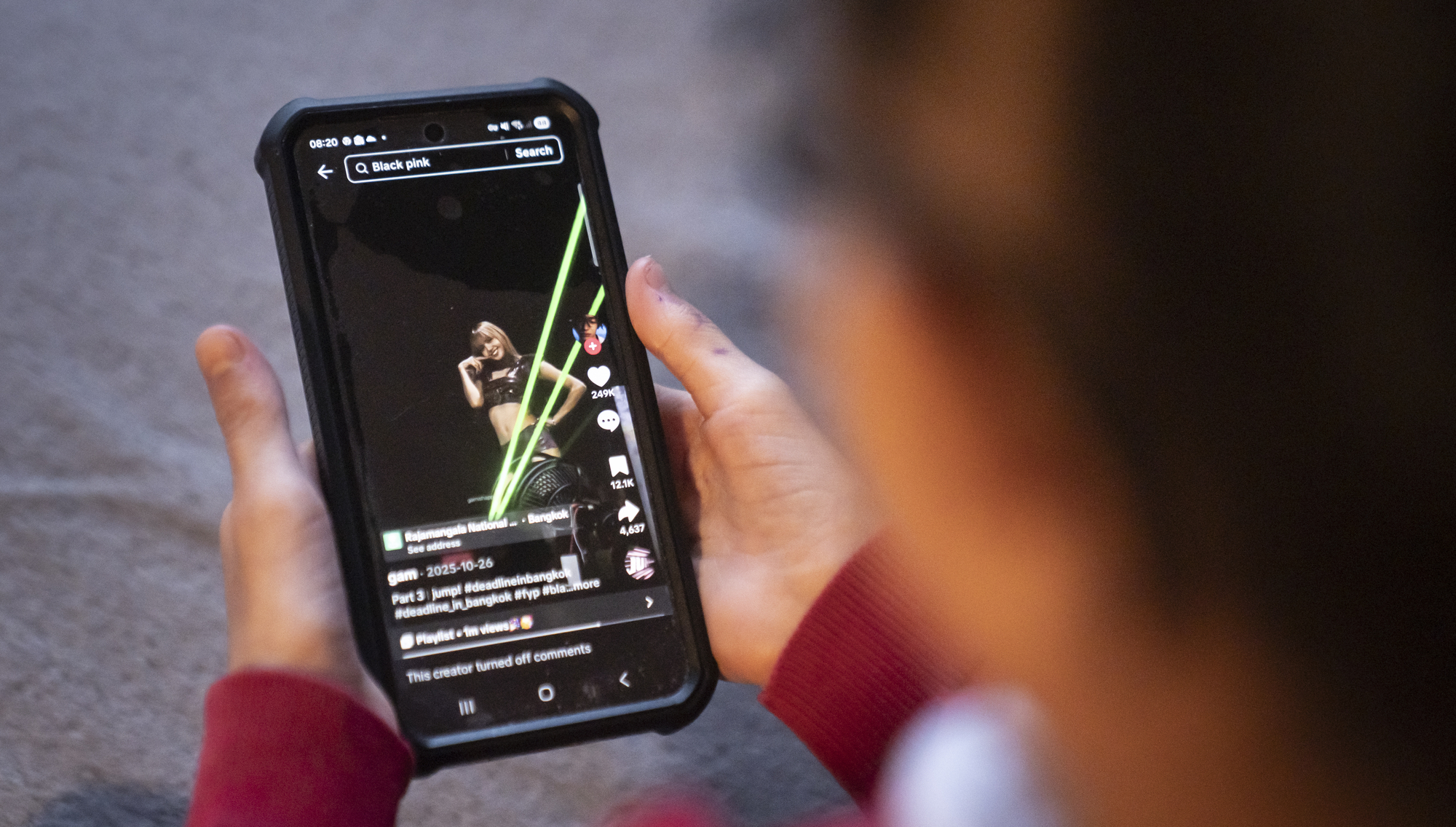
Social media use linked to mental health problems in children

Growing concern about social media and children has led to an EU expert group analysing whether a minimum age for use is needed.

Children who spend more than three hours a day on social media are more likely to develop mental health problems such as depression and anxiety as teenagers, according to research.

The relationship between these platforms and mental health is “complex”, with the effects mainly driven by disruptions to sleep, experts suggest.

The link between social media use and depression was also stronger in girls, the study found.

For the study, researchers at Imperial College London looked at data from a study of cognition, adolescents, and mobile phones (Scamp), which was set up in 2014.

The analysis included 2,350 children from 31 schools.

Youngsters completed a questionnaire on digital behaviours, mental health, and lifestyles, as well as cognitive tests, when they were in year seven, aged between 11 and 12, and again when they were between 13 and 15.

Heavy usage affecting sleep

The study found children who spent more than three hours on social media a day were more likely to have more symptoms of anxiety and depression as teenagers than those who spent 30 minutes scrolling each day.

Researchers suggest this could be down to sleeping less, particularly on school nights, and going to sleep later.

Chen Shen, of Imperial’s school of public health, said: “The relationship we see is complex, so it’s not as straightforward as saying that social media use directly causes poor mental health in children, like the well-established direct link between smoking and lung cancer, for example.

“But we see that children who use social media above a certain level when they are in year seven are more likely to develop mental health problems when they reach years nine and 10, and we believe this is largely due to sustained disruptions to sleep.” 

Digital literacy awareness 

The findings, published in BMC Medicine, support the development of a curriculum in secondary schools that raises awareness of digital literacy and sleep, researchers said. They also highlight that more studies may be needed as the social media landscape has changed dramatically since the data was collected between 2014 and 2018.

Mr Shen added: “We know social media platforms have changed enormously over the last decade and are likely to change as much, if not more, in the next five to 10 years.

“As the platforms, usage and content evolve, we need continued research to understand how social media use affects children’s mental health in today’s digital environment.” Professor Mireille Toledano, principal investigator of Scamp and Mohn chairwoman in child health at Imperial’s school of public health, said: “Our analysis shows a clear trend in terms of the amount of time spent on social media and mental health outcomes.

“Children who use social media apps for longer, and later into the evening, may be offsetting the sleep they need to function healthily. We think this is the key reason we’re seeing a lasting impact on their mental health down the line,” prof Toledano said.

“There seems to be growing support for a total ban on social media use for under-16s, and for the current non-statutory guidance of no phones in schools to become a legal ban.

“But, at the moment, we don’t actually have the evidence to support these bans or claims that social media or mobile phone usage are harmful in themselves. The picture is complex and multi-factorial, and we need to better tease out what is driving the associations we see.”

On Friday, a medical conference in Dublin was told the rising number of child sexual abuse cases linked to social media is a key reason for a ban on children using these apps, a medical conference in Dublin has heard.

Growing concern about social media and children has led to an EU expert group analysing whether a minimum age for use is needed.

Australia has already banned under-16s from social media platforms.

x

More in this section

Lunchtime News

Newsletter

Keep up with stories of the day with our lunchtime news wrap and important breaking news alerts.

Cookie Policy Privacy Policy Brand Safety FAQ Help Contact Us Terms and Conditions

© Examiner Echo Group Limited