Family who have lived in Cork for years among those picked up by gardaí ahead of deportation
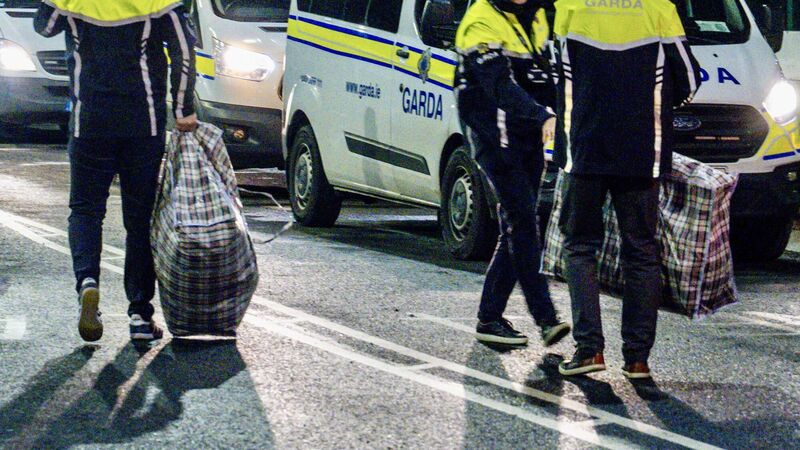
It is believed that many of those facing deportation today may have been arrested earlier in February, when 38 asylum seekers were arrested in a planned deportation operation in Dublin. File Picture: Picture Chani Anderson
A deportation operation is underway in Dublin, with at least one family who had lived in Cork for years being returned to South Africa.
One woman, who asked not to be named, saw women collapsing on the ground in tears as they were taken by gardaí to be deported.
One of the families picked up by gardaí today is understood to be the Breetzke family, who spoke to the before about their case.
The family’s asylum application had failed and the father and son were arrested earlier this month and detained in overcrowded conditions in Cloverhill prison.
The mother, daughter and younger brother were not jailed but they were so traumatised by the experience that they asked authorities to permit the family to return together as a unit to South Africa as soon as possible.
They fled South Africa after they were attacked by gangs at their farm outside Johannesburg, they said.
They are fearful to return to their home, they said. And their farm was stripped of materials in their absence so they do not know where they will go when they are returned to South Africa.
One woman who witnessed people with deportation orders being taken by gardaí said that it was a difficult, upsetting day. Multiple families who had lived and worked in Munster while in direct provision had been placed in a hotel in Dublin while awaiting deportation. And multiple people were picked up from this hotel as part of the deportation order today.
“It was horrible today. There is so much tension,” the woman, who asked not to be named, said.
“Gardaí came and picked up a family from the centre. They were crying on the floor.” A bus was waiting outside carrying other people, she said.
“It’s frightening. You don’t know if you’re going to be the next one,” she said.
“Someone puts a file on the GNIB’s desk and they just come and pick you up.”
The woman is alone in Ireland with her six children. Her husband disappeared and she believes he was murdered by a gang that was harassing the family at their business, she said.
“It’s too much. Sometimes I feel like breaking. But how can I break when I’m a mother alone trying to protect my children?
“People don’t understand when you’re coming from somewhere very frightening you don’t want to go back there,” she said.
“I don’t know where I will end up if I go back.” Sleeping pills and anti-anxiety medication is keeping her going, calming her nerves through an extremely worrying time, she said.
Another family understood to be being deported today to South Africa is the Oyekanmi family.
A large protest was held in support of the family’s request to remain in Ireland outside the Department of Justice in February.
But Titilayo Oluwakemi Oyekanmi and her three sons, Samuel, Joseph and Genesis, who are aged between five and 18, are understood to be facing deportation today.
The boys have been attending local schools in Dublin and are talented athletes, playing successfully with local sports clubs.
Their local community had asked the Department of Justice to allow them to stay but their deportation order has not been revoked.
An Garda Síochána said that it does not comment on ongoing operations.
It is believed that many of those facing deportation today may have been arrested earlier in February, when 38 asylum seekers were arrested in a planned deportation operation in Dublin.
Twenty-three males and 15 females were arrested after they went to sign on to notify the State of their whereabouts, as requested, at the Garda National Immigration Bureau (GNIB).
The Department of Justice previously said it has taken action to significantly improve immigration enforcement measures and increase removals.
In 2025, 4,700 deportation orders were signed, an increase of 96% compared to 2024.
In 2025, six charter flight operations removed 205 people from the State.
Of these, five operations to non-EU destinations removed 182 people who were subject to deportation orders.
One operation removed 23 EU citizens on grounds of criminality.
There were 434 deportations in total last year, 185 of which were enforced.
There were 1,616 voluntary returns.
“A deportation order is a legal order to leave the State,” the Department of Justice said in a statement.
“Any person who has been ordered to leave the State and fails to do so, within the timeframe issued with the deportation order, is committing a criminal offence and can be arrested without warrant if they come into contact with An Garda Síochána.
“Such an order remains on the person’s record permanently, unless revoked — it means they may not enter Ireland again in future.”
CONNECT WITH US TODAY



Be the first to know the latest news and updates