Ireland signs pact with European countries to deliver offshore wind power through joint projects
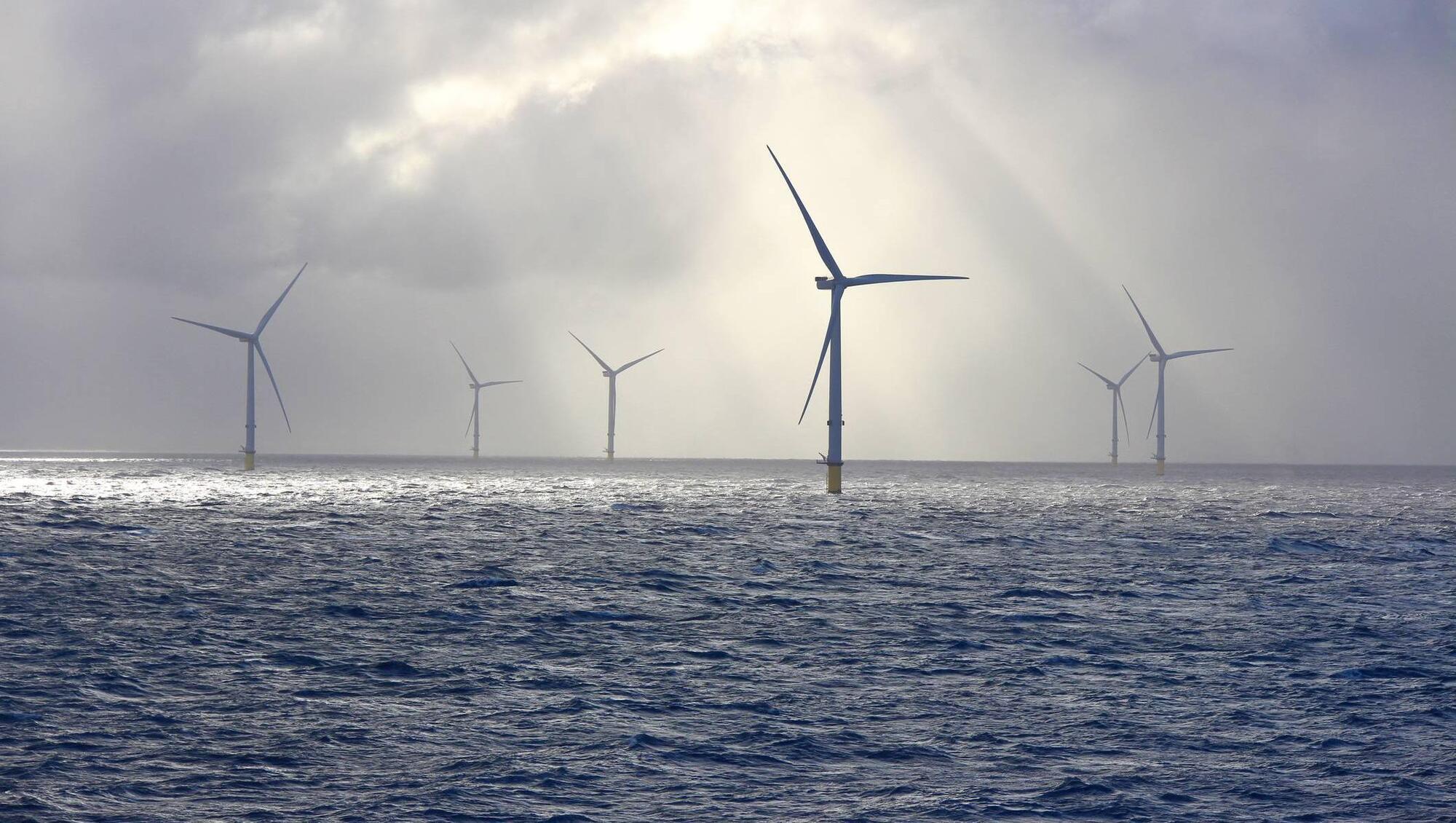
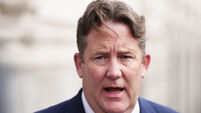
Energy minister Darragh O'Brien said Ireland's plan to get to 5GW of capacity in construction by 2030, and 37GW by 2050, was part of the country's 'huge potential'.
Ireland has joined a number of European countries in a deal pledging to deliver 100 gigawatts (GW) of offshore wind power through large-scale joint projects.
To put in context, 100GW could power more than 70 million homes. Energy minister Darragh O'Brien was on hand to sign the Hamburg Declaration of Energy Ministers.
Speaking at the summit, Mr O’Brien said Ireland's plan to get to 5GW of capacity in construction by 2030, and 37GW by 2050, was part of the country's "huge potential".
“As a small, windy island at the edge of Europe, the offshore energy potential of Ireland is huge. Increasing our cross-border electricity interconnection will enhance European energy security, increase our economic competitiveness and critically reduce consumer prices."
The Hamburg Declaration "will put in place tangible actions to enable greater interconnection in the North Seas, a key enabler of diversifying away from our reliance on fossil fuels", he said.
The agreement comes days after US president Donald Trump stepped up criticism of green energy. However it signals Western and Northern European governments remain committed to wind power as a way to boost the region's energy security.
"We are standing up for our national interest by driving for clean energy, which can get the UK off the fossil fuel rollercoaster and give us energy sovereignty and abundance," British energy minister Ed Miliband said.
North Sea countries agreed in 2023 to a broader goal of 300GW of offshore wind capacity by 2050. That followed Russia's invasion of Ukraine, which sharpened fears about Europe's dependency on Russian gas.
As well as Ireland, Monday's deal was signed at the North Sea Summit in Hamburg by Britain, Belgium, Denmark, France, Germany, Iceland, Luxembourg, the Netherlands, and Norway.
"By planning expansion, grids and industry together and implementing them across borders, we are creating clean and affordable energy, strengthening our industrial base and increasing Europe's strategic sovereignty," said German economy minister Katherina Reiche.
CONNECT WITH US TODAY



Be the first to know the latest news and updates