Hostile states may target Ireland during EU presidency, cybersecurity experts warn

Regarding the evolution of AI, Mr Browne said he believes the world 'is still just in the foothill of this particular Everest.'
Ireland’s forthcoming presidency of the EU is likely to heighten the chance of the country being targeted by “hostile states”, a cybersecurity conference has heard.
The country's second National Cyber Security Conference heard from assistant garda commissioner Michael McElgunn that “we have to be mindful that we are approaching the presidency of the EU and [are] likely to be a target of hostile states in terms of intelligence gathering”.
Ireland will serve its presidency from July 1, 2026, until the end of that year. Mr McElgunn added that those hostile states will also likely seek to “exercise influence” via cyberactivity.
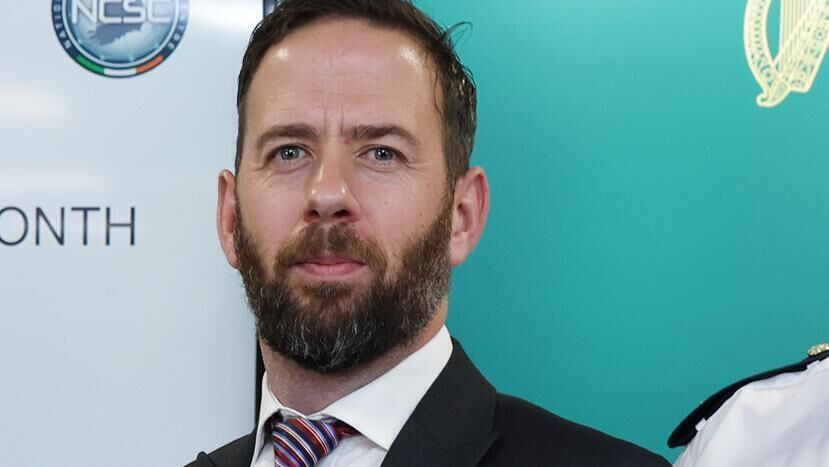
Director of the NCSC itself, Richard Browne, said the centre “knew full well” that the presidency of the bloc is likely to cause issues in terms of attracting unwanted attention for the State.
He said those attacks would likely include attacks on service providers, but also “potentially in the disinformation space”.
“We’re prepared for that, we’re doing the risk assessment... to build our own response plan to the presidency,” Mr Browne said, adding that the plan will “evolve over time”.
Mr Browne — who took over his role in January 2022, six months after a cyberattack brought the HSE to its knees, said Ireland has, since that date, grown in capability in terms of its cyber defences and is now regarded by the rest of Europe as being “an advanced counterpart”.
“We’re a top-tier European operation centre,” he said. “That’s great, but we still have to evolve.”
Mr Browne said there are three broad cyber risks facing Ireland at present — the geopolitical risk surrounding conflicts such as that between Russia and Ukraine; changes in tech, particularly in the field of artificial intelligence; and potential supply chain disruption.
He said digital services are “heavily dependent on a vendor ecosystem that’s both global in nature and opaque in character”, making them especially vulnerable.
Regarding the evolution of AI, Mr Browne said he believes the world “is still just in the foothill of this particular Everest”.
“This is just the start of a very long journey,” he said, adding that the battle over AI will see “cyber have-nots” — that is those with less affinity for tech — targeted, “particularly in the national security space”.
“Nation state actors are heavy and early adopters of AI... it’s a given,” he said.
While the conference heard from the NCSC, the Defence Forces, and Gardaí about unprecedented collaboration between those units with the goal of defending Ireland’s cybersecurity, it also heard about how cyber safety begins at home.
Director of operations at the NCSC, Colm Stapleton, noted that phishing scams — people being lured into clicking into nefarious emails or links — are still the dominant incidents that the centre comes across.
“Humans are the weak point,” he said, adding that simply changing a password regularly — and always changing a default password — “still does solve most problems”.
CONNECT WITH US TODAY



Be the first to know the latest news and updates