Broadcasts of Dáil and Seanad sessions in doubt as no firm has tendered for service
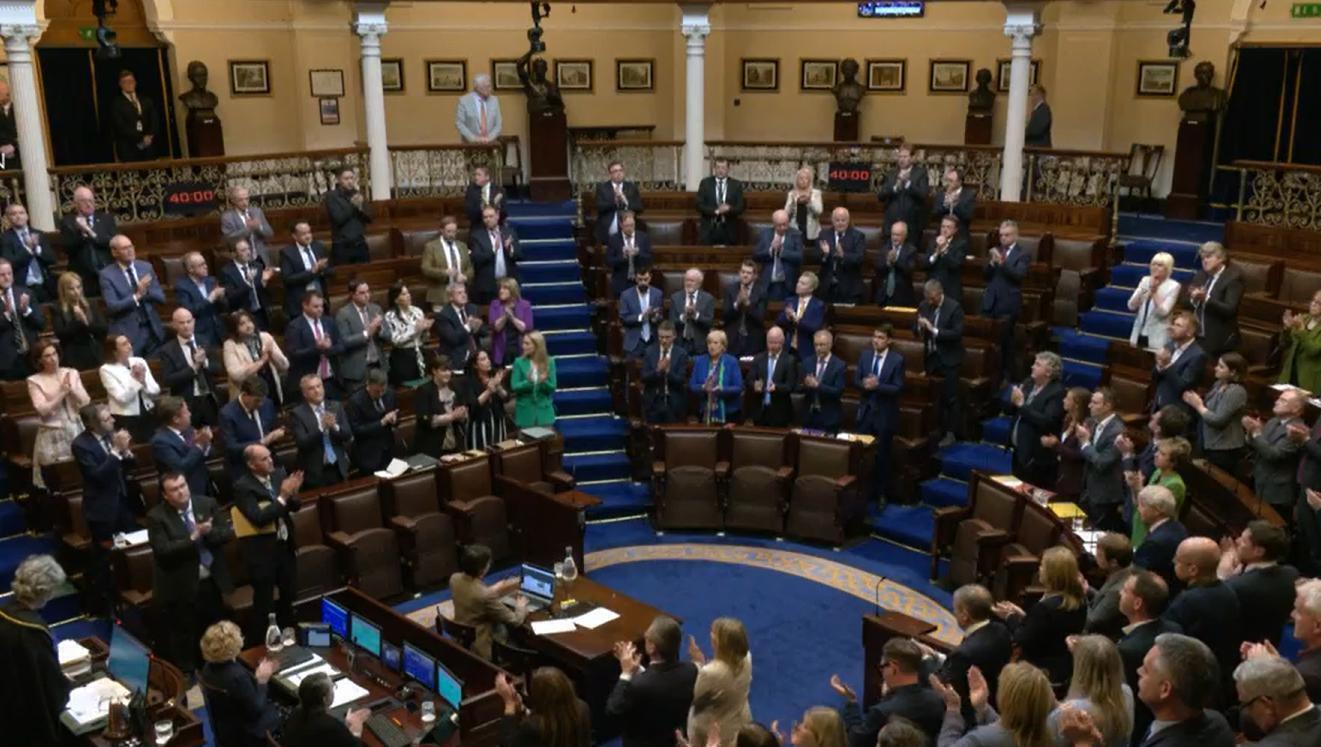
In September, the Oireachtas tendered a new contract for the provision of recording and archival services with a value of more than €8m. Picture: Oireachtas TV/PA Wire
Broadcasts of future Dáil sessions could be in doubt as no firms have stepped in to bid to continue the service next year.
In September, the Oireachtas tendered a new contract for the provision of recording and archival services with a value of more than €8m.
In October, Pi Communications, which has held the contract for Dáil broadcasts since at least 2011, told staff it did not bid for the new contract to continue offering the service.
It is due to end its services at the end of 2025.
In correspondence seen by the , Dáil clerk Peter Finnegan confirmed the tendering process concluded on October 10, and “no companies or consortia submitted a tender".
"As a result, there will be no evaluation and the procurement process has concluded. The Houses of the Oireachtas now requires a period of time to review options and next steps,” he added.
“Our immediate priority will be to ensure continuity of service. Our next priority will be to undertake a review of the current service delivery model and the failed procurement process."
He said any recommendations coming from the review "may inform revised tender documentation that will issue in due course". He added: “I am sure that everyone will continue to ensure that the proceedings of the Houses continue to be broadcast during the transition phase.”
At the beginning of September, the Houses of the Oireachtas service tendered for a new contract, given the expiry of the previous deal with PI Communications.
The new contract was a year shorter than the previous deal, and worth roughly €1m more.
However, in October, the company told staff it not bid for the new contract to continue offering the service, because it carried “significant risk” and new obligations made it “unsustainable”.
“Overall, the structure did not provide a sustainable basis for delivery, for staff, or for the organisation,” the company said in a letter to staff.
“Each of these pressures connect. Every one of us contributes to the whole; our collective effort is required to deliver the service.”
It also came against the backdrop of an industrial dispute amid the 20 or so workers who manage the live broadcast of all Dáil, Seanad, and committee sessions.
The workers have previously called on the Government to end their low-hour contracts and poor working conditions by integrating them into the civil service.
Last June, at least 125 TDs and senators sent a letter to the Oireachtas Commission calling for it to directly employ the broadcast workers rather than tendering for a private service.


CONNECT WITH US TODAY



Be the first to know the latest news and updates