Little help for family carers suffering 'hidden harm', expert warns
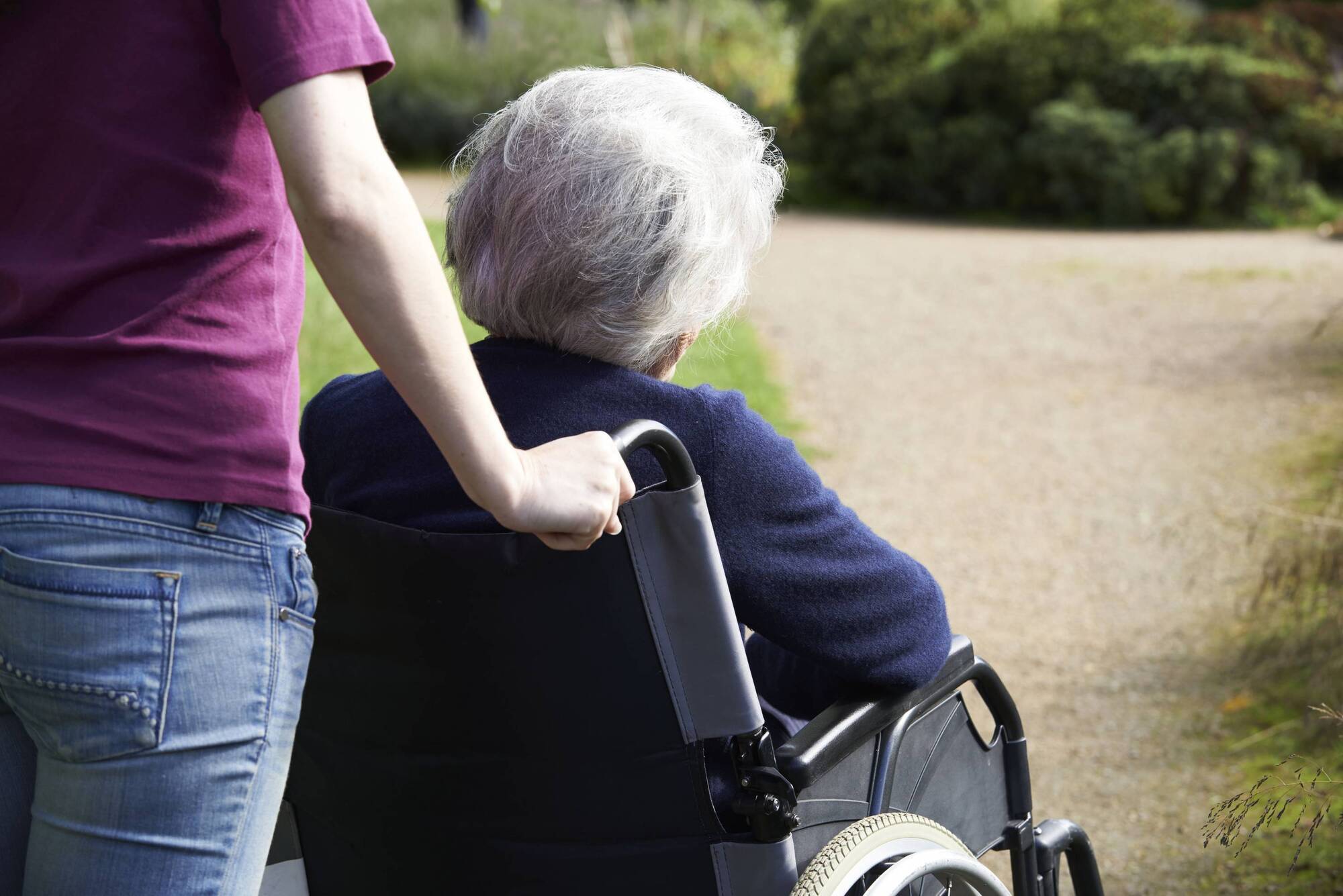
Carers want to protect relatives vulnerable due to dementia, living with disabilities or suffering mental ill-health.Â
Some family carers suffer âhidden harmâ including being hit, threatened with knives, or emotionally abused, but there is little help available, a social work expert has warned.
This is not widely known as carers want to protect relatives vulnerable due to dementia, living with disabilities or suffering mental ill-health.Â
An estimated one in seven people in Ireland are now carers.
âThere is generally a perception that this topic is taboo or very sensitive by carers, so carers are reluctant to talk about it,â said Dr Sarah Donnelly of the School of Social Policy in University College Dublin and lead author on new Irish research in this area.
Abuse can include âshouting, screaming, damage and destruction of personal possessions or the family homeâ, she said.
Some people experienced "a significant level of physical violence", she added.Â
One dementia carer said: âThings spiralled out of control.Â
"I think it was a kind of psychotic episode where she started threatening us with knives and she was taking the knives with her in the car when she was going out.âÂ
One person talked about âthat sense of guilt, failureâ.
An carer said of their situation: âThis is not wilful abuse, like itâs abuse but within the context of [that personâs] autism and responsive behaviours.âÂ
Another person said: âThe community mental health team immediately put her on anti-psychotics.Â
"We didnât get any tips on how we could deal with her behaviour.âÂ
Ms Donnelly said evidence is emerging of âsignificant long-term negative impactâ on the health of carers experiencing harm.
âThere have been numerous calls for all stakeholders to work more proactively with families when care and harm do intersect,â she said.
One person described her shock when a professional carer reported her father who had dementia to gardaĂ.
A mother described how she struggled to get help caring for a child with autism.
âI ended up in A&E with bruises and four broken ribs and 'C' was taken in by the guards on a Section 12 [order].Â
"This is how C ended up in voluntary care,â she said.
âThe poor guards, they know C inside out, and they even have said to me that 'itâs so unfair that you have no other choice but to ring us'.âÂ
Ms Donnelly spoke of the âvery hidden nature of the behaviourâ and the ongoing âsignificant impactâ of services drawing back during the pandemic.
Her interest in this area arose from previous work partnering with Family Carers Ireland.
The research team advised âa range of intersecting enforceable legal rightsâ would help protect carers.
The carer and the person they care for should be entitled to an assessment of need, with a statutory entitlement to any services identified.Â
They also advised âproactive support from a social workerâ is needed.
Ms Donnelly presented the findings at a seminar on Wednesday.Â
She spoke alongside British researchers who raised similar concerns for carers and their families in their countries
is published in