Ozempic, Hollywood and the new war on weight: what lies behind the wonder drug
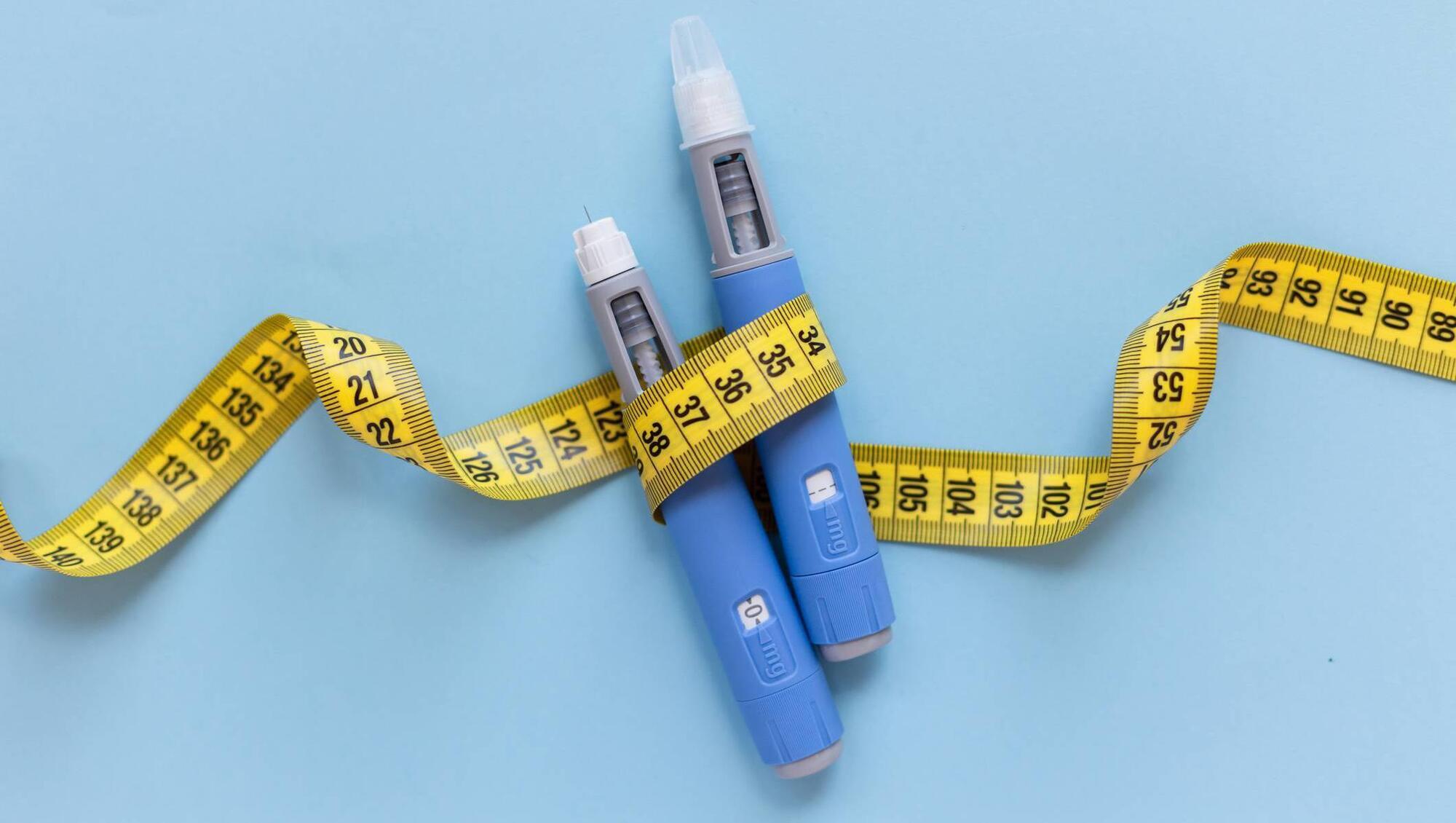
What is currently afoot across the globe is a mass experiment, by anybody who takes Ozempic, into the safety of this and other weight-loss drugs.
How well everybody looked at the recent Golden Globe Awards in Hollywood. Beautiful people wearing beautiful clothes and smiles that could blind you with their dazzle. But more than any of that, did you notice how thin so many of them were?
Actors have always had to watch their bodyweight, but these days it appears as if many who are well into middle age and beyond manage to pull off wearing bodies that might be fitted onto a young slip of a boy or girl emerging from teenage years. The effect is … well, make up your own mind.

How do they do it? Maybe they are eating and exercising better than ever, or maybe they are all on that which is referred to in Hollywood as “Vitamin O” — known to the rest of us as the weight-loss drug, Ozempic.
The drug and its fellow travellers in pharmacological wonder, Wegovy and Mounjaro, were discovered during research into diabetes. The side effect of weight loss has now become, for millions, the main event.
A new book written by Irish journalist Aimee Donnellan, answers many of the questions behind the wonder of Ozempic. However, it raises plenty of others.
The author delves deep into the history of the discovery of the GLP-1 hormone that contributes to treating diabetes and obesity. The world of science is shown to be in some ways murky, particularly when it comes to claiming credit — and the financial reward — for breakthroughs.
The development of Ozempic is a testimony to the huge strides in science that have been made over the last 50 years and more. Pharmacology has contributed to tackling and eliminating debilitating and some terminal conditions through detailed research, often by dedicated scientists. Millions of people have reaped the benefits through improved health and lifespan.
But where does the line blur between receiving vital assistance to combat a medical condition and using a wonder drug to knock off a few pounds, instead of adopting a sustainable route to better health?
To put it bluntly: One narrative that emerges from is that the proliferation of obesity was created in search of a buck, and now tackling that growing problem is being done through a lifestyle drug.
People made money selling the public cheap, addictive, and unhealthy foods from the 1980s on. Others made money pushing these foods.
More interests reaped the financial benefits of pushing a particular body image that was not easily achievable in the time of cheap, addictive foods.Â
Now, Big Pharma and plenty of others are making great wads of cash in flogging a drug that promises to deliver the perfect body image — even if you have eaten an inordinate amount of cheap, addictive foods all your life. This, it would appear, is capitalism’s version of the circular economy.
Ms Donnellan writes that the food companies target children as young as two in advertising foods that will inevitably lead to obesity for a large section.
“By 2012, the Federal Trade Commission estimated that food companies spent $1.8bn on marketing food to children as young as two years old,” she writes.
“And some 84% of advertisements seen by children promoted food that was high in saturated fat, trans fat, sugars, and salt.”Â
A three-year study in the 1990s looked at the impact on body image as projected by Hollywood. It found that before shows such as made their way to the island of Fiji, there were no known cases of eating disorders in the region.
The local people “all had an intense love of food, with family life and social occasions all revolving around eating”, the study found.
That all changed with the arrival of Hollywood’s interpretation of what a body — particularly a woman’s body — should look like.
“After only three years of access to Western TV, the percentage of women and girls who engaged in activities like purging after a meal to lose weight increased to over 11%,” the author wrote.Â
This was the same level as experienced in the state of Massachusetts.

By 2016, one estimate in the US had it that $1.4tn was being spent on treating obesity — seven time of the amount spent on treating cancer.
In Europe, which is still catching up with the US in the obesity stakes, around €70bn annually is being spent on obesity.
Along came Ozempic in 2018. It was seen as the of drug treatments, arriving just before midnight to save the planet.
Ms Donnellan profiles various men and women across the globe who had issues with weight and who benefitted from the arrival of the weight loss drug.Â
These people had varying conditions, ranging from childhood trauma to a 47-year-old woman in Connecticut who was simply obsessed with shedding the pounds after having children.
Jennifer began talking to friends about “weight loss drugs that could help her shed the weight with the flick of a pen”. However, she didn’t qualify medically for a prescription.Â
After trying a number of GPs, she finally found one at the gates of her childrens’ school. This was salvation.Â
“To Jennifer, being thin was everything,” the author writes.
“When she considered the side effects or the possibility that the drugs could damage her health in the future, she always came back to the same thought: She would rather die in her 60s than live into her 80s overweight."
Another woman, Emily, was a 33-year-old teacher from Toronto who had struggled with her weight all her life. She was prescribed Ozempic and, in the first 18 months, lost 80 of the 280 pounds she had weighed.
Then the side effects, including compulsive and sustained vomiting, kicked in. Her life has, to the greatest extent, been ruined.
“Today, she grieves for the life she had before Ozempic,” Ms Donnellan writes.Â
“She wanted to be an educator and change the world, but now she feels like a financial burden to her partner. She’s unable to work.”Â
The worst manifestation of side effects of weight-loss drugs are not common, but it’s still too early to say how bad things can get.Â
What is currently afoot across the globe is a mass experiment, by anybody who takes it, into the safety of this and other weight-loss drugs.
The development of Ozempic has been a great leap forward for those suffering from type two diabetes and from obesity.Â
For everybody else who is interested in losing weight, it is undoubtedly a lifestyle choice that greatly eases efforts.
It is also the case that the phenomenon has prompted some who can’t get a prescription to go looking online, where all sorts of dangers are prevalent with these kinds of drugs. For those who simply can’t afford it, another chasm is opening up in the inequality of modern society.
Apart from all that, what really leaps out about the advances documented in is that coming off the drug can lead to, well, putting on weight.Â
In that respect, it is probably fitting that somebody is making money from the weight gain and loss merry-go-round.