Dublin man went blind in one eye after using weight-loss jabs
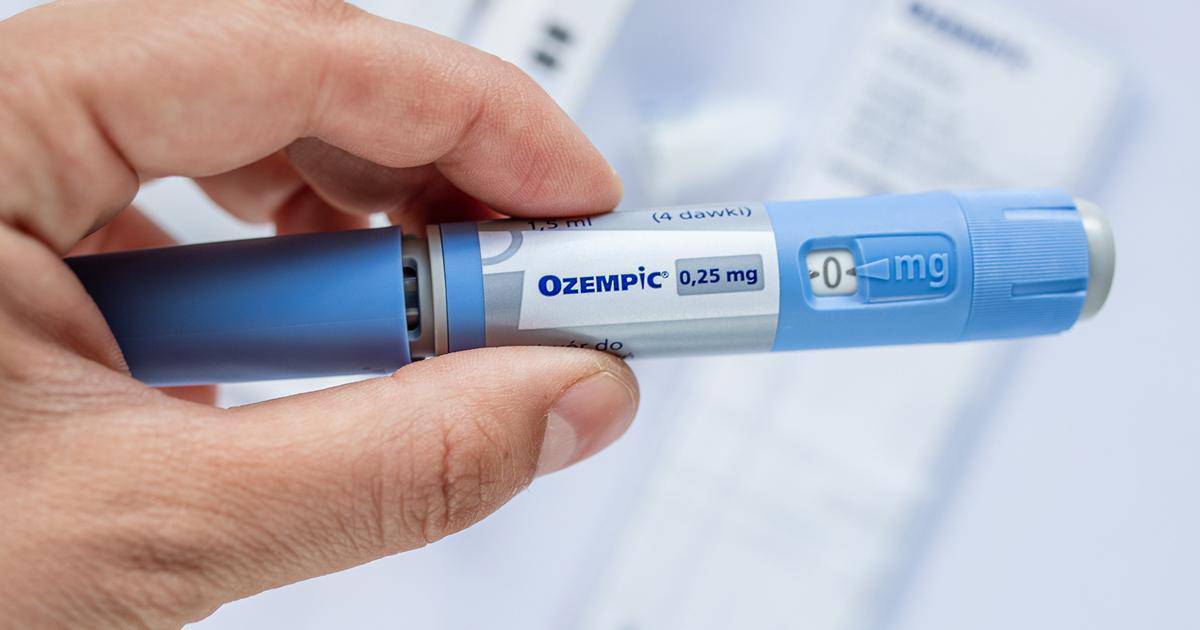
Specialists at the hospital’s Department of Ophthalmology linked the vision loss to semaglutide, which is the active ingredient in weight-loss jabs including Ozempic, Wegovy, and Mounjaro. They immediately stopped the injections.
Doctors have issued an urgent warning in relation to weight-loss jabs after a man in Dublin went blind in one eye after using the popular injectable medication.
The 50-year-old obese male attended the Mater Hospital after suddenly losing sight in his right eye. He had been taking weight-loss jabs once a week for two years.
Specialists at the hospital’s Department of Ophthalmology linked the vision loss to semaglutide, which is the active ingredient in weight-loss jabs including Ozempic, Wegovy, and Mounjaro. They immediately stopped the injections.
They established that the drug had caused non-arteritic anterior ischaemic optic neuropathy (Naion), a condition that reduces blood flow to the optic nerve, potentially leading to permanent vision loss.
The patient, a smoker with diabetes, was told to discontinue the drug and consult his GP regarding alternative medications to control blood pressure, cholesterol, and blood sugar levels.
The swelling on his optic nerve reduced and his vision improved after six weeks, according to a case report published in the latest issue of the .
The authors said GLP-1 drugs such as semaglutide were increasingly being recognised as a potential risk factor for NAION, but this was the first case reported in Ireland.
It is unclear how these medications contribute to an increased risk of Naion, they added, but previous studies have found an increased incidence of the condition in diabetic patients taking semaglutide.
Earlier this week, the British Medicines and Health Products Regulatory Authority acknowledged the existence of the complication and urged patients taking weight-loss jabs who notice vision changes to immediately seek medical attention.
The authors of the study warned that it is important for doctors to have a “high suspicion” of semaglutide-related NAION in patients taking the medication so that it can be detected and treated early.
Management of the condition involves addressing cardiovascular risk factors to improve blood flow to the optic nerve and reduce the risk of the same thing happening to the other eye, they wrote.
This often involves controlling blood pressure, administering statins, and supporting smoking cessation. They said outcomes vary from recovery of vision to sight loss in both eyes.
“To our knowledge, this is the first description of semaglutide-related NAION in Ireland,” they said. “It is important to have a high suspicion of the same in patients taking GLP-1RAs presenting with acute visual disturbance, to allow for early detection, consideration of alternative glycemic control and modification, where possible, of associated risk factors.”
Earlier this week, it was reported that the Health Service Executive spent an average of €550,000 every day on Ozempic and similar weight-loss jabs last year, with 80,000 patients getting the medication on free drugs schemes.