Free GP visit cards: HSE figures show thousands not applying for 'what seems a no-brainer'
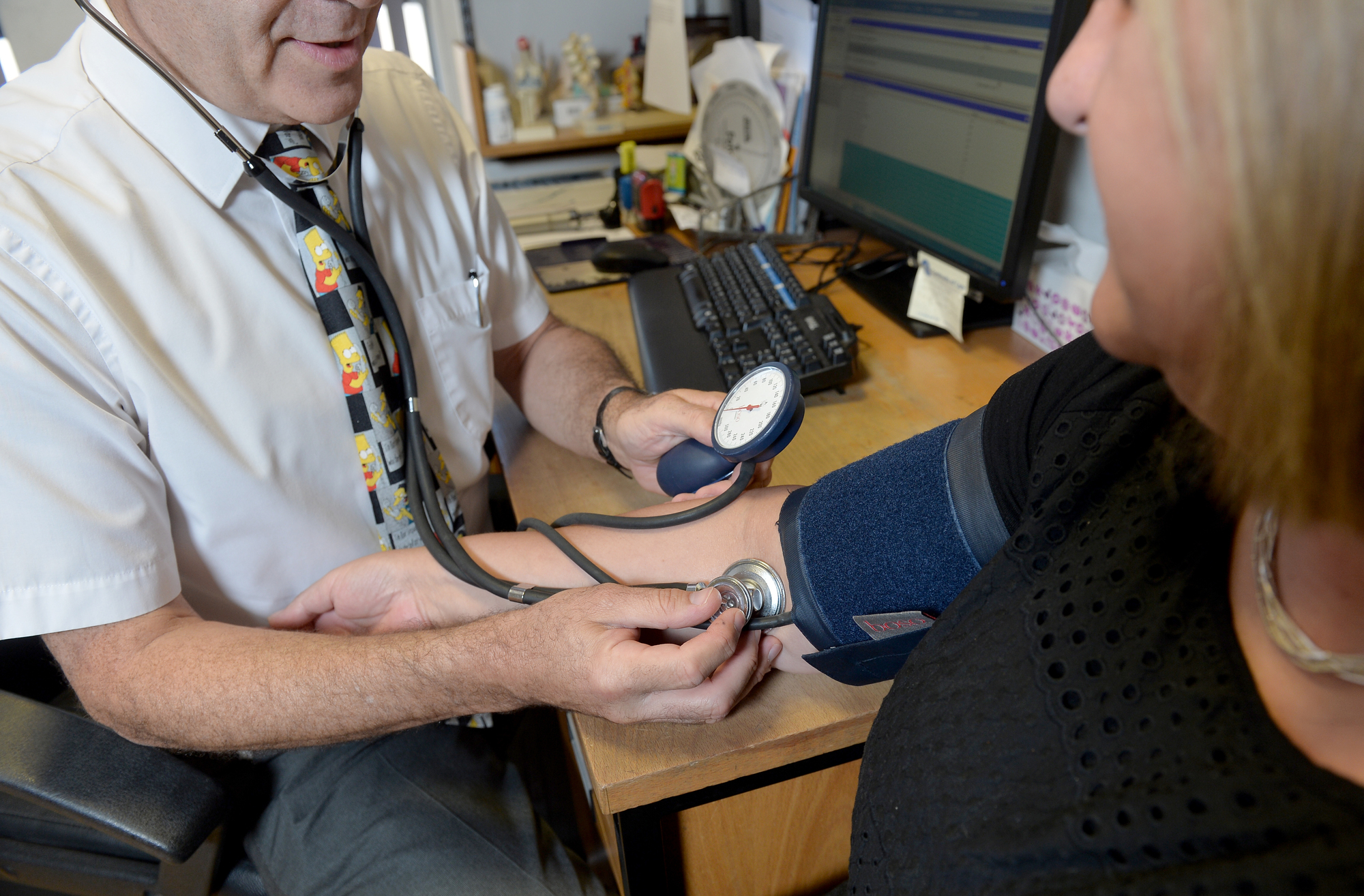
The HSE said more than half of people it surveyed felt they would not qualify for the GP visit card. File photo
A scheme announced last year that made 215,000 more people eligible for free GP visit cards has seen just 35,477 new cards issued, it has emerged.
Hundreds of thousands are missing out when applying should be “a no-brainer”, said a leading GP who called for analysis of why people are reluctant to sign up.
The scheme takes account of rent or mortgages and childcare among other costs in assessment. It was welcomed as making 215,000 additional people eligible by the Department of Health last year.
However, new figures from the HSE’s Primary Care Reimbursement Service (PCRS) show interest remains significantly lower than this.
“Under the bespoke self-declaration GP Visit Card application system, PCRS has received 25,935 individual or family applications since the thresholds changed. 35,477 GP Visit Cards have been provided via the self-declaration system,” it said.
Some people used paper-based applications or after applying for a full medical card they found out this card is what they are eligible for instead. The data shows no delays once people apply with all targets being met.
The HSE said more than half of people it surveyed felt they would not qualify for the GP visit card. This was the most common barrier to applying, the HSE said.
Promotions have run in the media and now on social media sharing examples of eligible people. One shows a couple earning €80,000 between them with €1,300 in mortgage costs and €700 for childcare.
Dr Tadhg Crowley, chair of the Irish Medical Organisation’s GP committee, is concerned at the low up-take but has seen this play out in his Kilkenny practice also.
“We tried to look at trying to encourage people, phoning them up and telling patients we know these cards are available but still there is a very poor turn-out,” he said.
This is being seen across GP practices despite the cost-of-living crisis and the card giving access to Chronic Disease Management for diabetes, asthma and other conditions.
He said:
“I think it’s down to two things.
“Then there is that perception that ‘if I’m applying for cards will it interfere with people’s interpretation of where I am in terms of wealth or society?’. That is a feature too which is a pity because most GPs wouldn’t have that view, they would be quite happy for people to get access to healthcare.”
Another aspect could be children’s appointments are covered under a separate deal for under-8s, he suggested.
“But we need to look at why people are not applying for something that seems a no-brainer,” he said.
“I think if you sit down with them, people say ‘I’d like one of those’ but the question is why aren’t they applying for it.” GP appointments can cost between €50 and €70, he pointed out.
CONNECT WITH US TODAY



Be the first to know the latest news and updates