ESB's refusal to give householder details of smart meter data 'heightens suspicions about surveillance'
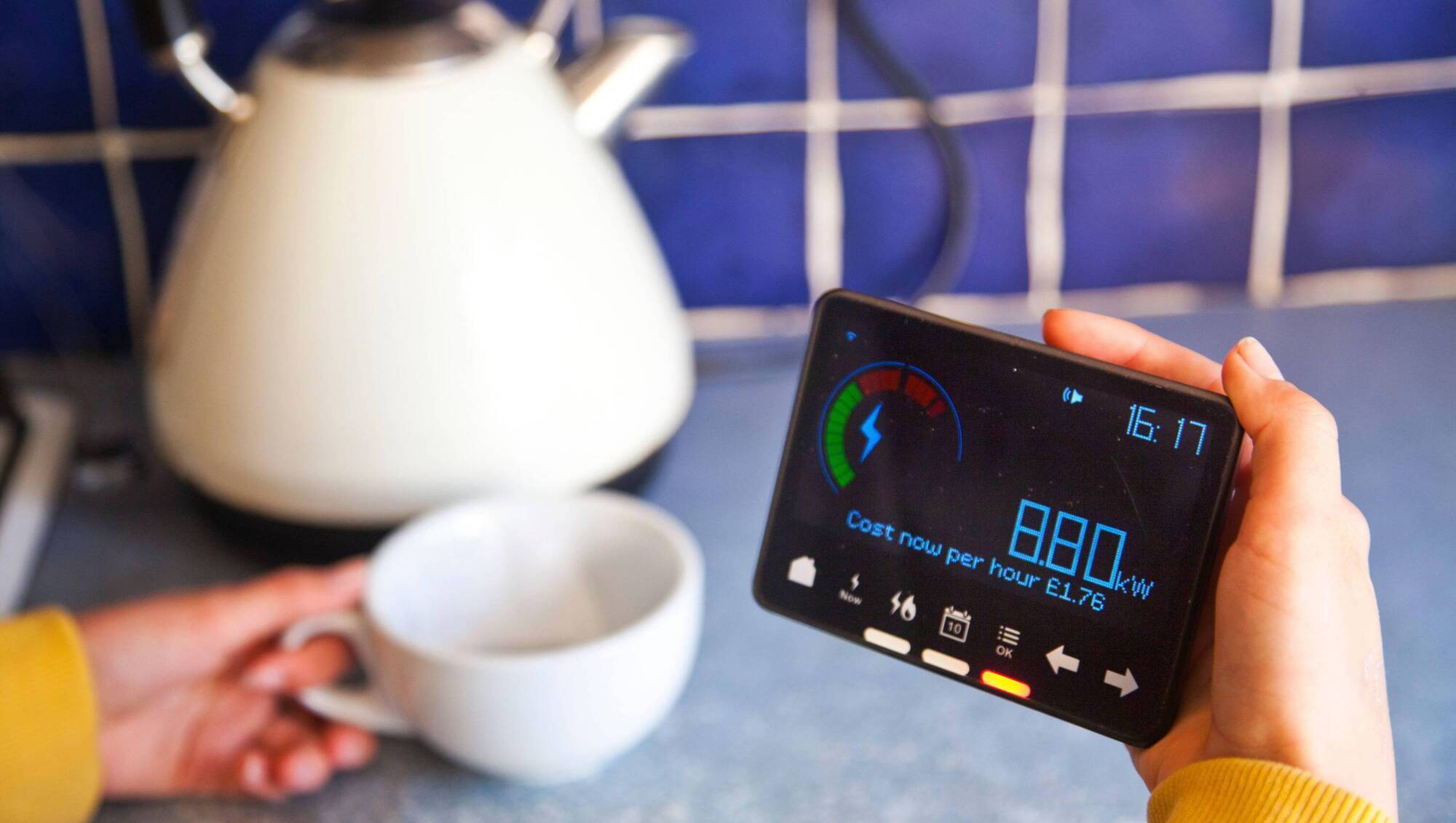
More than 1.8 million smart meters — which allow for automatic readings and the routine uploading of data from each device — have been installed across Ireland over the past six years.
Ireland’s electricity network agency has been told it risks encouraging “suspicions about surveillance” in refusing to release details of the data recorded by its smart meter network.
Privacy advocacy group Digital Rights Ireland has said a lack of transparency regarding the smart meter network will serve to increase distrust in the machines among the public after the ESB refused to release the data stored on an individual meter following a request to that effect by the Wicklow household in question.
More than 1.8 million smart meters — which allow for automatic readings and the routine uploading of data from each device — have been installed across Ireland over the past six years.
Although the broad aim of that rollout was to aid in altering power-consumption habits, little headway has been made to that effect to date.
While the installation of smart meters is not mandatory, should a household object, reversal of any installation by the ESB is not possible.
A recent freedom of information request by a Co Wicklow resident, seeking details of all of the information uploaded by his smart meter to date, was refused by the ESB, citing the risk of breaching the “network and information systems which it uses in its operations”.
In refusing the request, the ESB said it had “identified that the release of unauthorised sensitive information... into the public domain, is a security risk”.
It said the relevant data list pertaining to the individual meter could “be used to establish the design and potential vulnerabilities of the meters, which in turn could allow bad actors to compromise individual meters and/or the entire smart metering system”.
The officer who refused the request added the release of such information could “create a cyber security risk by providing public access to sensitive security information and codes” which in turn “could facilitate the commission of a crime”.
A spokesperson for ESB Networks said it is “committed” to ensuring that the smart meter rollout is “delivered in compliance with all applicable data privacy laws and that all customer personal data is safe and secure”, but added that “there is a subset of information about the meter asset and the communications network that cannot be made available”.
A spokesperson for DRI meanwhile noted that the ESB “gave no rationale for deciding that the data is actually a security risk” adding that the list of the kinds of data events recorded by the meters is already publicly available under EU law.
“Not being completely transparent about the operation of the meters only heightens suspicions about surveillance,” they said.
“If ESB Networks really need to collect this information, the least they can do is be transparent about what they are collecting and why,” the spokesperson added.