Rivers drying up at fastest rate seen in 30 years
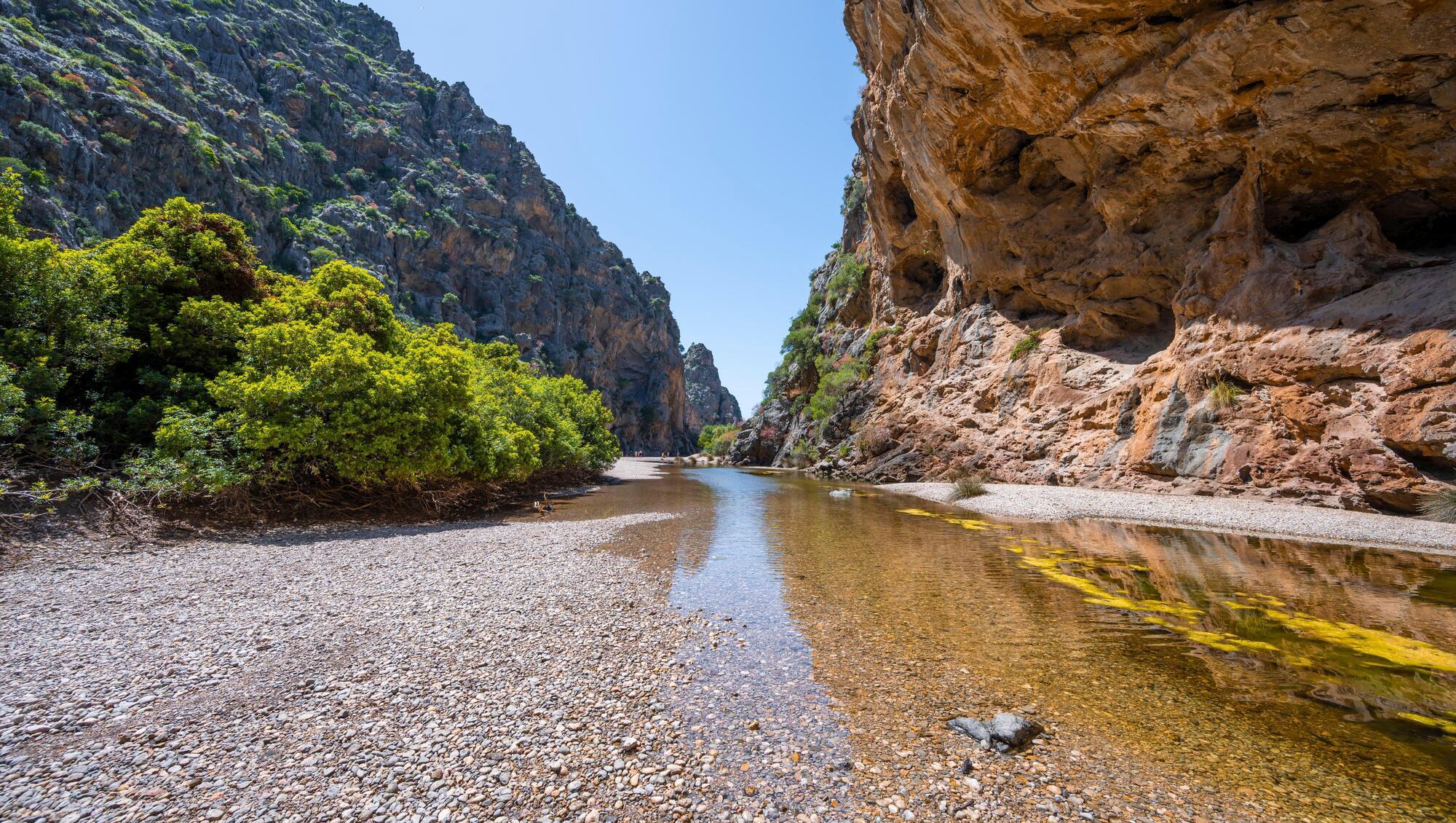
In 2023, more than 50% of global river catchment areas showed abnormal conditions, with most being in deficit. This was similar in 2022 and 2021. File Picture: AP
Over the past five years, there have been lower-than-average river levels across the globe and reservoirs have also been low, according to the World Meteorological Organisation’s (WMO) State of Global Water Resources report.
In 2023, more than 50% of global river catchment areas showed abnormal conditions, with most being in deficit. This was similar in 2022 and 2021.
Areas facing severe drought and low river discharge conditions included large territories of North, Central, and South America; for instance, the Amazon and Mississippi rivers had record low water levels.
On the other side of the globe, in Asia and Oceania, the large Ganges, Brahmaputra, and Mekong river basins experienced lower-than-normal conditions almost over the entire basin territories.
Climate breakdown appears to be changing where water goes, and helping to cause extreme floods and droughts. 2023 was the hottest year on record, with rivers running low and countries facing droughts, but it also brought devastating floods across the globe.
The extremes were also influenced, according to the WMO, by the transition from La Nina to El Nino in mid-2023.
These are naturally occurring weather patterns; El Nino refers to the above-average sea-surface temperatures that periodically develop across the east-central equatorial Pacific, while La Nina refers to the periodic cooling in those areas.
Scientists say climate breakdown is exacerbating impacts of these weather phenomena and making them difficult to predict.
Areas that faced flooding included the east coast of Africa, the North Island of New Zealand, and the Philippines.
In Britain, Ireland, Finland, and Sweden, there was above-normal discharge, which is the volume of water flowing through a river at a given point in time.
“Water is the canary in the coalmine of climate change,” said WMO secretary general Celeste Saulo.
“We receive distress signals in the form of increasingly extreme rainfall, floods and droughts which wreak a heavy toll on lives, ecosystems and economies.
“As a result of rising temperatures, the hydrological cycle has accelerated. It has also become more erratic and unpredictable, and we are facing growing problems of either too much or too little water.
“A warmer atmosphere holds more moisture which is conducive to heavy rainfall. More rapid evaporation and drying of soils worsen drought conditions.”
These extreme water conditions put supply at risk. Some 3.6bn people face inadequate access to water for at least one month a year, and this is expected to increase to more than 5bn by 2050, according to UN Water.
Glaciers also fared badly last year, losing more than 600 gigatonnes of water, the highest figure in 50 years of observations, according to the WMO’s preliminary data for September 2022 to August 2023.
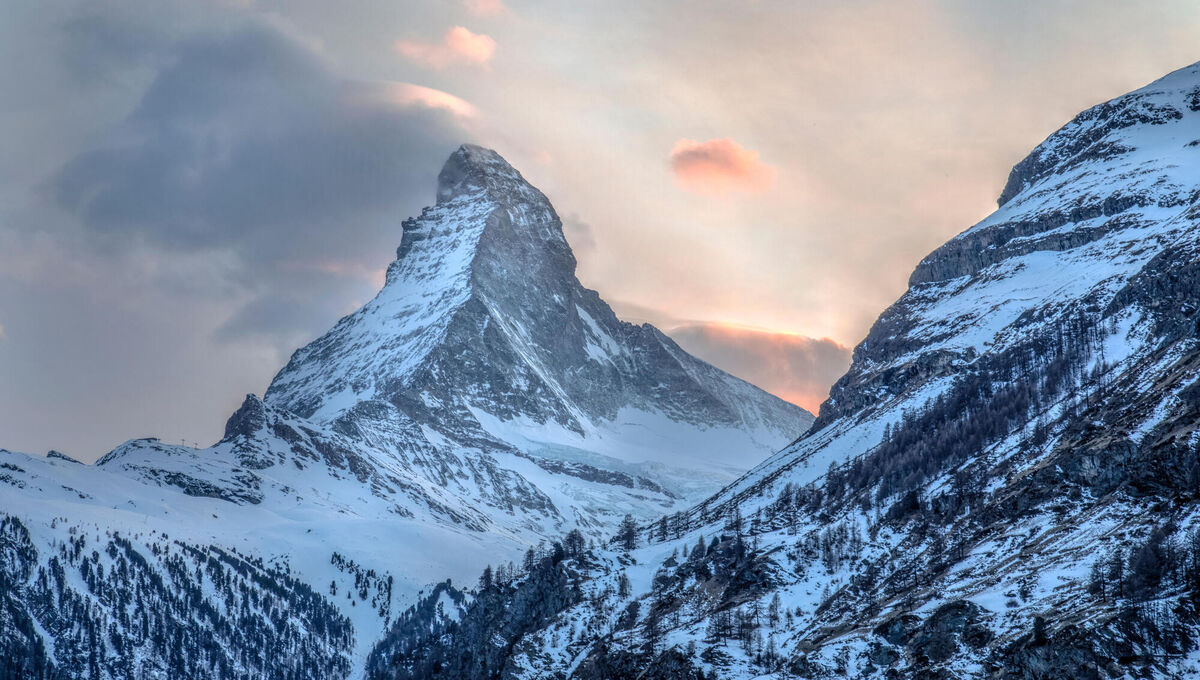
Mountains in western North America and the European Alps faced extreme melting. Switzerland’s Alps lost about 10% of their remaining volume over the past two years.
- Guardian


CLIMATE & SUSTAINABILITY HUB
CONNECT WITH US TODAY



Be the first to know the latest news and updates