More than 100k children denied school screening dental appointments
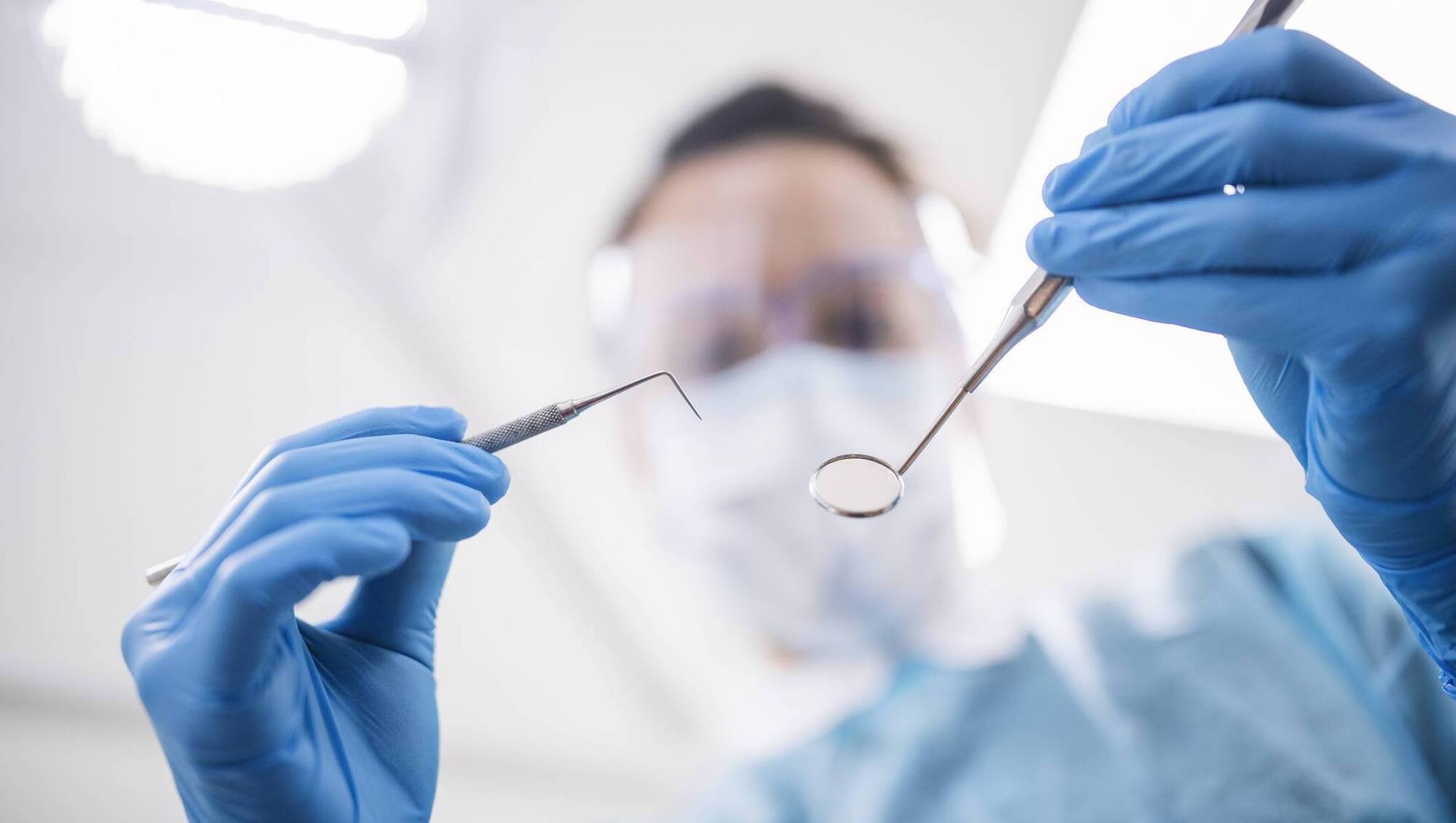
In 2019, over 151,392 schoolchildren were assessed in school screening dental appointments, compared with only 104,488 in 2023.
Over 100,000 children were denied school screening dental appointments in 2023, according to the latest figures from the Irish Dental Association (IDA).
The association is now calling for immediate additional resources as figures also show that only 50% of eligible schoolchildren were screened by dentists last year.
Since 1994, Government policy has suggested that a dentist sees primary school children in second, fourth, and sixth class.
However, despite 208,233 children being eligible for the scheme in 2023, only 104,488 were assessed by a public dentist.
The IDA believes this comes down to a shortage of public dentists which in turn creates a growing backlog in the number of children awaiting their first appointment.
According to the IDA, some children are not being seen until secondary school, if at all.
The number of children being screened annually has also decreased significantly in the past five years.
In 2019, over 151,392 schoolchildren were assessed, compared with only 104,488 in 2023.
This represents a 31% reduction in schoolchildren being screened, despite a 7.3% increase in population.
As well as that, the number of dentists working within the public service has dropped by 24% since 2006, from 330 to 251 whole-time equivalents in 2023.
The IDA says that the HSE needs 75 extra whole-time equivalent dentists to bring the IDA back to 2009 staffing levels.
CEO of the IDA Fintan Hourihan said: “The HSE has failed to deliver in its duty to provide adequate care to patients under the Health Act.
“Over 50% of schoolchildren have been denied access to dental care under this scheme, which is an increase of 31% of lost appointments since 2019.
“The Government is failing patients and public dentists through inaction. Dentists play a vital role in our communities as caregivers, ensuring dental care is provided to our most vulnerable patients.”


CONNECT WITH US TODAY



Be the first to know the latest news and updates