Ireland 'highly dependent' on foreign doctors, with 71% of new medics having trained abroad
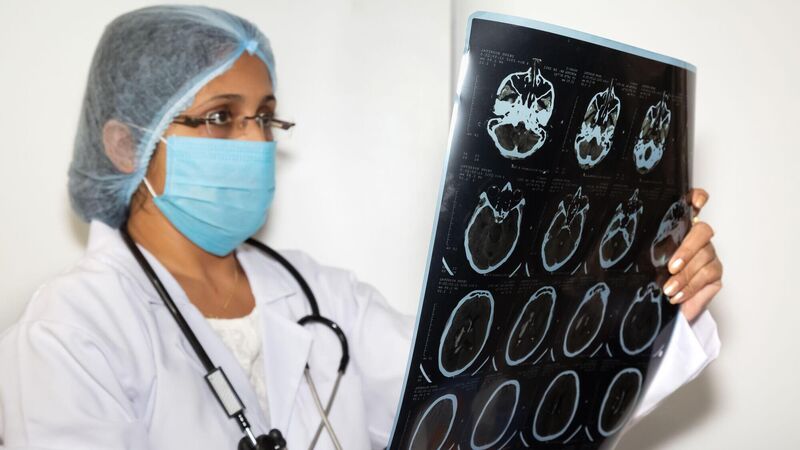
Just 28.8% of doctors newly registered in the country were trained in Ireland. Picture: File
More than 70% of new doctors who started work in Ireland in 2022 had trained abroad, with the State now “highly dependent” on foreign doctors, the Irish Medical Council’s latest workforce report shows.
The council also warned that the extremely long hours worked by doctors in training is putting patients at risk, with many doing over 48 hours weekly on average.
Just 28.8% of newly-registered doctors trained in Ireland, with the remainder (71.2%) from the UK, EU, and non-EU countries.
Most of the foreign doctors are from outside the EU, making up 53.8% of all those newly registered.
The council said Irish hospitals are over-reliant on non-consultant hospital doctors of any nationality, are there are “implications for public protection safety” in this situation.
The medical council found: “Over half of all trainee specialists reported working more than 48 hours a week. This has further serious implications for patient safety."
It also pointed to a looming retirement crisis in general practice, saying 13% of GPs are aged 65 and over.
The report shows that while 1,427 female doctors registered with the council for the first time, some 593 had left the register.
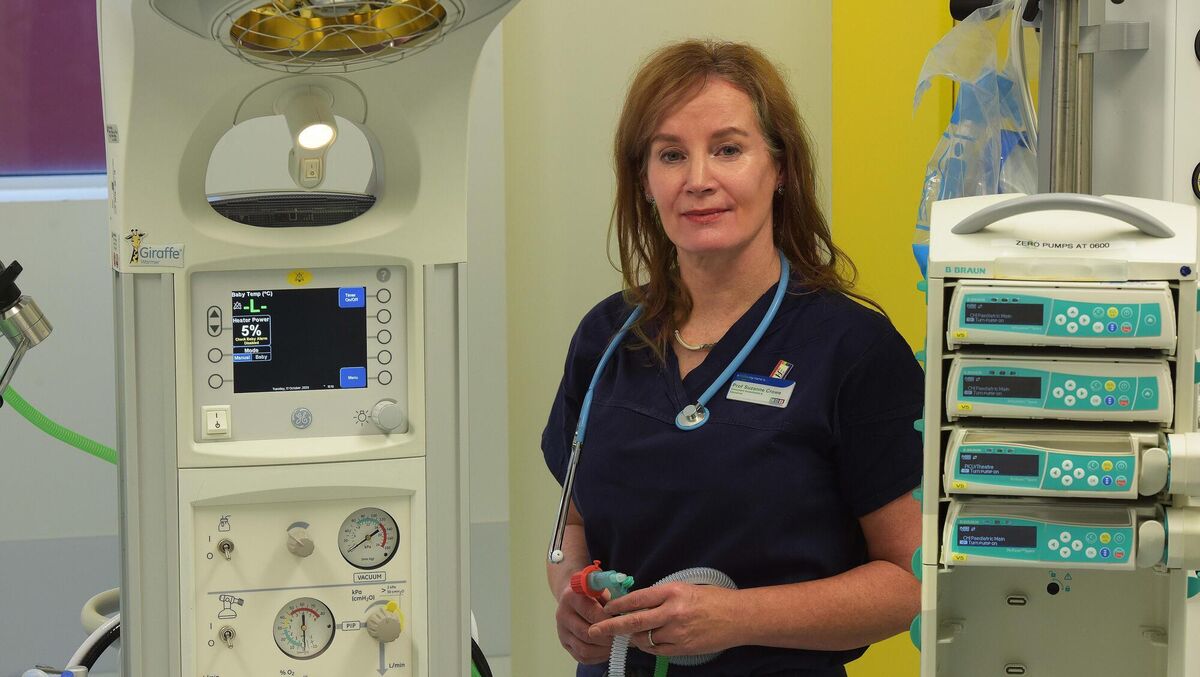
Medical Council president Dr Suzanne Crowe welcomed the “rising number of women in medicine in Ireland”.
“In 1994, women made up just 30% of the medical register,” she said. “Now, 30 years later, we are nearly at a 50/50 split male to female, with the numbers of female doctors in the younger age cohorts outpacing male doctors.”
However women “continue to face barriers when seeking leadership roles”, she said.
She called for better supports for male and female doctors. “Doctors can also fall ill or experience times of poor mental health," she said.
Overall, the report shows a 15% increase in doctors starting work in Ireland, at 3,008, up from 2,605 the year before.
Some 52.6% of these new doctors were men and 47.4% were women. Among newly-registered doctors aged 24 or younger, 55% are women.
The report shows 18, 839 doctors renewed their registration and were active in their profession.
Separately, a top oncologist has warned that cancer patients with health insurance can access cutting-edge medication in private hospitals soon after new products are approved but public patients face long delays.
Michael McCarthy, an oncologist at University Hospital Galway, said: “For most of my career there has been effectively no difference in terms of accessing these drugs whether you have insurance or not.
“I only work in the HSE; I don’t have private practice so whether someone had insurance or not never crossed my mind. I never asked a patient [this] previously, but now, given the disparity in access, it’s one of the first questions I ask for increasing cohorts of my patients.”
Medications approved by the European Medicines Agency can be swiftly accessed by private hospitals, he said.
He is now increasingly referring patients to the private sector so they can access these high-cost drugs.
The impact of these drugs for certain cancers will vary from person to person, he said, but he accepts a value analysis is needed for extremely expensive medications.
However, he said for “an increasing number of cancer types, I know the only thing I can offer them [public patients] is a second-best type of cancer treatment".
He told the Irish Pharmaceutical Healthcare Association conference that this is happening in hospitals around Ireland.
Dr Katarzyna Whysal, mother of a little girl whose rare condition is shared by only 10 people in the world, also addressed the event.
She called on pharmaceutical companies and governments to work together to develop new treatments, even when there is little money to be made.


CONNECT WITH US TODAY



Be the first to know the latest news and updates