RTÉ and Revenue at odds over workers being classified as self-employed contractors
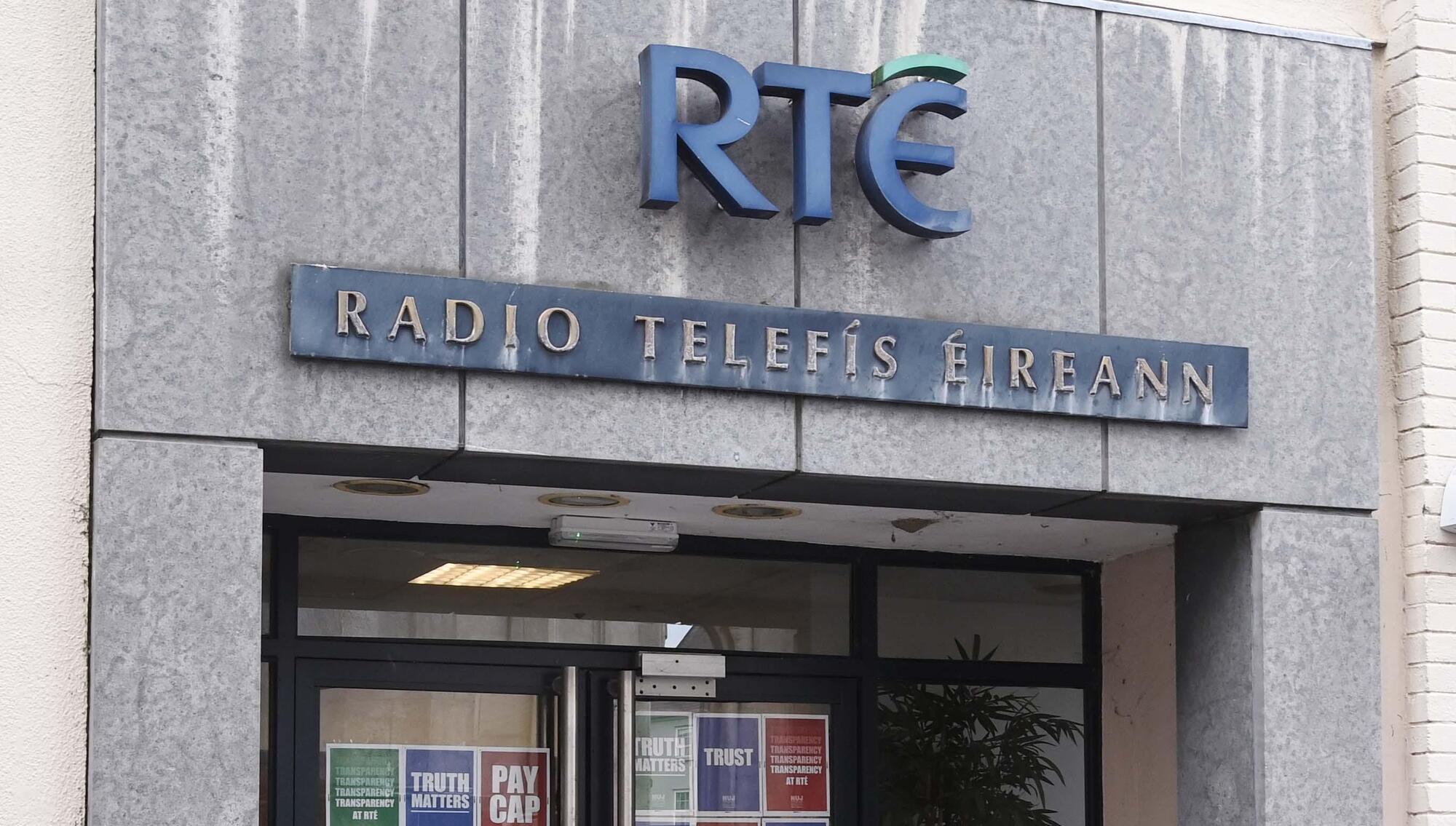
Revenue has stated that it is not its responsibility to 'validate individual contracts offered by RTÉ.
RTÉ and the Revenue Commissioners are at odds as to how historic workers at the broadcaster were classified as self-employed contractors.
Revenue has stated that it is not its responsibility to “validate” individual contracts offered by employers to employees.
In offering self-employed contracts to people in the early 2000s, RTÉ had stated that prospective employees could only be treated as independent contractors, or “validated”, “on the production of satisfactory evidence from the Revenue Commissioners” that the person in question “is subject to self-assessment for taxation purposes”.
Many such workers, who are now described as having been bogus self-employed, subsequently worked for several years doing the same work as full-time employees of the broadcaster.
This is despite receiving none of the benefits and entitlements, such as holiday pay and pension contributions, afforded to standard PAYE workers.
However, in response to a recent query from Sinn Féin TD Mairead Farrell, Revenue said that such “validation” is not a service that it performs.
It said that allocating an “appropriate” contract to an employee at the time a job is being offered is “the responsibility of the employer”.
“Where an employer engages an individual on the basis of an employment contract, it is the responsibility of the employer to ensure that all payments made to the individual are processed through the payroll system with PAYE, PRSI and USC deducted from the payments and remitted to Revenue,” it said.
Revenue said that if a worker is deemed to be self-employed, it is their responsibility to file their own tax returns.
An RTÉ spokesperson said that “Revenue evidence is only valid for independent contracts (non-employees) where contractors are not VAT-registered".
The spokesperson said that in the early 2000s, RTÉ contracts would have noted that Revenue required sole traders making more than €37,500 per year to “register and account for Vat”, with RTÉ thus having required “official documentary evidence” of self-assessment before offering a freelance contract to someone.
“This revenue evidence is verified within RTÉ by our Finance Department in line with Revenue requirements,” the spokesperson said.
RTÉ is currently the subject of an ongoing audit by the Department of Social Protection’s employment status unit of 695 of its current and past employees with a view to ascertaining whether or not they had been bogus self-employed or not.
Many of those who have since been told that they should have been designated as employees rather than contractors had in fact paid PAYE at source rather than filing their own returns.
In terms of the ‘validation’ of those individual contracts by Revenue, RTÉ is understood at the time to have taken the allocation of a Vat number to the individuals concerned as comprising such validation.
The broadcaster is expected to face a multi-million euro liability regarding the issue of historic bogus self employment on foot of the Department of Social Protection’s audit, although the precise scale of that payment is the subject of debate.
Last October, director general of RTÉ Kevin Bakhurst stated the liability would be no greater than €20m. However, at his most recent appearance before the Oireachtas Media Committee earlier this month, Mr Bakhurst indicated that €15m had been set aside as a contingency for the audit’s final findings.
Three people within RTÉ’s human resources department are currently working exclusively on the historic bogus self-employment project, with Mr Bakhurst previously saying that commitment represents “a huge amount of resources”.
CONNECT WITH US TODAY



Be the first to know the latest news and updates