Government cannot keep ‘plugging the hole’ in RTÉ funding, says media minister
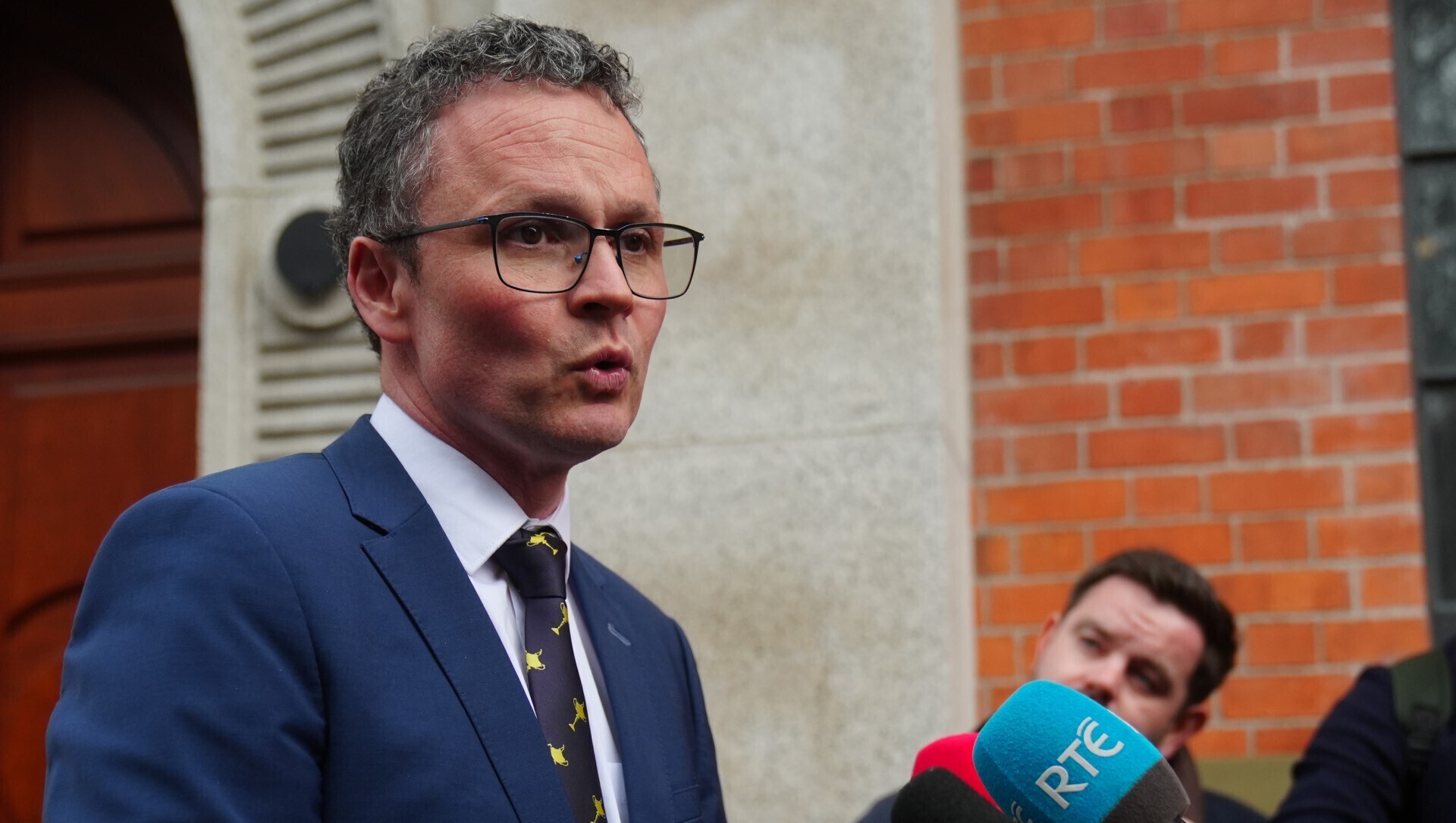
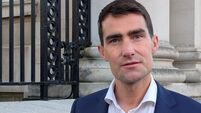
Media minister Patrick O’Donovan said difficult decisions lie ahead over the future funding and structure of RTÉ
Government cannot keep ‘plugging the hole’ in RTÉ funding, says media minister

Communications and sport minister Patrick O'Donovan speaks to the media in Dublin. Picture: Brian Lawless/PA Wire

The Government will have to hold “difficult conversations” about the future funding of RTÉ because it cannot continue “plugging the hole”, the media minister has said.

Raising the prospect of RTÉ becoming “entirely a public body, like the BBC”, Patrick O’Donovan told the Oireachtas media committee that the current ring-fenced funding model will not continue beyond 2027.


He also expressed confidence in director general Kevin Bakhurst and chair Terence O’Rourke, saying they had inherited a “bag of you know what”.

Licence fee revenues fell by more than €58m in the two years following a number of scandals at the national broadcaster in 2023.

Former media minister Catherine Martin previously announced that RTÉ would receive €725m across 2025, 2026, and 2027. Under the arrangement, the Government would supplement licence fee revenue up to a set amount each year.

At the committee meeting, Mr O’Donovan confirmed to Fine Gael TD Brian Brennan that the current funding arrangement would not be renewed.

“We’re going to have to have some very difficult conversations in Government with regard to the future public service broadcast,” he said.

“We have proposals from An Post... with regard to the collection of the licence fee, but  we've lost a huge amount of revenue with regard to the license fee.

“There's some very difficult questions in that have to be asked with regard to the future plugging of the hole. Can the hole be plugged secula seculorum (forever) by the Government? I don't think so.

“Does it become entirely a public body, like the BBC or something like that? That's a huge policy question that will have to be asked at some stage in the future, unless the organisation is able to grow your own commercial revenue.”

Mr O’Donovan said attracting larger audiences would require presenters who can “attract big numbers”.

The minister also expressed confidence in RTÉ leadership, including Mr Bakhurst, Mr O’Rourke, and the RTÉ board, “on the basis that they inherited a bag of you know what, and they have had to try and untangle that and put this thing back together”.

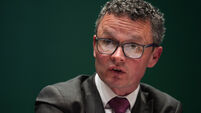
Elsewhere, both Mr O’Donovan and junior sports minister Charlie McConalogue confirmed to Fianna Fáil TD Pádraig O’Sullivan that they would not attend the Republic of Ireland’s match against Israel at the Aviva Stadium in October.

Mr O'Donovan also said RTÉ had “made no approach to the department” regarding coverage of the match, adding that he would not — and could not — tell the national broadcaster what to air.

Mr McConalogue told Social Democrats TD Sinéad Gibney that he did not believe Israel’s participation in the Nations League amounted to “sportswashing”.

“We have made clear that the decision in relation to playing the match is one for the FAI,” he said.

“Uefa have made their decision. The FAI have to work within that. It's a matter for them to decide upon.”

Mr McConalogue said it was a “very different situation to what pertained in Russia”, noting that EU sanctions had been imposed on Russia and that Uefa excluded Russian teams from competitions.

More in this section

Politics

Newsletter

From the corridors of power to your inbox ... sign up for your essential weekly political briefing.

Cookie Policy Privacy Policy Brand Safety FAQ Help Contact Us Terms and Conditions

© Examiner Echo Group Limited