Recruitment of gardaí needs to 'significantly increase', says justice committee
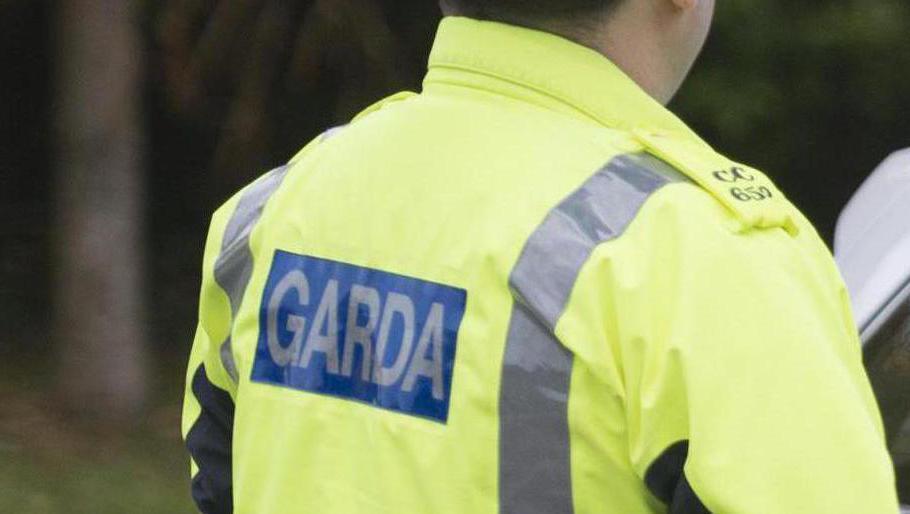
In its recommendations, the committee emphasised the need to increase the recruitment of gardaí, to increase the number of members policing Dublin city centre, and to expand the number of community gardaí. Picture: Dan Linehan
Recruitment of new gardaí needs to “significantly increase” to improve the visibility of police in Dublin city centre and other urban areas, the Oireachtas justice committee has said.
In a report, the committee said the conditions for gardaí “must be improved” and that this should include an independent pay review body, a ‘long-serving’ pay increase, as well as measures to deal with pension inequalities, insufficient in-person training, and “excessive” oversight.
The was one of two reports published by the committee, the second concerning its pre-legislative scrutiny of a bill allowing for the use of facial recognition technology (FRT).
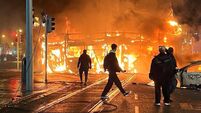
The first report also examined the Garda response to the Dublin riots last November and the monitoring of far-right groups.
In its recommendations, the committee emphasised the need to increase the recruitment of gardaí, to increase the number of members policing Dublin city centre, and to expand the number of community gardaí.
The committee said it was clear there were “several significant issues” affecting the retention and recruitment of gardaí, including issues relating to pay, pensions, rostering, and training.
“It was acknowledged that the conditions for gardaí must be improved, as the need to significantly increase the recruitment levels of gardaí to ensure high visibility of gardaí within towns and in Dublin city centre was recognised as one of the central factors in decreasing anti-social behaviour and crime," the report said.
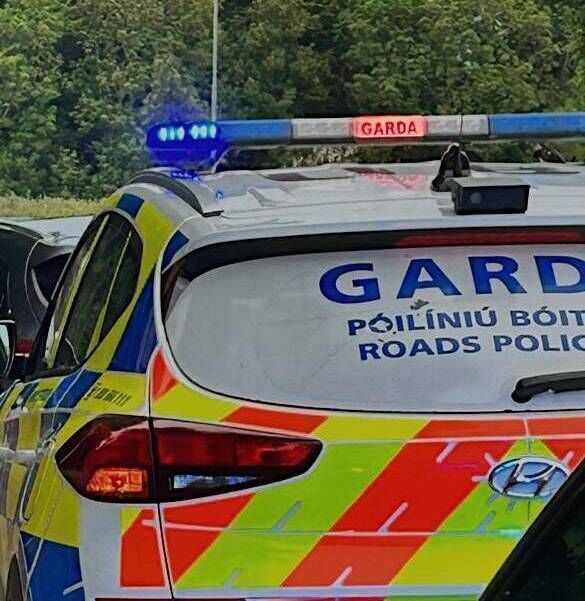
The report said that witnesses to the committee stressed there was a “severe crisis” in retaining members and said that gardaí continuing to work were being put under greater pressure as a result.
Witnesses told the committee that particular members in city centre stations can be “under immense pressure and face burnout” due to the demands of policing in the city.
The report noted that some witnesses claimed that a group of around 20 or 25 offenders were committing a significant number of crimes within Dublin city centre but who “continue to be released on bail” and continue to commit crimes.
The committee recommended that the laws on bail should be re-examined, and that the monitoring of far-right groups and their activities be given “greater priority”.
The report said that while the committee was told there were sufficient gardaí in intelligence operations for its current workload, Garda HQ “wishes to expand the number of staff in future”.
The committee recommended that the creation, under the new Garda Operating Policing Model, of ‘three county divisions’ — Mayo, Roscommon and Longford as well as Louth, Cavan, and Monaghan — be revised and that Mayo and Louth be designated as separate districts.
The report also recommended that a “pursuit policy” be developed for gardaí and that the powers available to gardaí in such pursuits should be clarified and placed on a statutory footing, if necessary.
In the second report, on its scrutiny of the General Scheme of the Garda Síochána (Recording Devices) (Amendment) Bill 2023, the committee said clarity was required on the “intended use of FRT”.
It said that both the Garda Commissioner and the Department of Justice must “urgently clarify” details of the database of footage and images gardaí will use the FRT on.
It said the justice minister needs to address “ongoing concern” regarding both the accuracy and discrimination concerning FRT.
The report recommends that Garda HQ conduct a range of impact assessments and internal audits on this system.
It urges the establishment of an external authority or a judge — not a senior garda, as currently stands — to approve the use of biometric data.
The committee further recommends that an independent judge-led review be provided in the bill to allow for periodic inspections.
It was "exceedingly difficult" for gardaí to manually filter through footage, given the sheer scale that must be processed in investigations, it was told.


CONNECT WITH US TODAY



Be the first to know the latest news and updates