Out-of-control satellite to hurtle into Earth's atmosphere
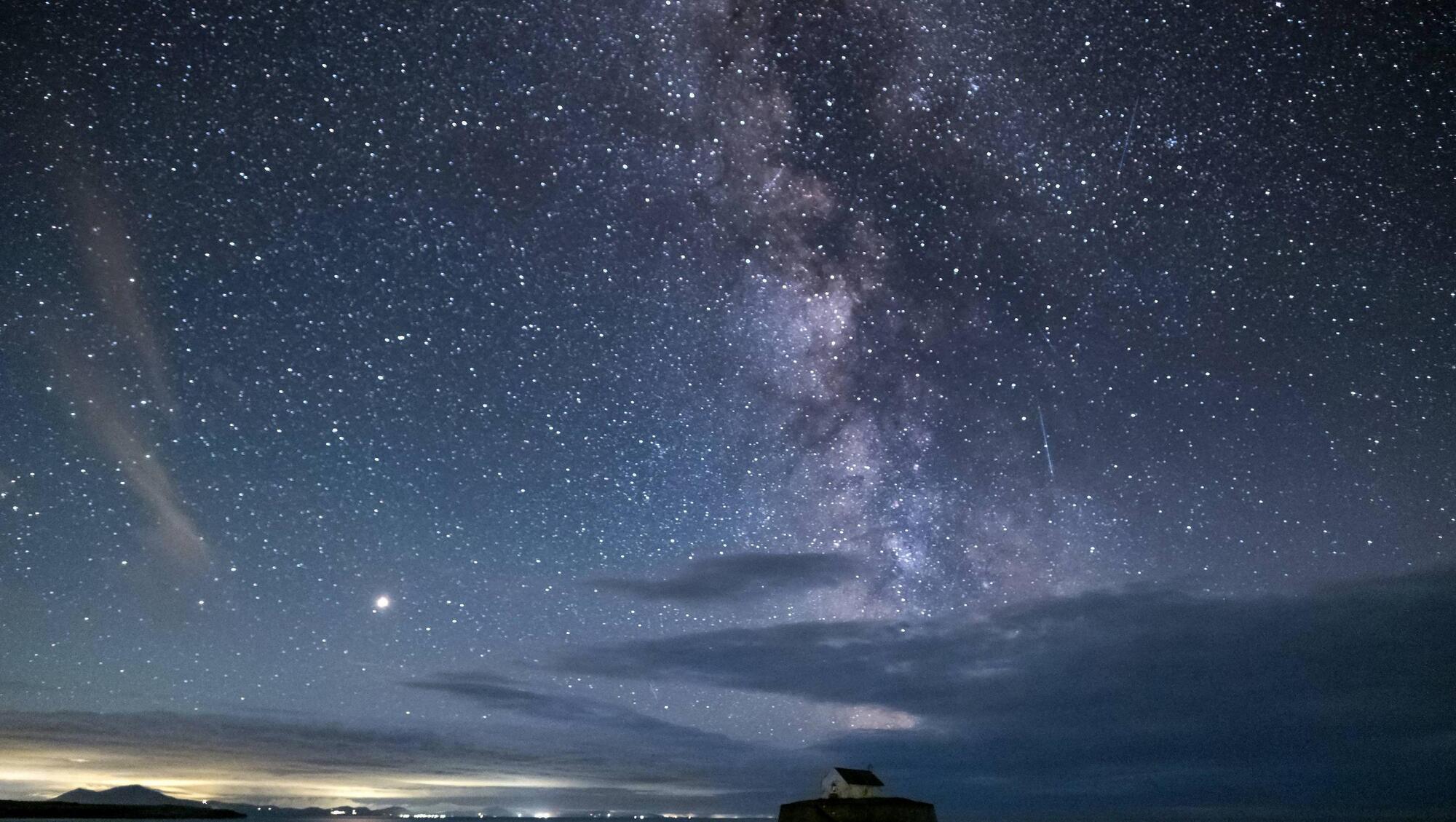
The satellite is expected to break into pieces and burn up because the temperature on re-entry could reach 4000C.
An out-of-control satellite is expected to hurtle into Earth's atmosphere on Wednesday, according to the European Space Agency (ESA).
The ERS-2, which was launched on April 21, 1995, is likely to break into pieces upon re-entry and burn up.
Scientists say it is impossible to accurately predict where and when this will happen, but the head of Blackrock Castle Observatory, Niall Smith, says the exact location will become "increasingly well-known as we get closer to its fiery end".
The ERS-2 is a large satellite, which weighs about 3 tonnes.
It was launched from Kourou in French Guiana in 1995 on an ESA Arian-4 rocket.
It was an earth observation satellite that observed land masses, oceans, rivers, vegetation, and the polar regions using visible light and ultraviolet sensors.
The mission was on hand for several natural disasters, including the flood of the Elbe River across Germany in 2006.
The ERS-2 ceased its observations of the earth in 2011 and was decommissioned as its instruments became too old and obsolete.
"Since then, it has been effectively dead," said Mr Smith.

The ESA has made "strenuous efforts to minimise the dangers" from its re-entry to Earth.
"They emptied the fuel tanks some years ago as the fuel would have caused an explosion on re-entry and scattered debris over a large area.
"But by emptying the fuel tanks, it hasn’t been possible to control the de-orbit, meaning it hasn’t been possible to burn the satellite up over a large expanse of sea, which would be usual," he explained.
The satellite is expected to break into pieces and burn up because the temperature on re-entry could reach 4000C.
This will melt part of the spacecraft, which will then start to disintegrate.
"Super hot gases will get into the nooks and crannies of the spacecraft and force it apart.
"Unlike manned spacecraft, which are designed to withstand the 4000C temperatures, the ERS-2 was never designed to withstand such temperatures," Mr Smith said.
The chances of being hit by a piece of debris are minuscule, he said.
"Estimates for ERS-2 suggest that one would be 65,000 times more likely to be hit by lightning than a piece of the satellite, and given the track of ERS-2 is not over Ireland, the chances are even lower for us," he said.