Revenue: Supreme Court ruling on bogus self-employment 'doesn't change the law'
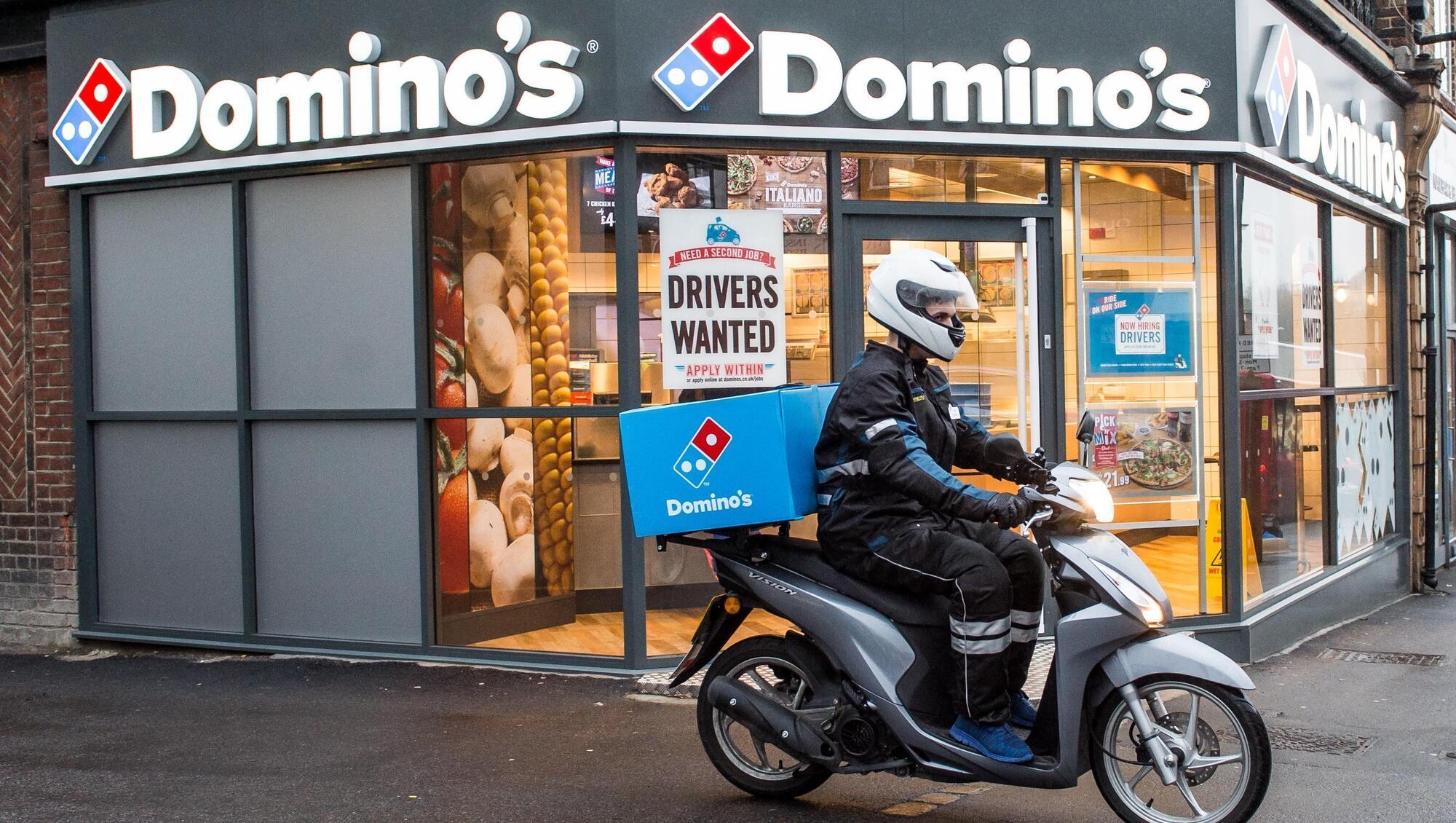
The Supreme Court declared that pizza delivery drivers must be treated as employees. Picture: Alan Hamilton
The head of the Revenue Commissioners has said that a landmark Supreme Court judgment regarding bogus self-employment “doesn’t change the law”.
Niall Cody told the Public Accounts Committee that the Karshan judgment, handed down by the Supreme Court last October, “in a way doesn’t change the law, but it definitely does change the interpretation in certain circumstances”.
Karshan, otherwise known as the Domino’s Pizza case, dates from last October and saw the court declare that pizza delivery drivers must be treated as employees rather than self-employed contractors.
That case had been taken by Revenue against Karshan, leading to accusations of a different set of interpretations of employment status being used by the Department of Social Protection, which determines that status, and Revenue itself.
Bogus self-employment is the practice where a worker who is doing the same work as a full employee of a company or agency is nevertheless classified as self-employed, thus not receiving the same statutory social insurance contributions and holiday benefits that PAYE workers receive.

Mr Cody denied that Revenue had been content to treat couriers as self-employed prior to Karshan.
Mr Cody said he would be writing to the accounting officers of all the State’s departments and agencies to recommend they “review the treatment” of people working under them.
Asked by Sinn Féin’s John Brady if the judgment had inspired Revenue to try and tally what bogus self-employment is costing the Exchequer, Mr Cody replied that “to put a figure on the potential loss is practically impossible”.
He said, however, that an assertion by the Irish Congress of Trade Unions that bogus self-employment is costing the State hundreds of millions of euro “doesn’t hold up” based on Revenue’s own “visits” and “examinations”.
He declined to accept that bogus self-employment constitutes fraud. “Non-compliance with the law is an offence,” he said. “The problem with fraud is there are tests.”
When asked how the status of home tutors, paid by the Department of Education as PAYE workers but classified as self-employed, is not being reappraised after Karshan, Mr Cody said: “I’m not going to challenge any other bodies about how they classify, about how they do their job."

CONNECT WITH US TODAY



Be the first to know the latest news and updates