'Someone has the power to change our story': Families appeal for more people to become organ donors
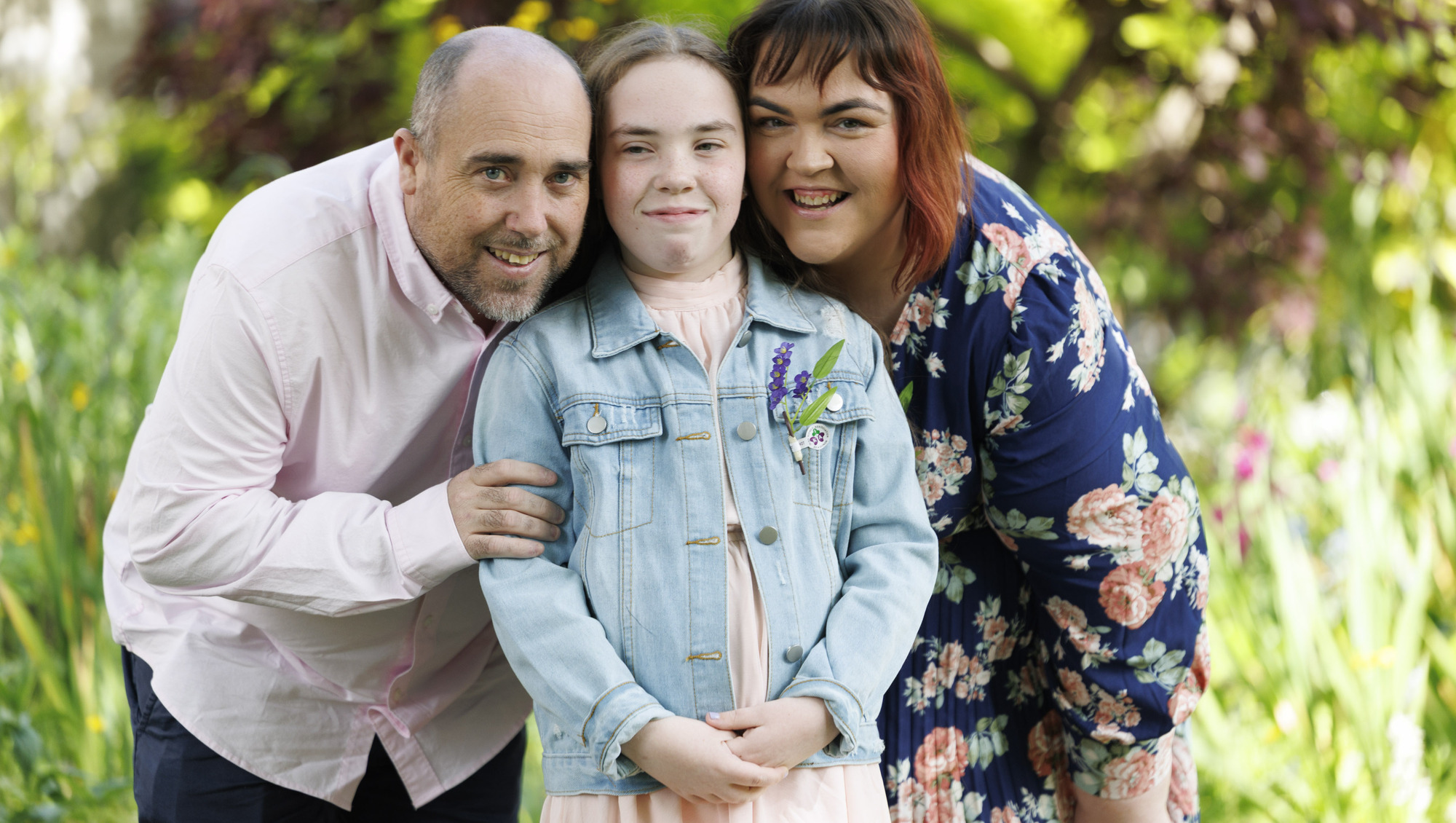
Stella McDonagh with her husband Garry Davis and daughter Saoirse (11) from Liscannor, Co Clare, at the national launch of Organ Donor Awareness Week 2026 at the Mansion House, Dublin. Pictures: Andres Poveda
The mother of an 11-year-old Clare girl who travels four times weekly to Dublin for renal dialysis has called on more people to become organ donors.

Her call was echoed by a 47-year-old Cork father of two, who is only alive because of an “incredible” heart donation.
Last year saw the lowest number of organ transplants in five years — at just 202. That is despite the introduction of new legislation supporting donations.
It is “well below” pre-pandemic averages, the Irish Kidney Association warned on Wednesday.
In Liscannor, Stella McDonagh’s daughter Saoirse McDonagh Davis has a rare genetic disease, Alport Syndrome.
“We go to Temple Street [hospital] Mondays, Wednesdays, Fridays and Saturdays,” she said.
“I get her up at 3.30am and the HSE taxi collects us at 4am. Then it’s 3.5 or four hours up the road. So she’s generally in Temple Street for about 7.30am and she’s on the machine then for four hours.”
Saoirse is on a transplant list. She said of the Dublin trips: “I hate it. It’s not the nurses’ fault, it’s so hard.”
She added: “I’m strong like Daddy.”

Her father Gary Davis, 39, was recently placed on a transplant list after a second kidney transplant did not succeed.
In the meantime, he needs dialysis three times weekly at University Hospital Limerick. Stella said: “Most days Gary and Saoirse don’t even see each other.
“We pass in the car, a wave through the window. A second, that’s all they get. And then they’re gone again, travelling in different directions.
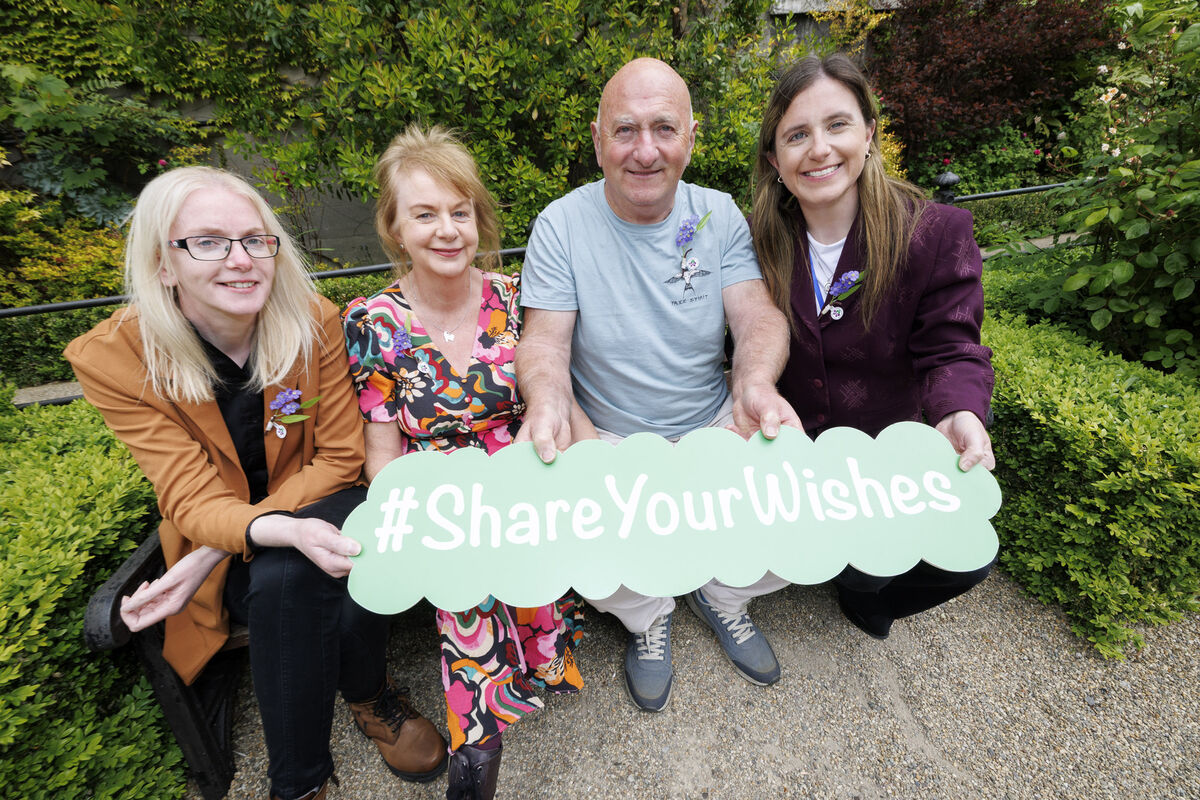
They were in Dublin supporting the launch of Organ Donor Awareness Week.

Stephen Comerford’s brother Gary collapsed and died on the pitch while playing soccer in Cork in 1996.
The family later learned the teenager had the heart condition hypertrophic cardiomyopathy.
“He’s with us every day,” Stephen said.
When the family were screened, he was found to be “thankfully” the only one with a related condition.
“I’d been living a relatively normal life for the best part of 30 years until last year when the words ‘end stage heart failure’ were mentioned to us at CUH [Cork University Hospital],” he said.
His wife Karen said this was a “scary time”, including for their teens Sophie and Stephen, all living in Carrigtwohill.
After the transplant last summer at the Mater University Hospital, he said: “I’ve a brand new heart and I’m thriving. It’s a new lease of life, a second chance.”
He does not know the donor’s name but said: “I think about the donor every day and especially today. And the donor’s family with the impact their decision made for us and our family is enormous, it’s incredible.
Despite these life-changing impacts, HSE chief clinical officer Dr Colm Henry said: “We need to do more. We’re lagging behind other European countries and we’re lagging behind Northern Ireland.

“That’s on the same island but it’s way ahead in terms of numbers for transplantations.”
The numbers are “disappointing” for Irish Kidney Association chief executive Carol Moore, with more than 650 people on transplant lists currently.
Last year saw 111 kidney transplants from deceased donors, compared to 128 annually before the pandemic.
Liver transplants dropped to 33 from 61, lung transplants to 15 from 35 and heart transplants to nine from 16. There were five pancreas transplants, up from two usually.
Health minister Jennifer Carroll MacNeill described Saoirse as “the bravest person at the event”. She echoed the calls for people to consider organ donation.