Stardust inquests hear carpet tiles on the walls enabled fire to spread quickly
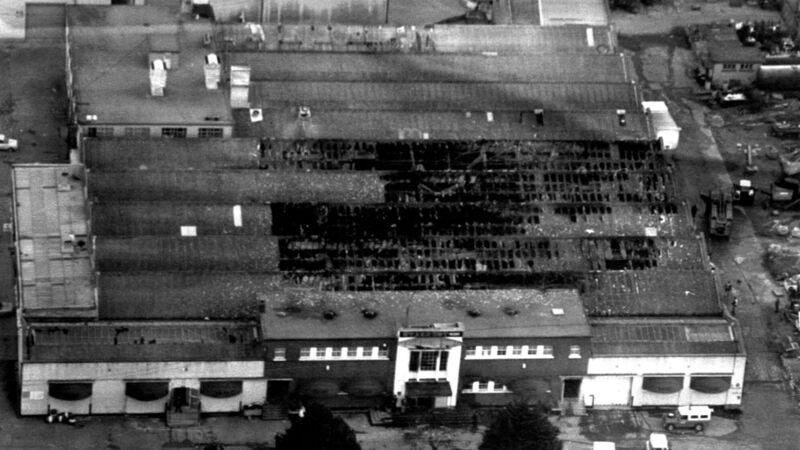
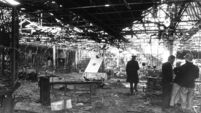
The inquest has already heard evidence that the fire was first spotted on some seats in a tiered seating area of the north Dublin venue in the early hours before it then reached the walls and rapidly spread throughout the ballroom, witnesses have said. File photo: PA
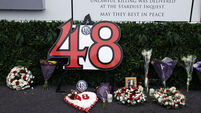
The fire in the Stardust club which spread quickly and resulted in the deaths of 48 people would have spread “much slower” if it hadn’t interacted with the carpet tiles used on the walls, fresh inquests have heard.
Giving evidence for a third day, Dr Will Hutchinson from fire engineering consultancy Jensen Hughes said that the carpet tiles were made of polyester which “essentially will burn readily once ignited” and can produce “large amounts of black smoke”, as was seen on the night of the fire in February 1981.
“If you set fire to that one [seating] unit, it would develop slowly without spreading much further,” he said. “It needed the interaction with the burning carpet tiles to get this spontaneous ignition to spread.”
The inquest has already heard evidence that the fire was first spotted on some seats in a tiered seating area of the north Dublin venue in the early hours of February 14, 1981. It then reached the walls and rapidly spread throughout the ballroom, witnesses have said.
Furthermore, the inquests have heard that the carpet tiles used on the walls of the Stardust had a class 3 or class 4 "surface spread of flame rating”, rather than a Class 1 rating as specified by the chief fire officer at Dublin Corporation at the time the building was being converted.
Previous inquiries have found the use of these tiles contributed substantially to the rapid spread of the fire.
Dr Hutchinson, a fire expert with over 20 years’ experience, began fielding questions on Wednesday after giving presentation on his findings on the outbreak of the fire, its cause and spread, to the jury earlier this week.
Dr Hutchinson previously said that he couldn’t definitively determine the area in which the fire started but narrowed it down to two possibilities — the hot press in the main bar of the Stardust and the tiered, cordoned-off seating area known as the west alcove where the fire was first spotted.
On Wednesday, he fielded questions on his findings from Mark Tottenham BL, part of the coroner’s legal team.
Mr Tottenham put it to Dr Hutchinson that it was “certainly a reasonable possibility” that the fire started atop an immersion heater in the hot press, to which he replied: “I believe it’s a possibility, yes.” He said he had seen examples of “resistive heating faults” on other immersion heaters and it’s “not uncommon”.
He said it was also possible that the fire originated in the hot press and then spread to the adjacent west alcove where it was first spotted by witnesses in the Stardust on the night.
Also contributing to the spread of the blaze was the “intense heat” from the polyurethane foam used in the seats of the Stardust, as well as the “low ceiling” and “burning droplets” which appeared to start further smaller fires in the venue.
Coroner Dr Myra Cullinane asked the expert which was the more likely scenario, that the fire had started in the hot press or in the west alcove, to which Dr Hutchinson said that both were “equally possible”.
On Thursday, Dr Hutchinson will face further questions from the legal teams representing the families of victims of the Stardust fire, who have retained their own fire experts to give their view at the inquests.
CONNECT WITH US TODAY



Be the first to know the latest news and updates