Indian nurses in Cork face 'severe' housing challenges
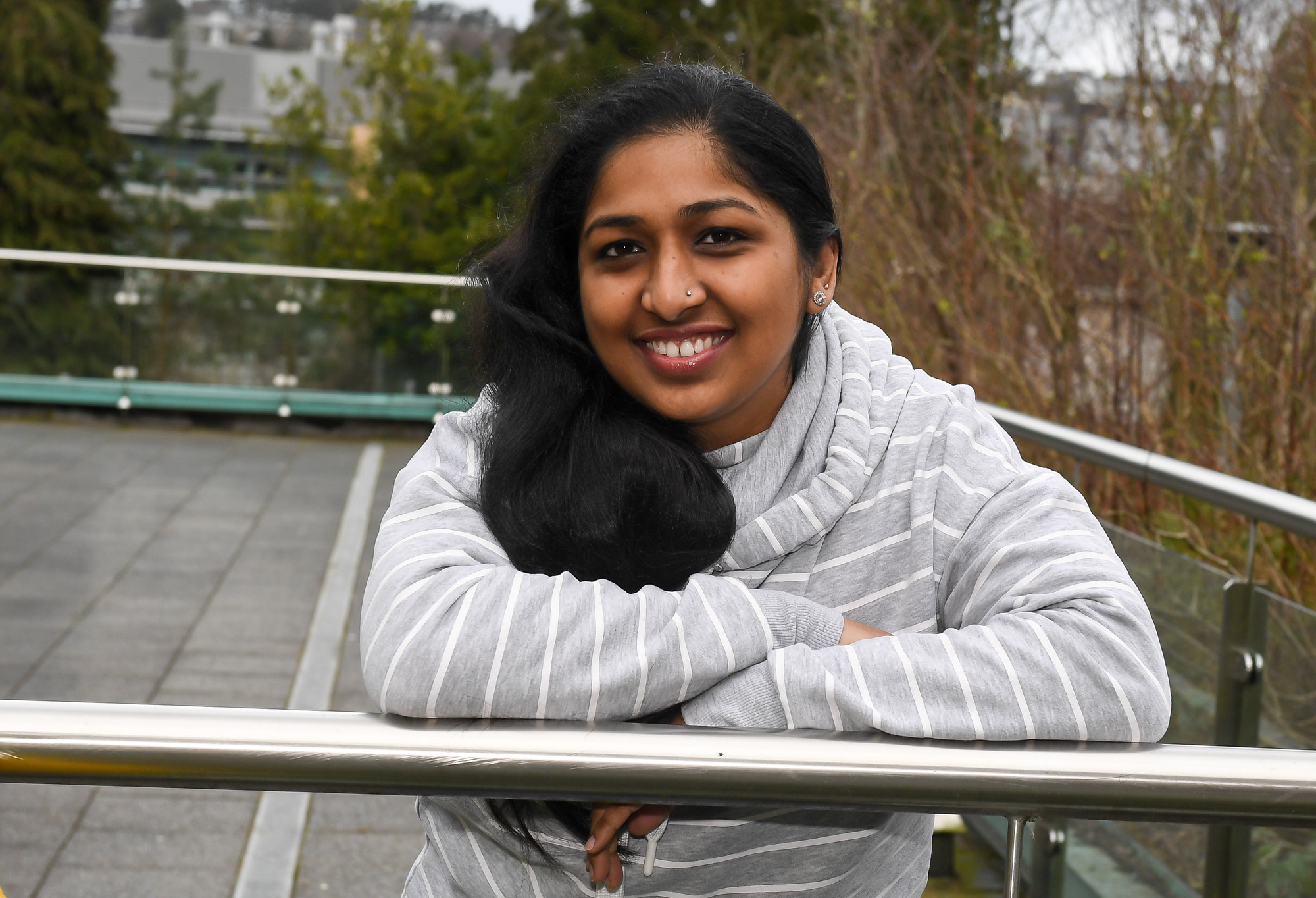
Janet Baby Joseph, an Indian midwife at Cork University Maternity Hospital, describes Ireland as her second home.
Indian nurses working in Cork hospitals face severe housing challenges with some living in houses so damp children are frequently ill, an Irish Nurses and Midwives Organisation conference heard.
The conference, marking 20 years of the union’s section for internationally-trained nurses and midwives, heard many success stories but also focused on challenges for public and private health workers.
Between June 2022 and May this year most new nurses in Ireland came from outside the EU at 4,542 compared to 1,584 Irish nurses and 131 from other EU countries.
Janet Baby Joseph, an Indian midwife at Cork University Maternity Hospital, described Ireland as her second home.
Co-founder of Cork Organisation of Indian Nurses, she said: “We have three WhatsApp groups, which include more than 900 nurses working in Cork.
“Every single morning there will be at least ten to 12 messages from people looking for housing, just within Cork.”
She welcomed government plans for housing, but said: “I’d say in Cork University Hospital alone in a month you would get 25 nurses coming. Just calculate the number coming to all hospitals.”
She acknowledged the crisis affects everyone, but said landlords sometimes assume migrant workers are not aware of standards.
“There are so many people still living in damp houses, with small kids going to the GP every single week with respiratory problems,” she said, referring to her friends and colleagues.
“They can’t leave the damp house because there is no other house to go to. There are places where the toilets are leaking, the roof is broken and if you complain to the owner, they will say ‘you can stay or leave’. There is no choice.”
Nurses and midwives in the audience, working all over Ireland, were vocal in support.
The conference also heard discussion of whether hospitals should provide housing at least temporarily for new staff.
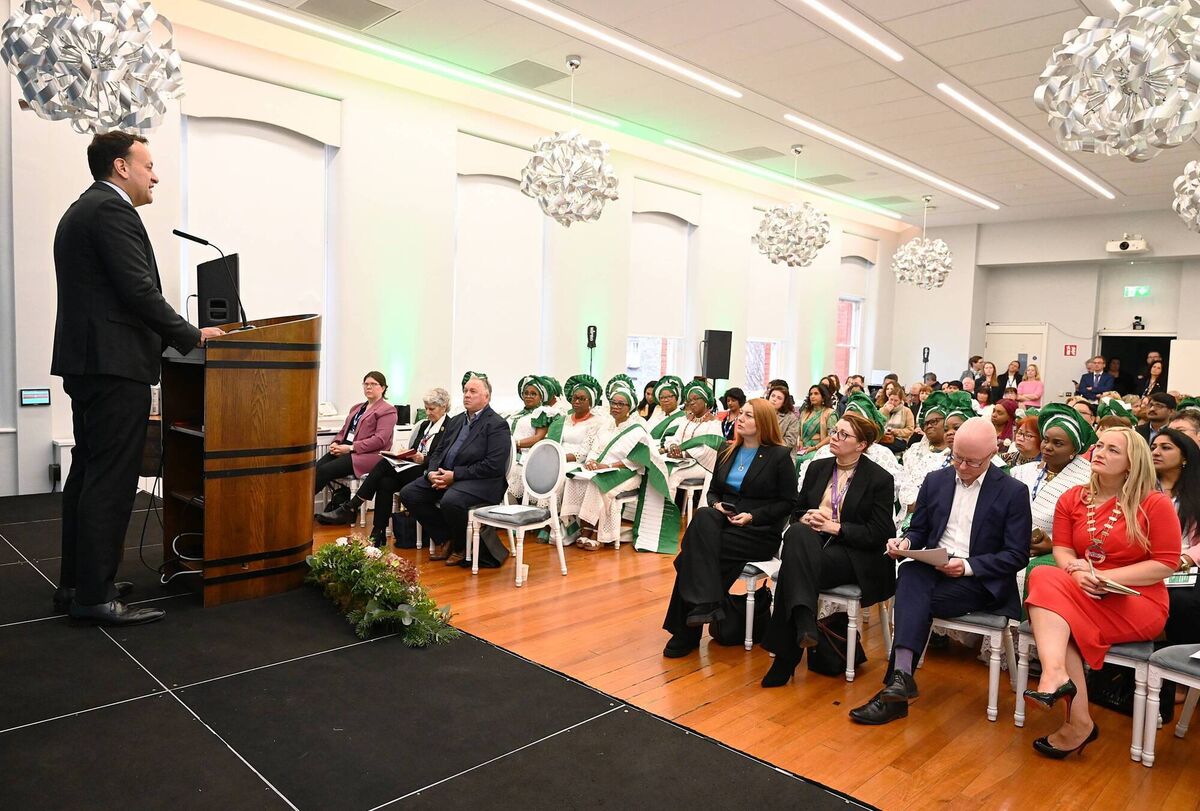
Taoiseach Leo Varadkar addressed them, saying: “This is an opportunity for me as Taoiseach to say thank you to the internationally trained nurses and midwives who have come to Ireland to join our workforce.
“I’m pretty sure we would be nowhere without you.” He said they make “a huge difference” when patients are vulnerable in hospital, and he is aware “sometimes you’re there to bear the brunt of their aggression when things go wrong.”
The Taoiseach also said: “Ireland needs to continue to be open to migration, but we do need to reassure people that it is rules-based, that there are controls and it will be properly managed.”
Health minister Stephen Donnelly said healthcare workers in Dublin were “shook” by the stabbing of children in the city and the “vicious racist” response which followed.
Referring to Nursing & Midwifery Board of Ireland registration data, he said: “In total we have an extraordinary 117 nationalities on the register. We have a mini-United Nations in our nursing and midwifery workforce.
“I am very proud that we can say that.” He announced two new roles within the HSE which will work to promote inclusion and anti-discrimination policies nationwide.
Roderic O’ Gorman, Minister for Children, Equality, Disability, Integration and Youth, told the conference the registration data “display your absolutely invaluable contribution to the healthcare system.” “I know for everyone in Ireland right now, for nurses and medical professionals as well, housing is a real challenge,” he said.
The Government plans to deliver 300,000 new homes for social, affordable and private ownership between now and 2030, he said.

CONNECT WITH US TODAY



Be the first to know the latest news and updates