Contentious Nature Restoration Law over the line after final deal agreed by EU states
The final deal passed on Thursday will see every EU country put in nature restoration measures in place by 2030.
A final deal has been agreed by the EU and MEPs on the highly contentious nature restoration proposal following intense negotiations in Brussels.
European Parliament negotiators reached a consensus with EU member state governments late on Thursday night to finalise the proposal on restoring Europe's ecosystems, after months of wrangling over the text.
The Nature Restoration Law aims to restore at least 20% of the EU’s damaged land and sea areas by 2030, and all ecosystems by 2050.
More than 80% of protected habitats across the EU are in a bad state, according to the European Environment Agency, with a combined area about half the size of Spain in need of restoration.
The European Commission's proposal looked dead in the water up to the very last minute before a vote in the European Parliament in July with the majority of MEPs set to vote against it, to the consternation of environmental campaigners and scientists, who say it is vital in the midst of an unprecedented global biodiversity and climate crises.
However, it passed the July vote after heavy compromise, with Irish MEPs joining a slim majority who voted for it to pass.
The final deal passed on Thursday will see every EU country put in nature restoration measures in place by 2030.
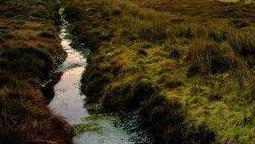
EU countries must put in place restoration measures for drained peatlands on at least 30% of such areas by 2030, 40% by 2040, and 50% by 2050.
However, rewetting will remain voluntary for farmers and private landowners — an issue that had caused political headaches in Ireland that led to public divides in the Government parties over the nature restoration proposal.
Ireland South MEP Grace O’Sullivan, who sits on the parliament’s Environment Committee, hailed the agreement, describing it as a "landmark decision for climate and biodiversity".
She said: "Over 80% of Europe’s natural habitats are in poor shape, and Ireland unfortunately ranks as one of the most nature-depleted countries in the world, following hundreds of years of colonisation, deforestation, intensive agriculture and human interference.
The inclusion of peatlands targets is especially welcome, according to Ms O'Sullivan.
"Bogs and wetlands are Ireland's Amazon rainforest, in terms of carbon storage but also for the unique flora and fauna they are host to. It is only right that we work with farmers and landowners to restore these ecosystems to better health," she said.
The Irish Farmers Association (IFA) said it remained concerned about the Nature Restoration Law.
IFA environment chair Paul O’Brien said: "Even with the amendments proposed, which sees the targets for rewetting drained peatland in agricultural use reduced and voluntary rewetting targets for farmers, the proposed law will impact production.”
CLIMATE & SUSTAINABILITY HUB