Noeline Blackwell says funding struggle 'frustrating' as she steps down as rape crisis centre CEO
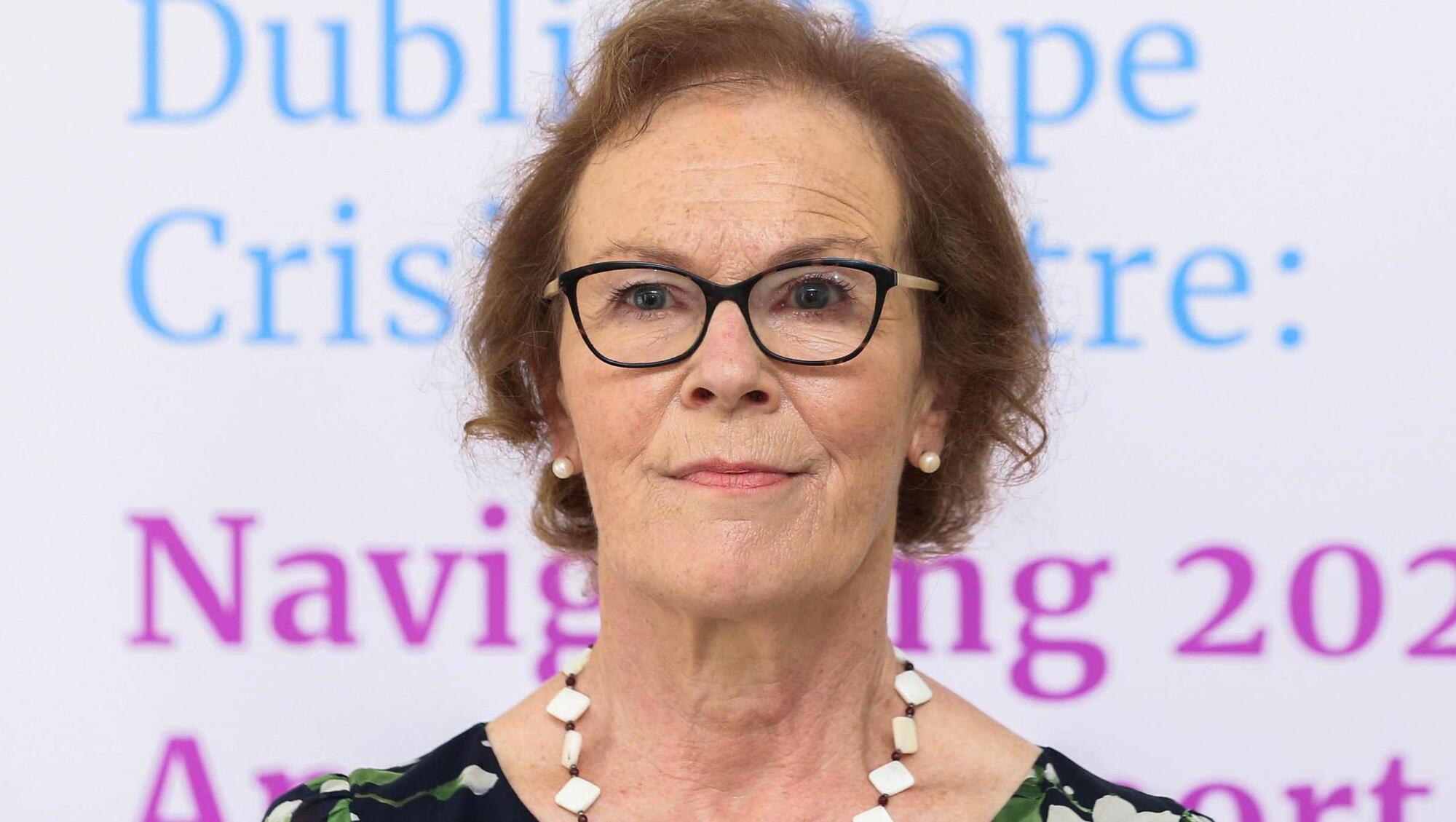
Noeline Blackwell: Voluntary and community sector constantly struggles for funding. Picture: Sasko Lazarov
The former CEO of Dublin Rape Crisis Centre has said the hardest part of her role was the “constant issue of underfunding in the community and voluntary sector”.
Noeline Blackwell made the comments as she stepped down from her role on Friday, having overseen the charity for more than seven years.
Rachel Morrogh was announced as the new CEO of the DRCC in July and will take up the position in mid-November.
Ms Blackwell will join the Irish Human Rights and Equality Commission (IHREC ) part-time but said she will also have a “jigsaw” of roles.
She confirmed to the that she will not be working in the new agency launched by the Department of Justice in relation to domestic, sexual, and gender-based violence. “I’m not going to be running anything” Ms Blackwell said.
“I’ve committed to the IHREC, but I will also be working in a few roles, I’m still deciding on a few things.”
In July the IHREC welcomed six new members to the commission, including international human rights lawyer and barrister Caoilfhionn Gallagher, and Ms Blackwell, a solicitor by profession.
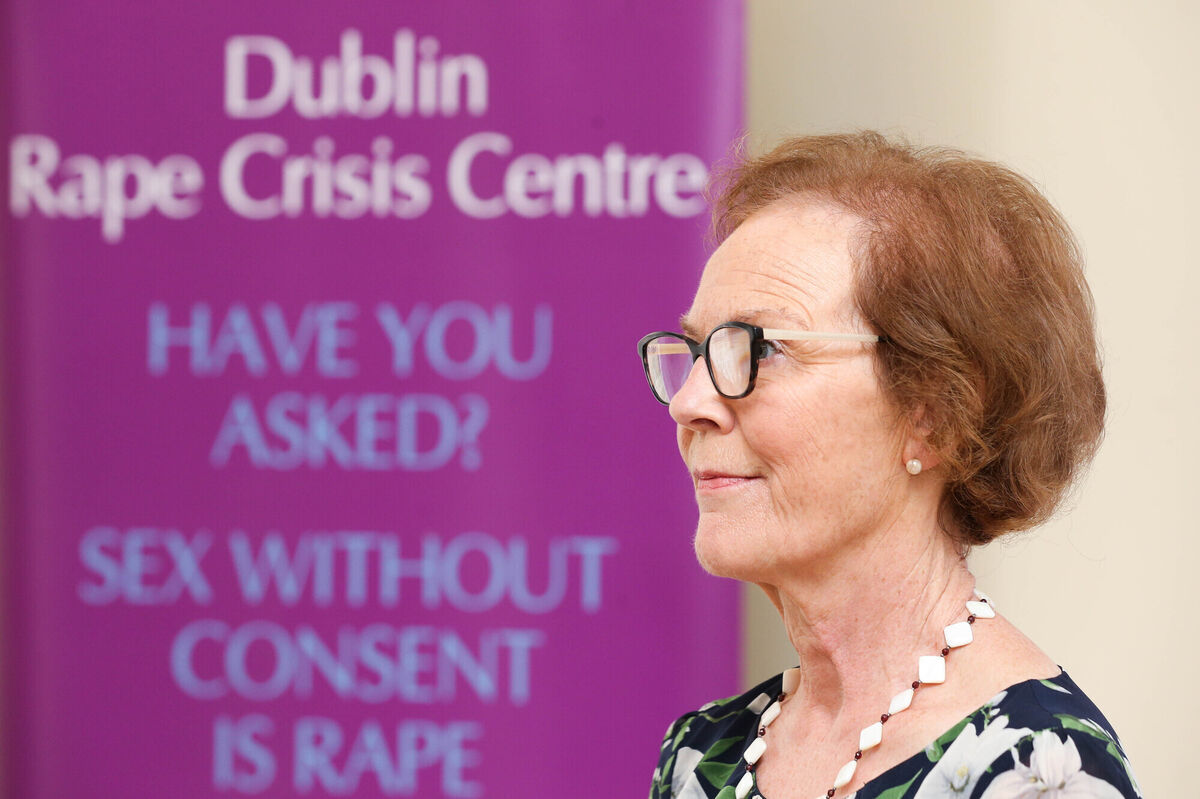
Ms Blackwell said that while she will miss her role at the DRCC, she is looking forward to new challenges.
Reflecting on her time at the DRCC, she said the voluntary and community sector was constantly struggling for funding and this was “frustrating”.
“The toughest part in some ways was not being able to provide the people we have — staff and volunteers — with the kinds of resources they need to do their work well,” she said.
"Also, Dublin is a very expensive place to live. I know the Government is starting to see it, but it has been beyond doubt the most frustrating part of the role and requiring people to work in less that the best circumstances to do their jobs.
“It is very tough for them, whether that is on reception, payroll, therapy, the phonelines — you know you’re helping.”
Ms Blackwell said it has also been a “privilege” to work with survivors of abuse.
“It is about them feeling properly empowered to get on with their own lives and to not feel shame,” she said. “It’s been a privilege.
“This will never be an area where there will be full reporting of crime because so much of it involves someone you know and trust, like your own family.
“What is happening though, is there are safe places now for people to heal and recognise that a crime has taken place.
“For years people did not even accept that rape can take place in a marriage. So much has changed," she said.
CONNECT WITH US TODAY



Be the first to know the latest news and updates