'Mood for change' as Drugs Assembly votes, says chair Paul Reid
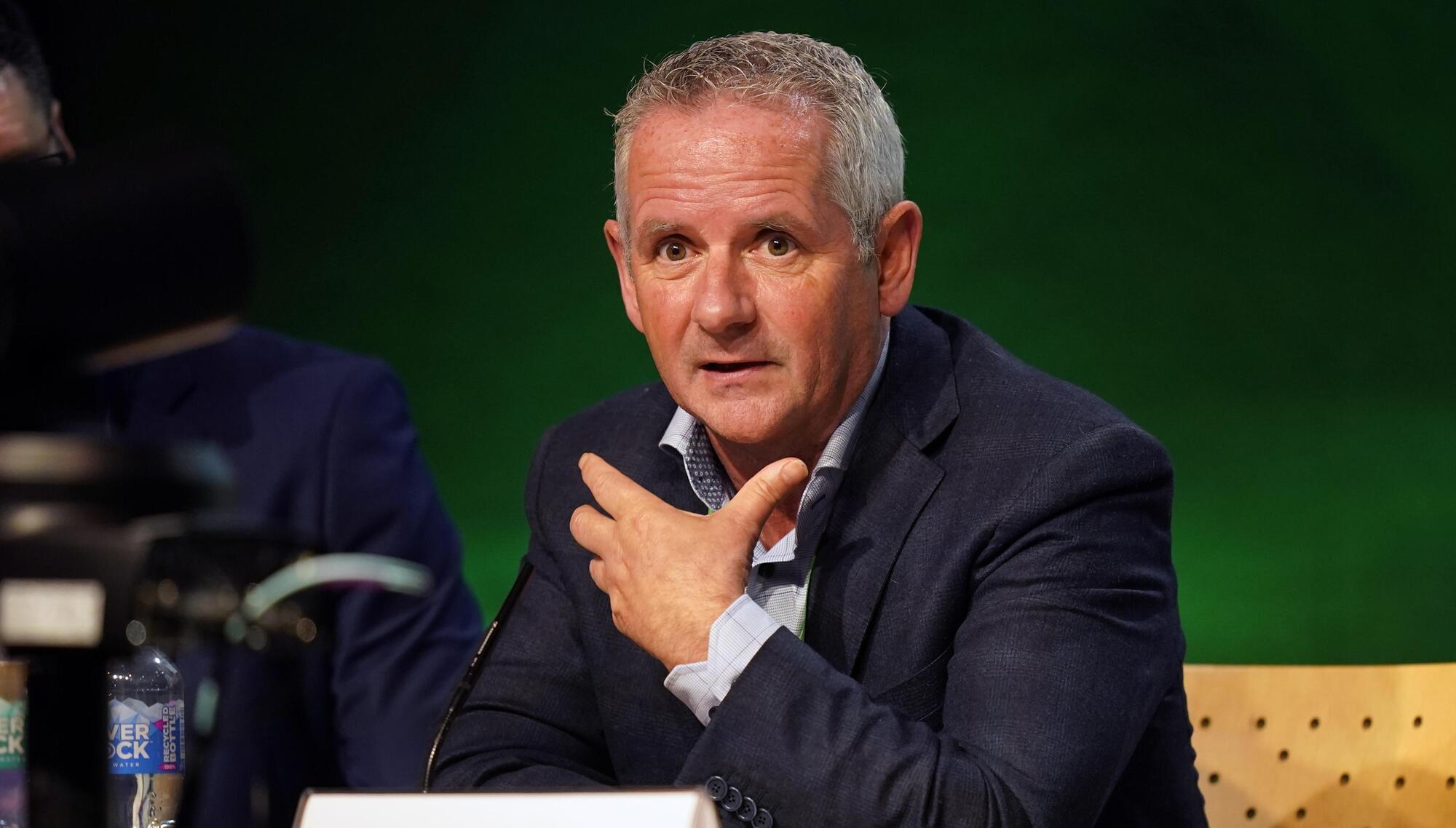
Chairperson Paul Reid said the 99 members of the Citizens’ Assembly on Drugs “have nothing but amazed” him by their capacity to listen to 150 experts, often with a range of different views, and work their way through detailed legal issues, complicated policy matters and moving human stories.

The task facing members of the Citizens’ Assembly on Drugs, as they meet this weekend to make their recommendations, is to “balance the risks” between changing Ireland’s drug laws and keeping them as they are, the assembly chair has said.
Paul Reid said the 99 members of the assembly “have nothing but amazed” him by their capacity to listen to 150 experts, often with a range of different views, and work their way through detailed legal issues, complicated policy matters and moving human stories.

He believes there is a “strong mood for change” among members, but how that will take shape in specific recommendations is not yet clear.
In an interview with the , to be carried in full on Saturday, Mr Reid said the assembly has tried to provide as much information as they could in the time available, pointing out drug laws was only one of the issues.
The assembly also examined drug trends, the level of services available, the work of community and voluntary groups, the experience of individuals and families affected and the perspectives of statutory organisations and a wide range of experts, doctors, academics, professionals and advocacy groups.
This weekend is the assembly's sixth public meeting, where recommendations will be considered and voted on—with Mr Reid’s focus on “quality rather than quantity” where members will “give the direction” of where they want the government to go, rather than design the detail.
The former HSE boss said that, for members, their task was a matter of “balancing the risks” between change and keeping the status quo: “There’s risks associated with change, but there’s high risks to keep doing what we’re doing. So, it’s really a balanced call on the risks.”
He said they sent a questionnaire to members after their two sessions on the law and criminal justice matters and received feedback, which gives an indication as to their thinking.
“I think it’s fair to say there’s a strong mood that the status quo has to change—I think that’s clear," Mr Reid said.
"It’s hard to gauge. I wouldn’t call it and it could be tight.”
A report based on the recommendations will be submitted by December to the Oireachtas and the Government for consideration and further examination.
One thing is clear for Mr Reid: “The government needs to take greater control of this issue—it needs to get high-level attention at government level.”
His comments come as the Irish College of General Practitioners issued a statement on Thursday in which they said drug use had “profound and lasting adverse effects” on individuals, families, communities and wider society.
It said cannabis was “a dangerous drug and a serious public health concern”. It said it supported public-health based strategies, rather than incarceration, with respect to individuals possessing small quantities of cannabis for personal use.
The ICGP cited “current evidence” in terms of the adverse impact of legalisation and encouraged ongoing research on the impact of legalisation and decriminalisation of cannabis on public health and public safety.