From Christmas trees and bags of coal to offal — the items clogging up Ireland's drains
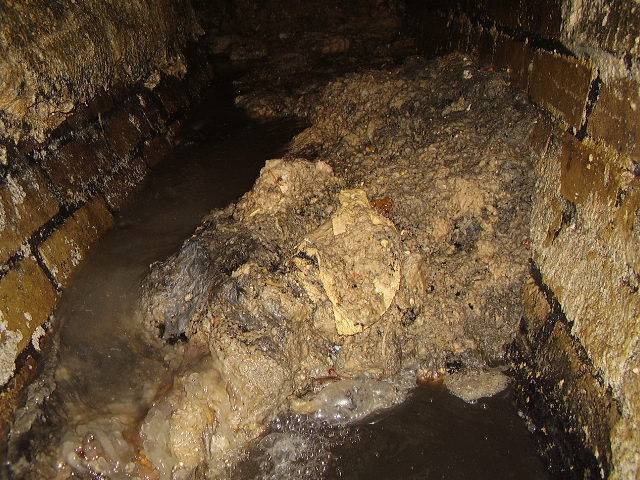
Uisce Éireann estimates 175 tonnes of wipes and ‘clogging items’ are removed per month. Picture: Irish Water
Other items which have caused major blockages to the country’s sewerage system — and which were clearly thrown into drains deliberately — include concrete blocks, tyres, beachballs, and even offal.
Uisce Éireann has also detailed the items that likely have been accidentally flushed down toilets, including wallets, phones, and purses — as well as a number of sets of false teeth.
Yet for all the weird and not-so-wonderful items that have caused major blockages, Uisce Éireann says the biggest problem it has is with items regularly flushed down toilets, including baby or facial wipes.

The utility estimates that around 175 tonnes of the wipes and similar ‘clogging items’ are removed every month from screens running into wastewater treatment plants.
A spokesman for the utility said: “That adds up to more than 2,000 tonnes every year.
“Uisce Éireann clears thousands of blockages from our wastewater networks and treatment plants annually. Last year we responded to approximately 10,000 customer-notified blockages along the wastewater network.
Aside from drains, the utility says shopping trolleys, fridges, freezers, and even beds are often dumped in rivers and public drinking-supply sources for which it is also responsible.
Uisce Éireann is combining with the Clean Coasts’ Think Before You Flush campaign. It has revealed the results of a recent survey which showed those aged under 35 are almost twice as likely to dispose of wipes and other sanitary products inappropriately down the toilet, compared to those aged over 35, and almost three times as likely compared to those over 55.
Sinead McCoy of Clean Coasts said its message is straightforward: Only ‘the three Ps’ — pee, poo, and paper — should find their way into the toilet bowl.
“All other items must be placed in the bin,” she said.
“By following this practice, we can significantly reduce sewer blockages, minimise the risk of home and business flooding, and mitigate the environmental pollution that poses a threat to wildlife, such as fish and birds, their natural habitats and our coastlines.”