Water treatment plant removes five double-decker buses of foul material a month

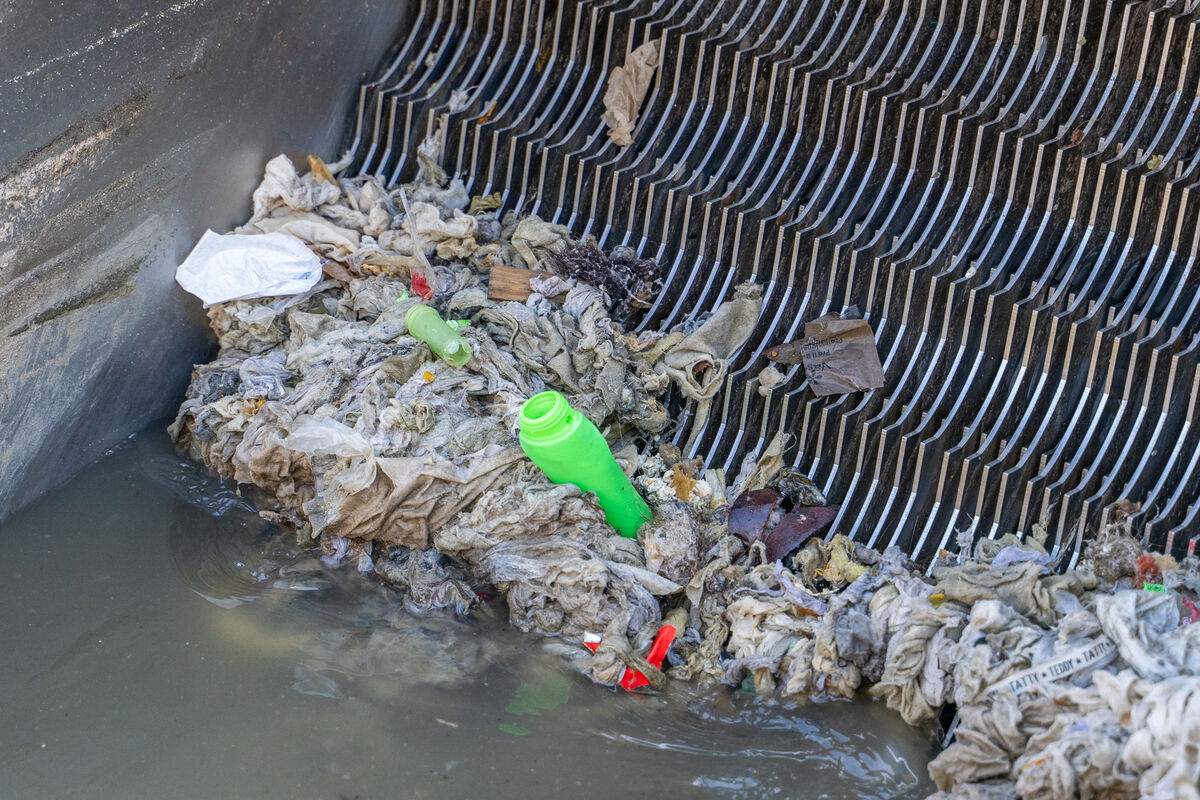
Wipes and other sanitary items removed from wastewater known as ‘ragging’ stored in a skip awaiting disposal. Picture: Fionn Rogers
Authorities are again pleading with Irish people not to flush wipes, nappies and sanitary materials down toilets, with one treatment plant in Dublin forced to remove 60 tonnes of wipes and other foul items every month – equivalent to five double-decker buses.
Irish Water said Ringsend wastewater treatment plant, where about 40% of the country’s wastewater load is treated, is seeing an average of 60 tonnes of wipes and other items removed from its screens every month.
"That is the equivalent of five double-decker buses of foul material that needs to be disposed of. The issue is evident right across the country, our largest wastewater treatment plant in the West is Mutton Island in Galway City, where approximately 100 tonnes of wipes and other items are removed from the wastewater treatment plant annually," Irish Water asset operations manager Tom Cuddy said.
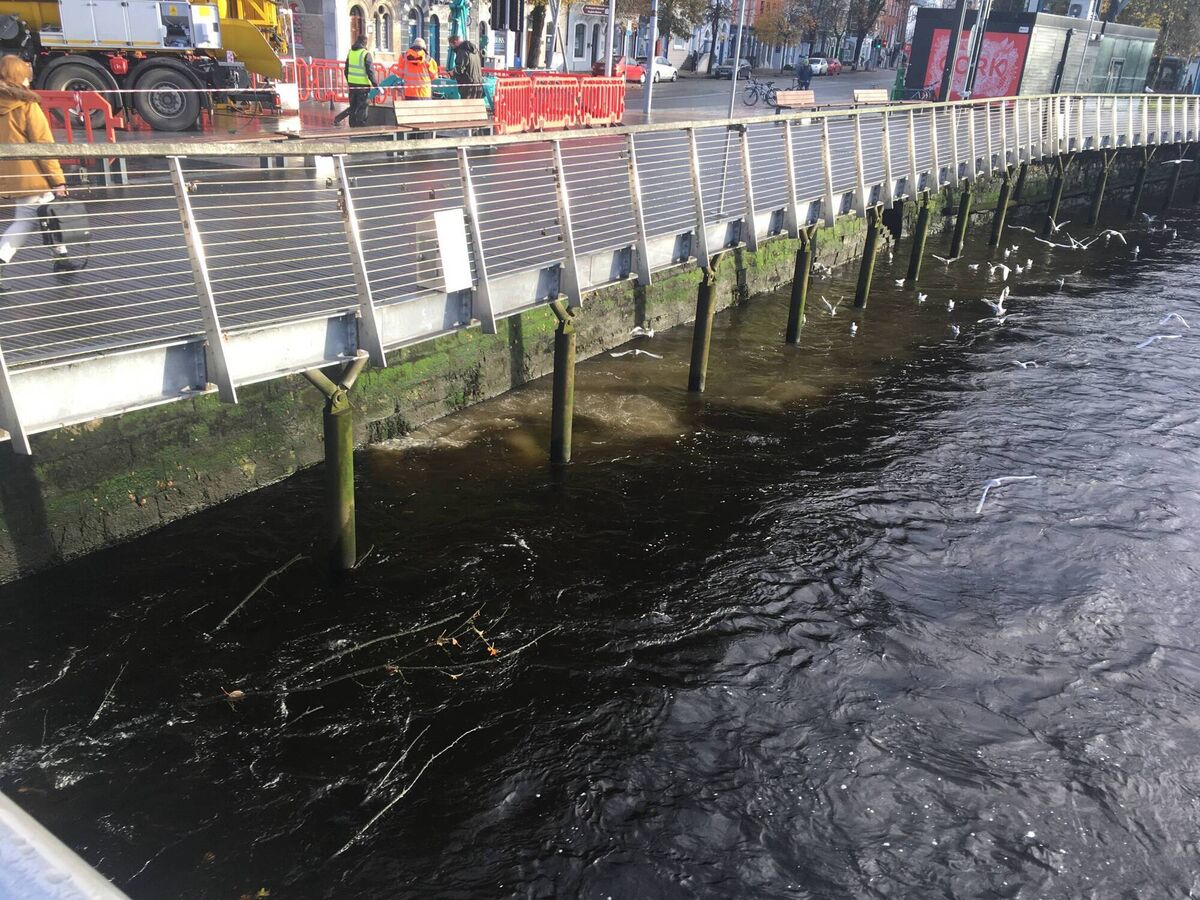
The problem was laid bare in Cork last November when a build-up of fats, oils, grease and other discarded items formed into a nasty 'fatberg' on the Grand Parade intersection with the South Mall.
So-called 'fatbergs' are becoming increasingly common in urban areas, usually in bigger cities, and can turn even the most hardened stomach.
What is thought to be the largest ever fatberg was discovered in Liverpool in 2019, weighing 400 tonnes and measuring about 250m, or longer than a passenger airplane.
The congealed mess was so bad that engineers had to hack at it using pickaxes, and it took about six weeks to break it up.
Irish Water and Clean Coasts has renewed the 'Think Before You Flush' campaign, as a recent survey reveals that almost a million adults in Ireland regularly flush wet wipes and other sanitary items down the toilet.
Mr Cuddy said: "In 2018, our research informed us that 36% of people living in Ireland were regularly flushing the wrong things down the toilet. Working in partnership with Clean Coasts on the Think Before You Flush campaign, we have made some progress, as 24% of respondents in this year’s survey admit to regularly doing so.
"Whilst this improvement is welcome, 24% represents almost a million people. The impacts of flushing the wrong things down the toilet are stark, as we are still removing thousands of sewer blockages from our network every month."
The cleaning of such filth can be remorseless on workers, Mr Cuddy said.
"I’ve seen pump blockages that workers have had to literally clear by hand in order to get the pumps up and running again in a race against time to avoid sewage overflows to the environment."
The so-called 'Three Ps' principle should apply when using the toilet, according to Irish Water.
"Our message is simple, only the Three Ps – pee, poo and paper – should be flushed down the toilet," Mr Cuddy said.
CONNECT WITH US TODAY



Be the first to know the latest news and updates