House price inflation slows as interest rate rises impact property market
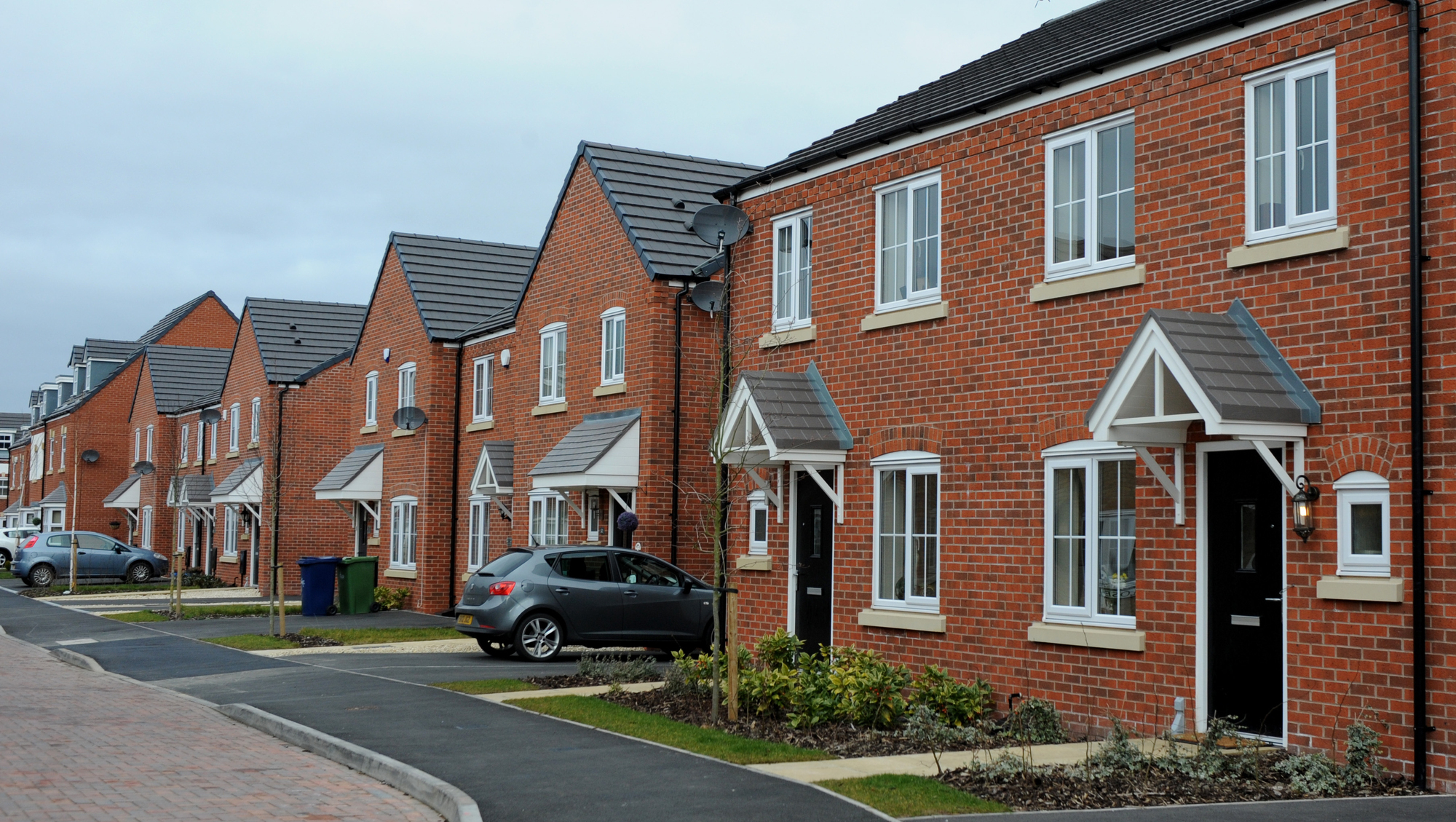
House prices fell in Dublin by 1.4% over the 12 months to the end of July, and rose by 3.8% across the rest of the country.
House price inflation slowed slightly in July to 1.5%, according to the latest statistics.
Prices in Dublin bucked the national trend, but were declining over the last 12 months.
The new figures suggest prices are edging towards stability countrywide, with a slight correction in the levels being charged in the capital.
It is the third straight month in which prices in Dublin have fallen. And while they continue to rise elsewhere in the country, it is now at a much lower rate than in previous years.
The newest data does show prices rose month-on-month for the second time after previously declining six months in a row.
The number of dwellings sold in July was significantly down on the same figure from 2022 — a decrease of 6.1% to 4,174 sales, down from 4,443, suggesting the 10 interest rate hikes delivered by the European Central Bank over the past year are having an impact on the property market in Ireland.
House prices fell in Dublin by 1.4% over the 12 months to the end of July, and rose by 3.8% across the rest of the country.
Meanwhile, the median price of a dwelling purchased over the last year now stands at €320,000, up slightly from the €318,000 seen in June.
The highest and lowest median prices across the country were unchanged, with the lowest prices found in Longford, at a median of €160,000, and the highest still being the €630,000 for homes in affluent Dún Laoghaire-Rathdown in south Dublin.
The most expensive Eircode in Ireland is A94, Blackrock in south Dublin at €735,000, with the lowest seen in Ballyhaunis in Co Mayo, with a price of just €127,500.
The increases now being seen in Dublin appear concentrated within house sales in the Fingal area in the north of the county, where prices jumped 1.4% over the year. However, in the city itself, asking prices declined 4.5%, in what now appears to be a definite downward trend.
Reacting to the latest index, industry body Brokers Ireland said the trends currently being seen indicate “home ownership has become the preserve of the better off”, and called for “unprecedented measures” to be implemented in next month’s budget to correct the trend.
“That prices are rising despite massive interest rate increases underscores the fact that home ownership has become the preserve of the better off,” Rachel McGovern, director of financial services with the organisation, said.
She added, however, that the more “dramatic and worrying” shifts being seen are not represented directly in the CSO’s price index.
“Recent Eurostat figures show that 68% of those aged between 25 and 29 were still living at home last year, compared with an EU average of 42%,” Ms McGovern said, adding that trend, in particular, would likely force young people to emigrate, which she said would represent “an indictment of public policy”.
“The extension of schemes like the Help-to-Buy and First Home shared equity scheme to second-hand homes, while welcome, would not be at all sufficient,” she said.
Ian Lawlor, managing director with the Lotus Investment Group, said the trends currently being seen indicate a likelihood that “prices will find equilibrium and stabilise at their current levels”.
He noted despite the massive hike in borrowing costs on the back of the successive ECB rate hikes, there has nevertheless been a 23% increase in first-time-buyer mortgage approvals this year.
Read More
CONNECT WITH US TODAY



Be the first to know the latest news and updates