Extra 4,265 speed camera hours in bid to address road death toll
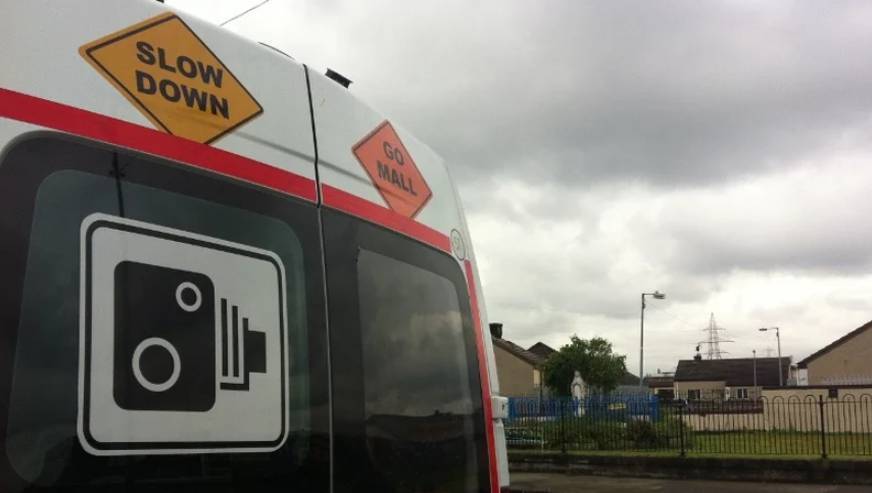
Additional speed camera hours are being funded through €1.2m from the Department of Justice.
The allocation of additional speed camera coverage was announced as the latest death was confirmed — a pedestrian in her 80s who died in a hit-and-run in Dublin — bringing the total number of people killed on the roads to 130 this year.
It has been revealed that eight Garda divisions have accounted for two thirds of road deaths in 2023. They are:
- Clare/Tipperary (19 road deaths);
- Mayo/Roscommon/ Longford (16);
- Meath/Westmeath (12);
- Galway (12);
- Kildare/Laois/Offaly (10);
- Cavan/Monaghan (9);
- Cork North (6);
- Cork West (2).
Garda figures have also shown that 65% of all fatal crashes in 2023 involved a single vehicle.
The rollout of additional speed camera hours is being funded through a €1.2m allocation from the Department of Justice. It is the second initiative announced this week to tackle speeding.
On Wednesday, plans were unveiled to reduce speed limits on national, local, and arterial roads.
Garda statistics reveal that 30% of fatal crashes are a direct result of speeding or “inappropriate speed” and approximately 75% occur in 80km/h and 100km/h zones.
Advocate Susan Gray, founder of the Parc road safety campaign, cautioned that speed cameras have limited impact.
“The cameras will not catch drink drivers, drug drivers, mobile phone users,” she said. “They will not catch people who are not wearing seat belts — the offences which are supposed to be the worst. They won’t catch disqualified drivers.”
She stressed that more gardaí are needed for road policing.
“We cannot rely on technology totally,” she said.
The Taoiseach, meanwhile, admitted that speeding is not the only area that needs to be tackled in order to reduce road deaths.
“It requires a comprehensive response,” he said.
“Speed limits are part of it, but only part of it — enforcement by the gardaí is going to be crucial. I think education is important as well.
“We in the past had very effective advertising campaigns reminding people of the harm that can be done on the road. And also, things like improving the roads and making them safer, so it has to be a comprehensive response, and it will be.”
Garda Assistant Commissioner Paula Hilman said the cameras will be deployed along stretches of road with a known traffic collision history, or in areas where there is a prevalence of vulnerable road users.
“The additional hours are being targeted within the areas where the highest proportion of fatal road collisions are taking place,” she said.
“However, mobile safety cameras will continue to operate as normal also throughout the rest of the country.”
She confirmed that more than 865 motorists were detected driving in excess of speed limits on Monday, even after numerous public appeals were made by gardaí to slow down, and after widespread media coverage of high-profile fatal crashes.
“Each individual driver has a responsibility to slow down and not just drive within the speed limit but to the appropriate speed for the road, weather, traffic, and vehicle conditions,” she said.
“An Garda Síochána will continue to prioritise our response to the very alarming trend in the increase in fatalities on our roads.”
CONNECT WITH US TODAY



Be the first to know the latest news and updates