Smartphone app could help tackle binge-drinking, study finds
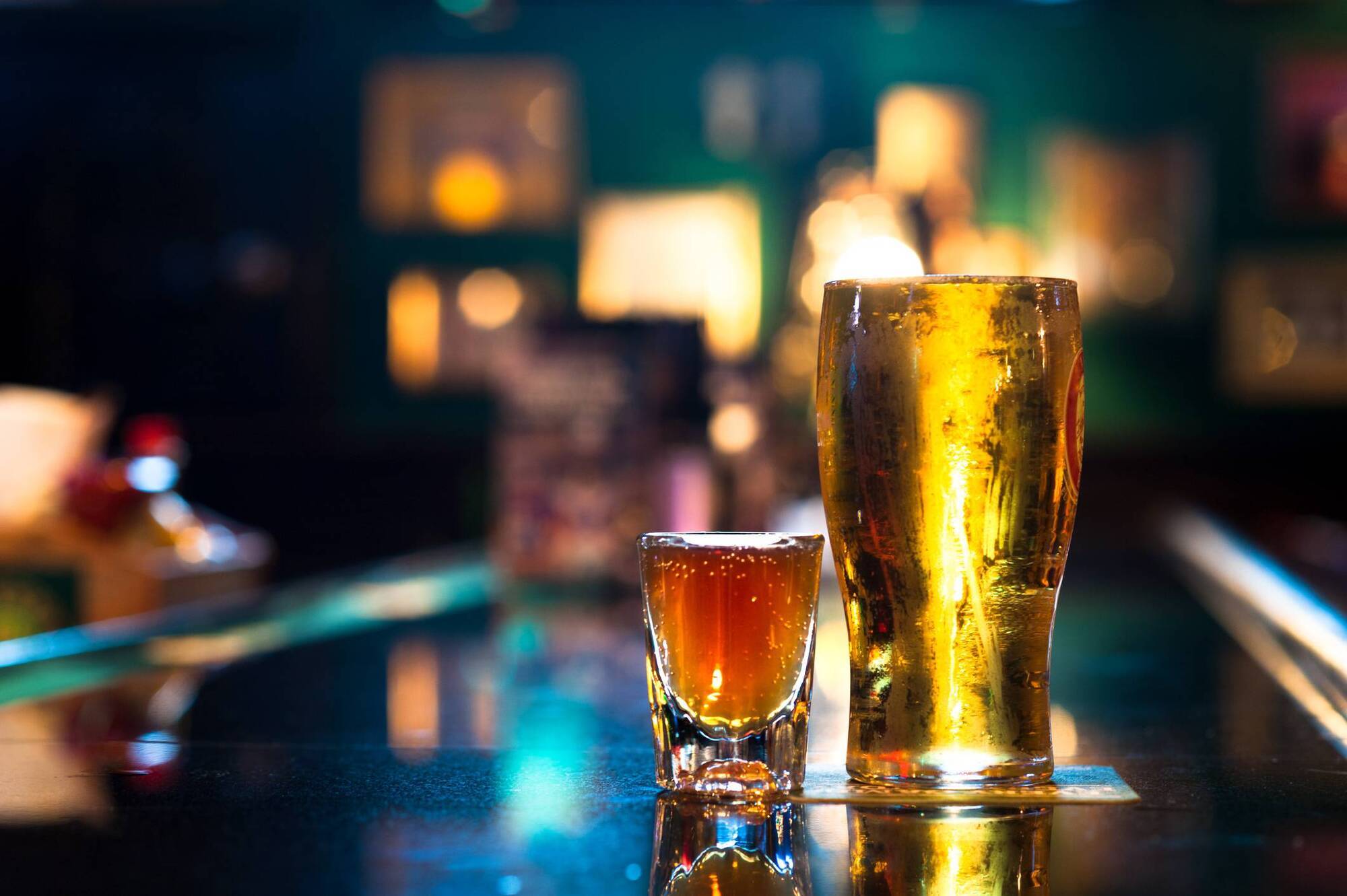
Heavy drinking was described as having at least five standard drinks for men and four for women. Picture: iStock
Smartphone apps could be used to help tackle binge-drinking, a new study has suggested.
Researchers found drinkers who used the Smaart app reduced the average number of binge drinking days by about three days every month.
They were also able to cut the number of drinks by about 10%.
The study comprised a team of researchers from Lausanne University Hospital and University of Lausanne in Switzerland, the National Addiction Centre at King's College London, the New York University Grossman School of Medicine and the Centre for Addiction and Mental Health in Toronto, Canada.
They screened students from four universities in Switzerland and monitored 1,770 who had "unhealthy levels of alcohol use", consuming an average of 8.59 alcoholic drinks a week, or drinking heavily for 3.53 days a month.
Heavy drinking was described as having at least five standard drinks for men and four for women.
The students were separated into two groups: an intervention group of 884 that was asked to download the Smaart app in return for a gift voucher; a comparison group of 886 were offered a gift voucher to fill in a questionnaire, but no further support.
The app offered those in the intervention group information around the calorie content of alcoholic drinks, blood alcohol content and associated risks, as well as tool for self-monitoring and goal setting.
Those who downloaded the app used it up to 403 times over the year and reported a reduction in heavy drinking, consuming 10% fewer standard drinks a week and taking part in 11% fewer heavy drinking days a month.
The report said "providing access to the smartphone application throughout the 12-month follow-up was effective at reducing the average drinking volume of university students who had self-reported unhealthy alcohol use at baseline" and required "fewer resources" than face-to-face intervention.
It also suggested future studies "should investigate whether widespread implementation is possible through similar channels outside of a research setting".
In 2022, the World Health Organization (WHO) set a target to reduce harmful alcohol intake by 20% by 2030.
Sadie Boniface of the Institute of Alcohol Studies and Emma Davies of Oxford Brookes University said the reduction in alcohol consumption in the study equates to about half a Swiss standard drink every week.
They added: "The nature of this intervention lends itself to being reproduced at scale at limited cost."
However, they said "these kinds of interventions are no magic fix in the context of international goals", including WHO's pledge for 2030.

CONNECT WITH US TODAY



Be the first to know the latest news and updates