Galway cited as example of how secondary cities can compete with 'superstar capitals'
Galway cited as example of how secondary cities can compete with 'superstar capitals'

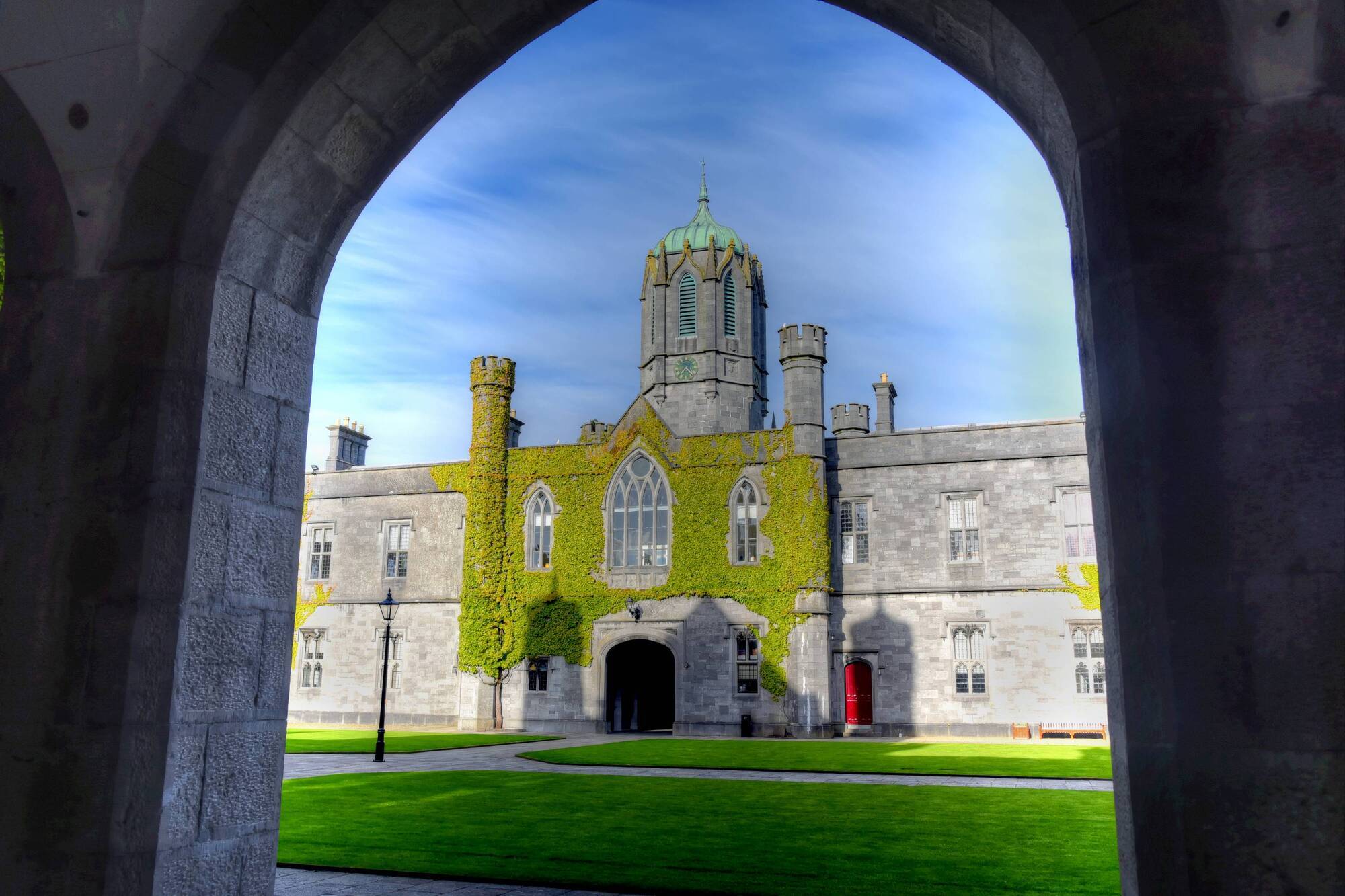
Key for the economic development of the bio-tech ecosystem in Galway was the initial flow of foreign direct investments from American multinationals which lead to collaborations with University of Galway.

Galway has been cited as a major example to regional cities across the world struggling in the shadow of "superstar capitals" that tend to soak up most major investment and economic strength.

Along with the Italian city of Bologna, North Carolina's Raleigh-Durham, and the Ruhr Valley in Germany, researchers have used Galway's emergence as a bio-tech centre as case studies for regional cities to escape the also-ran labels compared to powerhouses like Dublin, New York, Milan, and Berlin.


The research was conducted in Trinity College Dublin and Ca' Foscari University of Venice. It finds that three factors must take place simultaneously in order for regional cities to burst onto the global scene.

Global connectivity through IT and communications platforms, partnership between local universities and the private sector, and local finance and entrepreneurship are the key factors, the researchers said.

Galway

Associate Professor in Entrepreneurship at Trinity, Dr Giulio Buciuni, said: "Galway, for instance, was one of Europe's poorest regions in the 1980s and is today home to one of the world's most dynamic entrepreneurial ecosystems in the bio-tech industry. 

"The city is a great example of how innovation can take place even in geographically remote and underdeveloped locales when the three factors that we identified are in place."

Key for the economic development of the bio-tech ecosystem in Galway was the initial flow of foreign direct investments from American multinationals in the 1980s and 1990s, he said. 

That was later followed by several public-private collaborations, including collaborations with University of Galway, leading to bio-tech engineering on curriculums, he added.

"This paved the way for the emergence of local new ventures, most of which were established by engineers formerly employed by the subsidiaries of foreign multinationals. This entrepreneurial spirit was supported by financial resources coming from both the public sector and private investors.”

Bologna

The research is the subject of a new book called Periferie Competitive, authored by Dr Buciuni and Giancarlo Corò of the Ca' Foscari University of Venice.

Mr Coro said: “In the Italian context, Bologna has lately emerged as the only mid-size city able to keep up with the astronomic growth of Italy's only superstar city, Milan."

Bologna's recent economic development was fuelled by the integration of long-existing industries such as cars and machinery with local universities and firms' participation and input into global supply chains.

“Unlike Galway, where the bio-tech industry was developed from ground zero, Bologna's stakeholders were able to work together to capitalise on the region's existing industrial expertise and sustain the region's competitiveness and innovation capabilities," he said.

Cork

Collaboration between industry and universities has also been cited by American firms as a reason why Cork has become a tech hotspot.

Data security firm Rubrik opened a new building in Ballincollig last month after doubling its initial target of 50 staff when it opened a Cork office in 2018.

The Californian firm said that its collaboration with the likes of Munster Technological University (MTU) and University College Cork (UCC) meant that a pipeline of newly-qualified graduates are equipped to slot in immediately after leaving third-level. 

More in this section

Lunchtime News

Newsletter

Keep up with stories of the day with our lunchtime news wrap and important breaking news alerts.

Cookie Policy Privacy Policy Brand Safety FAQ Help Contact Us Terms and Conditions

© Examiner Echo Group Limited