Record-breaking summer weather just a glimpse of what is to come

Lloyd Fitzgibbon from Tralee walking in the rain on the Mall in Tralee, which was hit by extremely heavy rain on June 17. Picture: Domnick Walsh/Eye Focus
It has been a summer of record-breaking weather in Ireland as we begin to glimpse the consequences of climate change.
After the hottest June since records began, Met Éireann's July Climate Statement said last month was the wettest July on record.
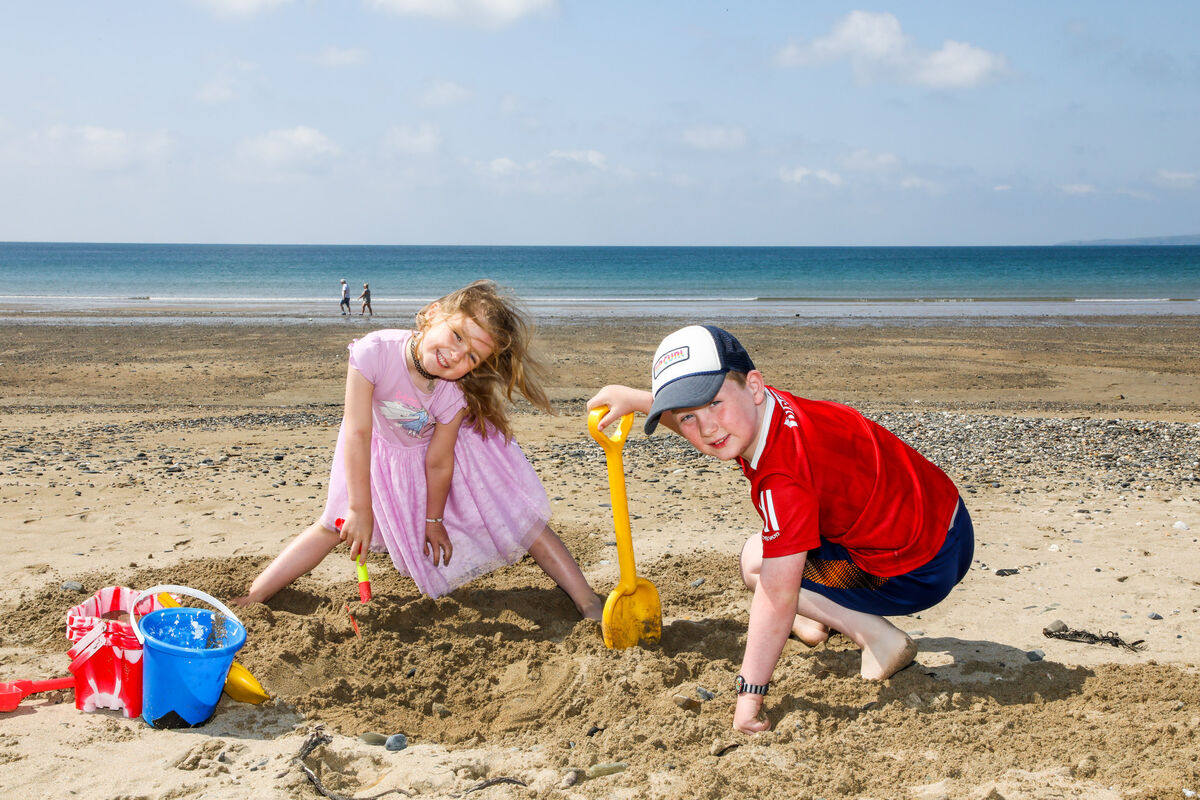
The average temperature in June was 16C, exceeding the previous record average set in June 1940.
This June was the eighth consecutive June in which temperatures have been above average.
The highest daily temperature this June was 28.8C, recorded at the weather station in Carlow's Oak Park on June 13.
Met Éireann said this was the third consecutive year a temperature at or above this value has been observed here.
Despite high temperatures in June, there was intense thunderstorm activity during the latter half of the month.
Monthly rainfall totals ranged from 45mm at Casement Aerodrome in Dublin to 124.5mm at Valentia Observatory.
Percentage of monthly rainfall values ranged from 62% — a monthly total of 50.3mm — at Cork Airport, to 139% — a monthly total of 94.7mm — at Ballyhaise, Co Cavan.
Met Éireann said most of the rainfall in June was "convective in nature", meaning a significant amount from June 13-20.
In July of this year, four times the amount of rain fell as did in July 2022. It was 217% of the 1981-2010 Long Term Average rainfall for July.
Athenry in Galway had the highest rainfall, with 224.1mm of rain, making it the wettest July on record.
The highest daily rainfall was at Dunsany, Co Meath, on July 22 when 41.6mm of rain fell — its highest daily rainfall in a decade.
On June 17, Tralee experienced torrential rainfall within the space of an hour that led to significant flooding.
Businesses were forced to close for the day, with some remaining closed for a longer period in order to repair flood damage.
The town’s main Dunnes Stores on North Circular Store was among those hit the worst, suffering roof damage.
The heavy rain lasted only 45-50 minutes, but left the town flooded.
Preliminary figures indicated 30mm of rain fell in Tralee in the space of one hour.
It is extremely rare for floods to occur after one short rainfall, it is usually following prolonged rain, and often in the winter months when shores can be clogged with leaves.
"People are using words like biblical, unprecedented — this was an absolutely freak event," Fianna Fáil councillor Mikey Sheehy, the mayor of Tralee, said in the aftermath.
"It was so heavy in parts that there were actually manholes that were blown out of the ground by the pressure and volume of water flowing through the pipes and gullies.
There was further spot flooding in Kerry on July 14 when 40mm of rain was recorded in Killarney.
The same day, heavy rainfall caused spot flooding and large amounts of surface water in the Clieveragh area of Listowel.
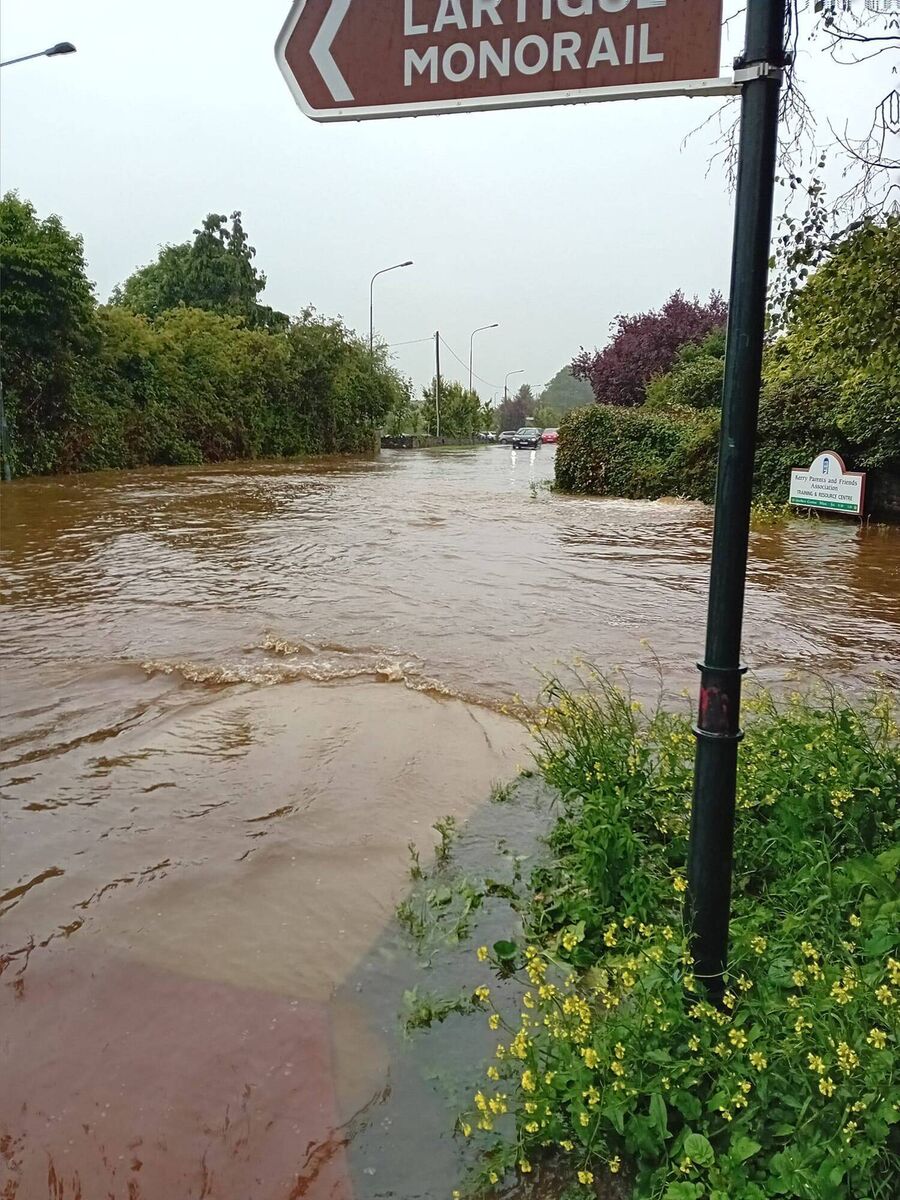
Donegal also experienced serious flooding on July 22 when roads in Raphoe resembled shallow rivers such was the amount of rainwater flowing down them.
A number of businesses were forced to close their doors on this occasion.
That same day, the Ossory Show, a prominent agricultural event in the Midlands, had to be postponed due to the weather.
Certain areas of the showground had become waterlogged, making it unsafe to proceed.
Check out the Irish Examiner's WEATHER CENTRE for regularly updated short and long range forecasts wherever you are.
CONNECT WITH US TODAY



Be the first to know the latest news and updates