Defence Forces suffering major shortage of chefs with navy worst hit
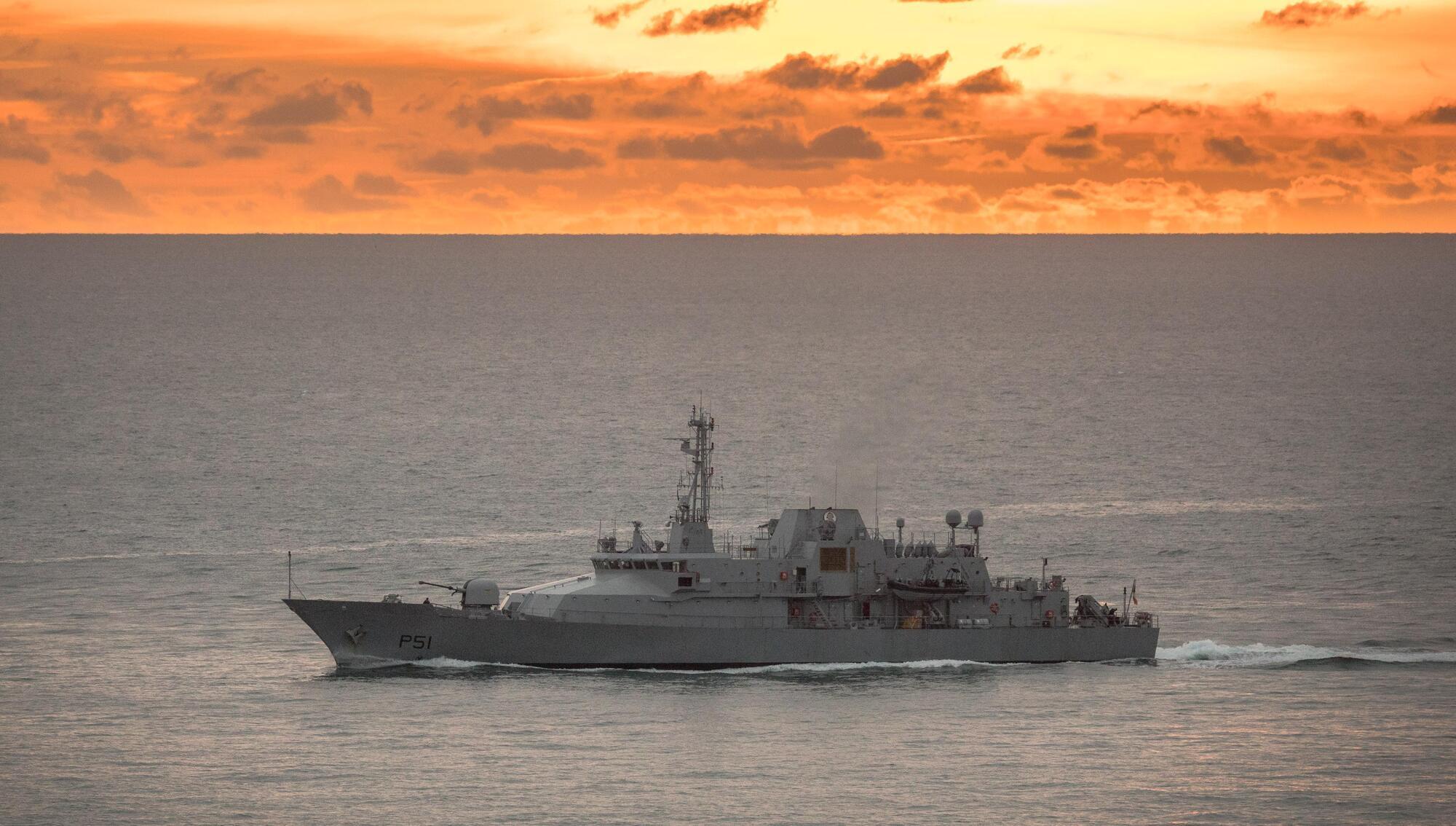
The navy is supposed to have a minimum of 54 chefs but it currently has just 37 and there are further 12 who have indicated they will quit the force by the end of this year. Picture: David Creedon
The Defence Forces is suffering a major shortage of chefs, with the navy, in particular, being so badly hit by a personnel exodus it will have fewer than half the 54 minimum required by the end of the year.
Chef vacancies are increasing across almost all of the Defence Forces as many personnel have quit for better pay and conditions in the private sector and more are about to follow suit.
The navy is the worst impacted. It is supposed to have a minimum of 54 chefs who work around the clock on land or at sea. Figures obtained by the show it currently has just 37 and there are further 12 who have indicated they will quit the force by the end of this year, leaving them perilously short at 25.
Just one of the dozen who have signalled they are leaving is being forced to do so on age grounds because he is reaching mandatory retirement.
The rest have chosen to jump ship because their skills will bring them a lot more money and better conditions in the private sector or abroad.
The dozen preparing to leave include three senior chefs and nine juniors.
The understands a number of them have decided to seek cheffing jobs in Australia and Canada, while some have opted to stay in Ireland and pursue a career in the hospitality sector, where there is huge demand for qualified chefs due to persistent staff shortages in recent years.
The Defence Forces Training Centre at The Curragh, Co Kildare, is also suffering a significant shortage of chefs.
There should be four senior chefs based there, but currently there are two. There should be six corporal rank chefs but they are short one and private rank chefs are down to 19 from the minimum requirement of 24.
The biggest fears, however, remain for feeding the sea-going personnel as chef numbers continue to diminish to such an extent in that force that they are on an "endangered species" list.
Working in a galley onboard ships during patrols in the stormy seas of the Atlantic is a far from an easy task and less pleasant than being inside an onshore restaurant. Long hours away from family is also another factor making chefs quit.
Chefs in general are in short supply and can demand big wages for their craft.
The Defence Forces in general are experiencing critical shortages, but the navy in particular is suffering far worse than the army and air corps because of the long hours away from family at sea.
PDForra president Mark Keane, who represents 6,500 enlisted personnel in the Defence Forces and serves as a petty officer chef in the navy’s headquarters at Haulbowline Island in Cork harbour, said the situation needed to be addressed as a matter of urgency.
He pointed out that in 2011 an independent third-party adjudicator recommended that allowances for military chefs be increased.
This was welcomed at the time by his association. However, the Government then stepped in and under emergency legislation introduced in the face of the recession and halted the recommended increase.
"We can't compete with what's being offered highly trained chefs in the private sector. The exodus of personnel will only put more pressure on those left and may lead to more quitting," Mr Keane said.
CONNECT WITH US TODAY



Be the first to know the latest news and updates