'State risks legal claims over its failure of duty to children in care'

The State risks future legal claims over “its failure to comply adequately with its statutory duty” to children in care, a judge has warned, as Tusla admits it is at “crisis point”.
A letter, written in May by Judge Dermot Simms, who has since retired, is included in the latest volume of reports published on Monday by the Child Law Project. The letter was sent to four ministers, the Children’s Ombudsman, and a number of State bodies after the judge was warned in court that Tusla, the child and family agency, faces an “unprecedented crisis”.
Mr Simms wrote that he had “utmost concern for the immediate predicament and welfare” of children in care and called for “immediate and co-ordinated action”.
“There is also the risk, or indeed likelihood, that the State will face claims in the future arising out of its failure to comply adequately with its duty of care and statutory duty to many of these children,” he wrote.
Read Ann Murphy's article here about the new Child Law Project report calling for investment and reforms, and the case studies it outlines demonstrating difficulties faced by children in care.
Mr Simms wrote that a “lack of properly regulated suitable placements for foster care, residential placements and special [secure] care” was identified to him, and that there were issues relating to “unfilled posts, shortage of qualified personnel and staff retention”.
He outlined “systemic failures” with Tusla and its interaction with other State agencies and “their interaction with each other”.
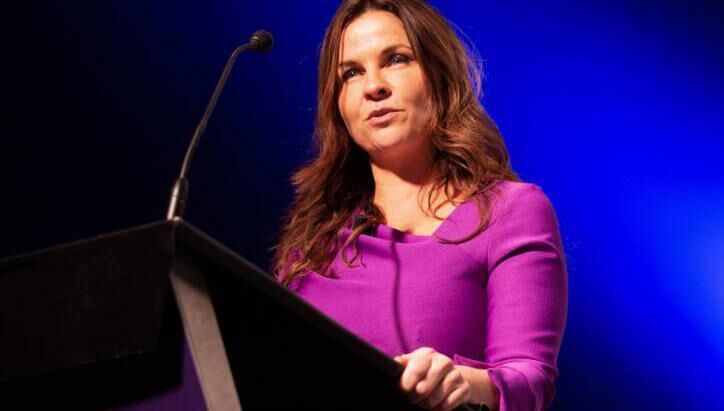
Tusla interim CEO Kate Duggan said the agency was at “a crisis point” due to the “increase in demand for services, in the context of wider societal issues such as the housing crisis, global movement, poverty, domestic and gender-based violence, drugs, criminality and exploitation”.
She said the Child Law Project publication “evidences the unprecedented challenges” Tusla faces, including an increasing referral rate (almost 83,000 to Tusla’s Child Protection and Welfare Service alone), an inadequate supply of emergency and alternative care placements (foster care and residential care), a rise in the number of separated children seeking international protection, and workforce supply issues, particularly in social work and social care.
The report follows UCD’s Sexual Exploitation Research Programme report last month revealing that children and young people in residential care in Ireland, or who go missing from care, are being targeted for sexual exploitation by networks of predatory men.
Child Law Project CEO Maria Corbett said: “We share the judge’s concerns and echo his call for urgent action.
"Our reports illustrate that the lack of appropriate placements is having a detrimental effect on the care system.
“Such practices undermine 20 years of progress and risk Ireland breaching its international human rights obligations.”
CONNECT WITH US TODAY



Be the first to know the latest news and updates