Demand for heating fuels drops sharply as prices increase
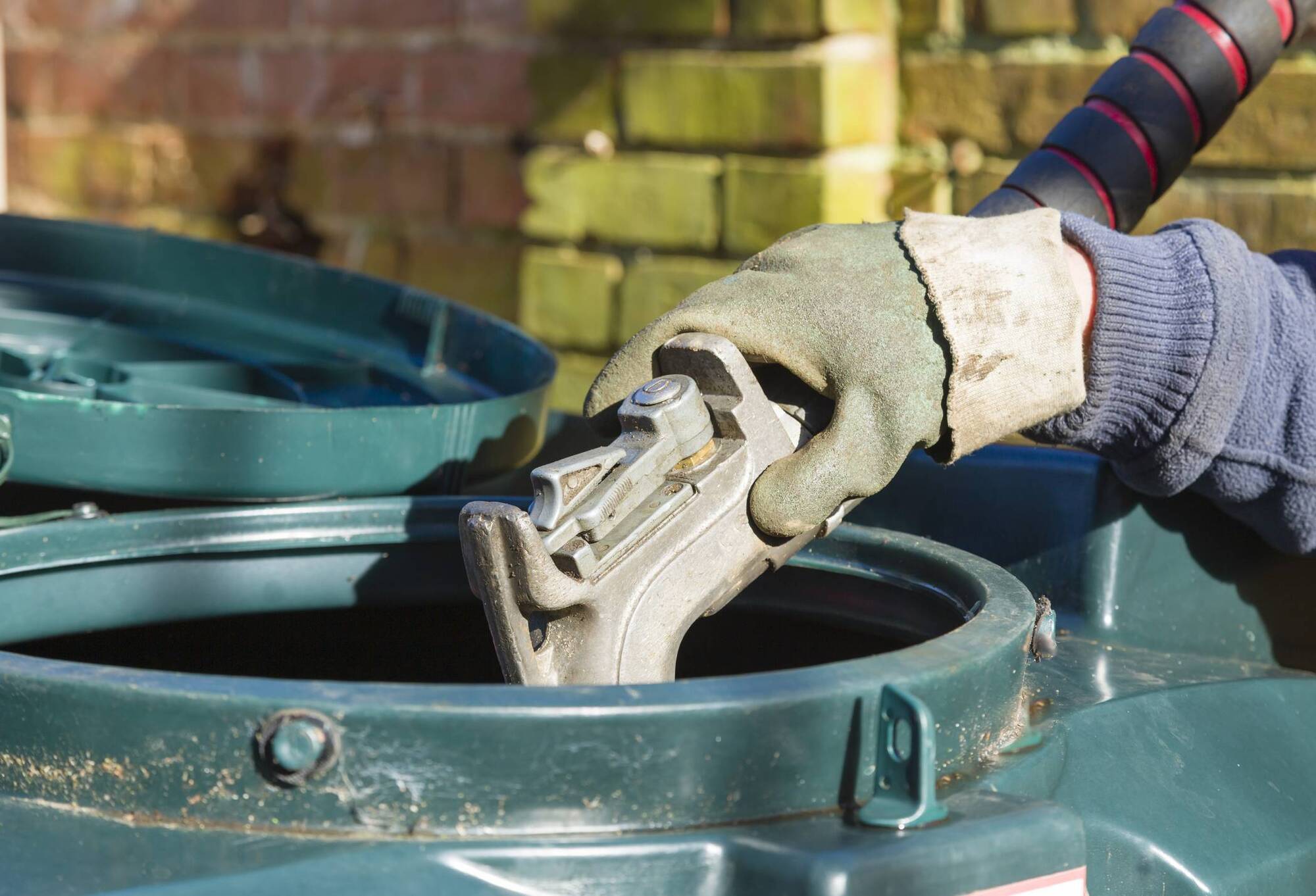
Irish demand for heating oil reduced by 16% in 2022. Picture: File
A downward emissions trajectory in homes and businesses is a welcome trend but must not come at the cost of people going cold in their homes, a sustainable energy event has heard.
A seminar on the Sustainable Energy Authority of Ireland's (SEAI) Interim Energy Balance for 2022 heard that outside of transport and electricity generation, Ireland’s demand for direct heating fuels dropped significantly.
The full report on Ireland's energy balance will be revealed in September, the SEAI's energy statistics team stressed, with a deeper dive into the data as to where and why the emissions fell around demand for heat.
Heat demand is energy used, outside of transport and electricity, to heat homes, businesses, and to drive industrial processes, said SEAI energy data manager Mary Holland.
SEAI senior energy analyst Cathal Ó Cléirigh said there was a relatively large reduction in heat demand in 2022.
CLIMATE & SUSTAINABILITY HUB
"We saw large reductions in natural gas, around 7.5%. Heating oil and solid fuels both saw 16% reductions," he said.
The reduced demand for heating fuels is greater than what temperature effects, efficiency, and fuel switching effects can account for, he added.
"We can speculate that some of the reduction in home heating fuels and the increase in road transport fuels could be seen as a result of people returning to the office and workplace in 2022.
"However we don't have enough data to come to a definitive conclusion on that," he said.
Head of the SEAI's energy statistics team Lee Carroll said in response that while reductions in emissions from heat demand are clearly welcome, it cannot come at the expense of people going cold in their homes.
"Ireland does have one of the lowest renewable heating shares in Europe; about 94% of heat demand is satisfied through fossil fuels," he said.
"The Government and SEAI is committed to rolling out hundreds of thousands of home energy upgrades in the next couple of years.
"In addition to improving energy efficiencies, these upgrades bring comfort increases and health benefits to homeowners as well," he said.
Keeping an eye on residential heat is something that needs to be done in the future, he said.
The SEAI's interim report had found that energy-related emissions for Ireland’s carbon budgets fell by 1.9% in 2022, and now stand at 7.3% lower than 2018 energy emissions.
"However, to stay within our carbon budgets, and achieve the necessary annual reductions in overall emissions of 4.8% (2021-2025) and 8.3% (2026-2030), our energy emissions need to fall much faster than they currently are," the SEAI said.
Ireland's carbon budgets allocate emissions ceilings to the likes of motorists, households, farmers, businesses, and industry in five-year cycles.
They aim to reduce emissions by 4.8% per annum from 2021 to 2025 under the first block, while the 2026-2030 budget will increase that annual reduction to 8.3%.
CONNECT WITH US TODAY



Be the first to know the latest news and updates