Alpine ecosystems to suffer as climate change places species under serious threat
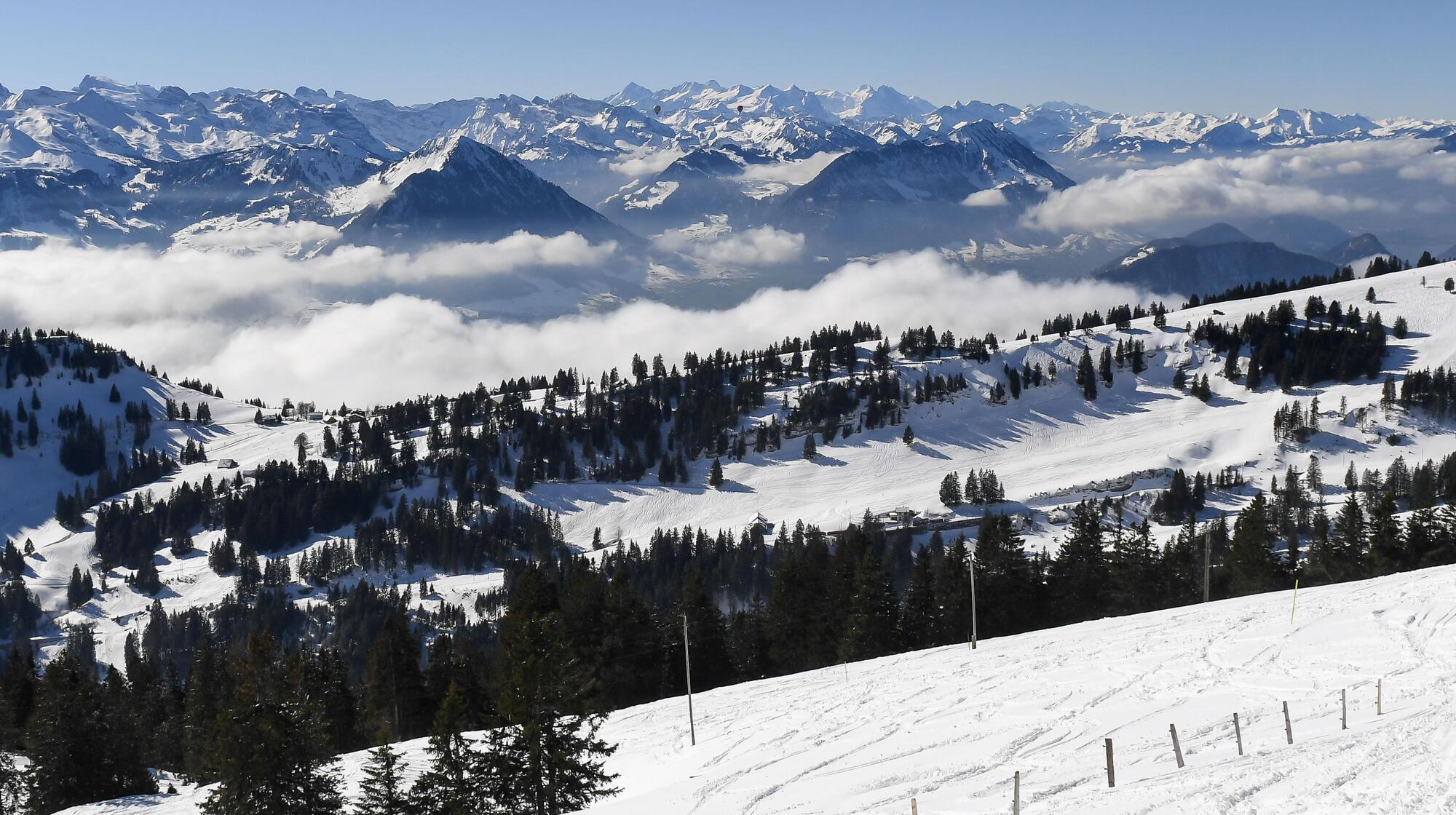
Data show that global warming has led to unprecedented temperatures across Europe in recent years, including the Alps. Picture: David Keane
Species that are vital to ecosystems will come under serious threat in Alpine regions as glaciers retreat due to climate change, scientists have calculated.
Data show that global warming has led to unprecedented temperatures across Europe in recent years, including the Alps. Last year was the second warmest ever for Europe, while the summer was its hottest at just under 1.5C above the recent average.
According to a report from the EU's Copernicus Climate Change Service, the lack of winter snow and the high summer temperatures resulted in a record loss of ice from glaciers in the Alps, equivalent to a loss of more than five kilometres cubed of ice.
Researchers co-headed by the University of Leeds and University of Essex and published in the Nature journal have now predicted that invertebrates in meltwater streams of the Alps are facing massive habitat loss due to the warming.
The invertebrates — in this case, stoneflies, midges, and flatworms — will seek out colder conditions in the uppermost regions of the mountain range, but these newer habitats will also be under threat as tourism such as skiing is prioritised, the researchers found.
CLIMATE & SUSTAINABILITY HUB
Professor of Aquatic Science at the University of Leeds, Lee Brown, said conservationists should be contemplating how protected areas should develop to incorporate the consequences of climate change.
"It could be necessary to relocate certain species to sanctuary regions if we intend to ensure their survival, as a significant number of them are not robust fliers and cannot readily disperse throughout the mountains," he said. The loss of such creatures could play havoc with other biodiversity that relies on them in the ecosystem.

The study was a partnership between nine European research institutions and combined information on invertebrate species distribution in the Alps covering over 34,000 square kilometres. The researchers stressed that taking action on reducing greenhouse gas emissions would stave off the worst of what was to come.
At the UN's Cop15 global biodiversity summit last December in Canada, 196 countries and blocs agreed to the Kunming-Montreal Global Biodiversity Framework, which includes the target to restore at least 30% of degraded ecosystems by 2030, while the European Commission also published a proposal for a new EU Nature Restoration Law last year.
At present, around 17% of terrestrial and 10% of marine areas are protected.
There are currently more than 42,000 threatened species on the IUCN Red List, which stands for the International Union for Conservation of Nature Red List of Threatened Species, the world's biggest data inventory of vulnerable species conservation status.
Outside of the IUCN red list, as many as 7.5% to 13%, or 150,000 to 260,000, of all two million known species have already gone extinct since 1500, biologists from the University of Hawaii at Mānoa and the Muséum National d’Histoire Naturelle in Paris estimated last year.
Up to a million wild species are facing extinction, many within decades, a report from the Intergovernmental Science-Policy Platform on Biodiversity and Ecosystem Services (IPBES), signed off by 193 member countries, also revealed last year.
CLIMATE & SUSTAINABILITY HUB
CONNECT WITH US TODAY



Be the first to know the latest news and updates