UN report urges countries to treble nature funding by 2030
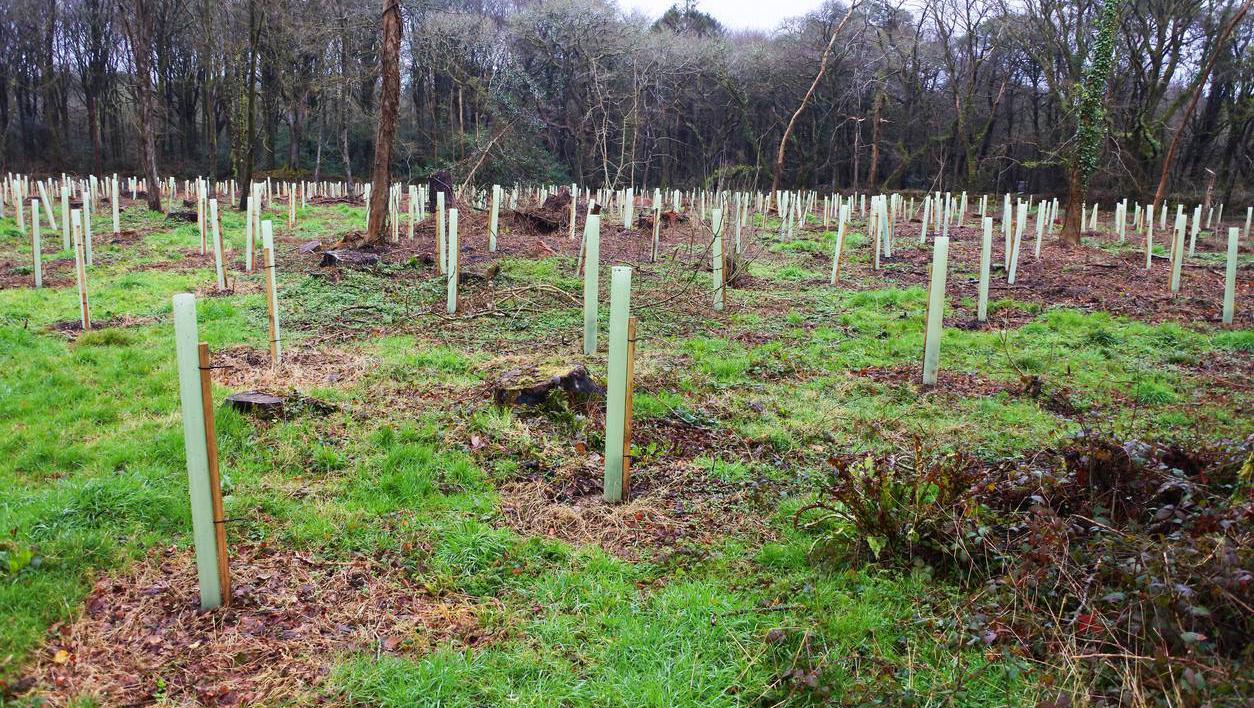
Nature-based solutions remain significantly underfunded. Picture: John Gollop/iStock/Getty Images
Global funding to combat biodiversity loss and climate change needs to treble by the end of the decade, a major UN report has found.
The second edition of the report warned that so-called “nature-based solutions” remain significantly underfunded amid unprecedented extinction threats and degradation of land across the world.
According to the World Bank, nature-based solutions are those that restore and protect ecosystems while also addressing the effects of climate change, health, water, and food security.
An example would be planting trees in coastal areas, known as mangroves, that would simultaneously tackle storm impacts on people and local economies, but also provide habitats for flora and fauna.
The UN’s latest report on nature finance comes just days before the Cop15 global biodiversity summit in Canada, which has been described as potentially a Paris Agreement for nature.
The 2015 Paris Agreement set the 1.5C temperature increase limit goal that scientists say is necessary to avoid the worst fall-out from climate change.
The Cop15 event in Montreal is expected to see countries from around the world thrash out new agreements on nature and biodiversity, which is going through an unparalleled modern crisis, with around a million species under threat of extinction.
Last month former Irish president Mary Robinson urged world leaders to take the Cop15 summit more seriously, with the perception that it has not received the same recognition as the Cop climate change summits, such as Cop27 which took place in Egypt last month with world leaders in attendance.

The UN’s State of Finance for Nature report warned that finance flows to nature-based solutions are currently just $154bn (€146bn) per year.
This is less than half of the $384bn per year investment needed by 2025 and only a third of investment needed by 2030 ($484bn per year) “to limit climate change to below 1.5C, halt biodiversity loss and achieve land degradation neutrality”.
Urgent and large increases in finance for nature are essential, the report said.
“Delayed action is no longer an option in the face of the devastating effects of climate change, the extinction crisis and severe land degradation globally.
“This report provides hope — if we rapidly double finance flows to nature-based solutions, we can halt biodiversity loss, significantly contribute to reducing emissions, and restore close to 1 billion hectares of degraded land,” it said.
There are also vast opportunities for new employment, it found.
“The World Economic Forum (WEF) estimates that nature-positive policies could attract more than $10trn in new annual business value and create 395m jobs by 2030,” the report said.
Ocean-based nature is the poor relation when it comes to nature-based solutions, the data show.

Investment in marine nature-based solutions constitutes only 9% of total investment in the field, the UN report said.
This figure is very low given the role of the oceans in climate mitigation and supporting adaptation, food security, and biodiversity conservation, it warned. Current annual investment in marine protected areas is $980m, whereas land protected areas receive almost $23bn.
Ireland will send a delegation including Heritage Minister Malcolm Noonan to Montreal this month for the Cop15 event, along with members of the National Parks and Wildlife Service (NPWS) and others.
Cop15 begins this Wednesday, December 7, and concludes on December 19.
CLIMATE & SUSTAINABILITY HUB