First drop in grocery inflation in two years
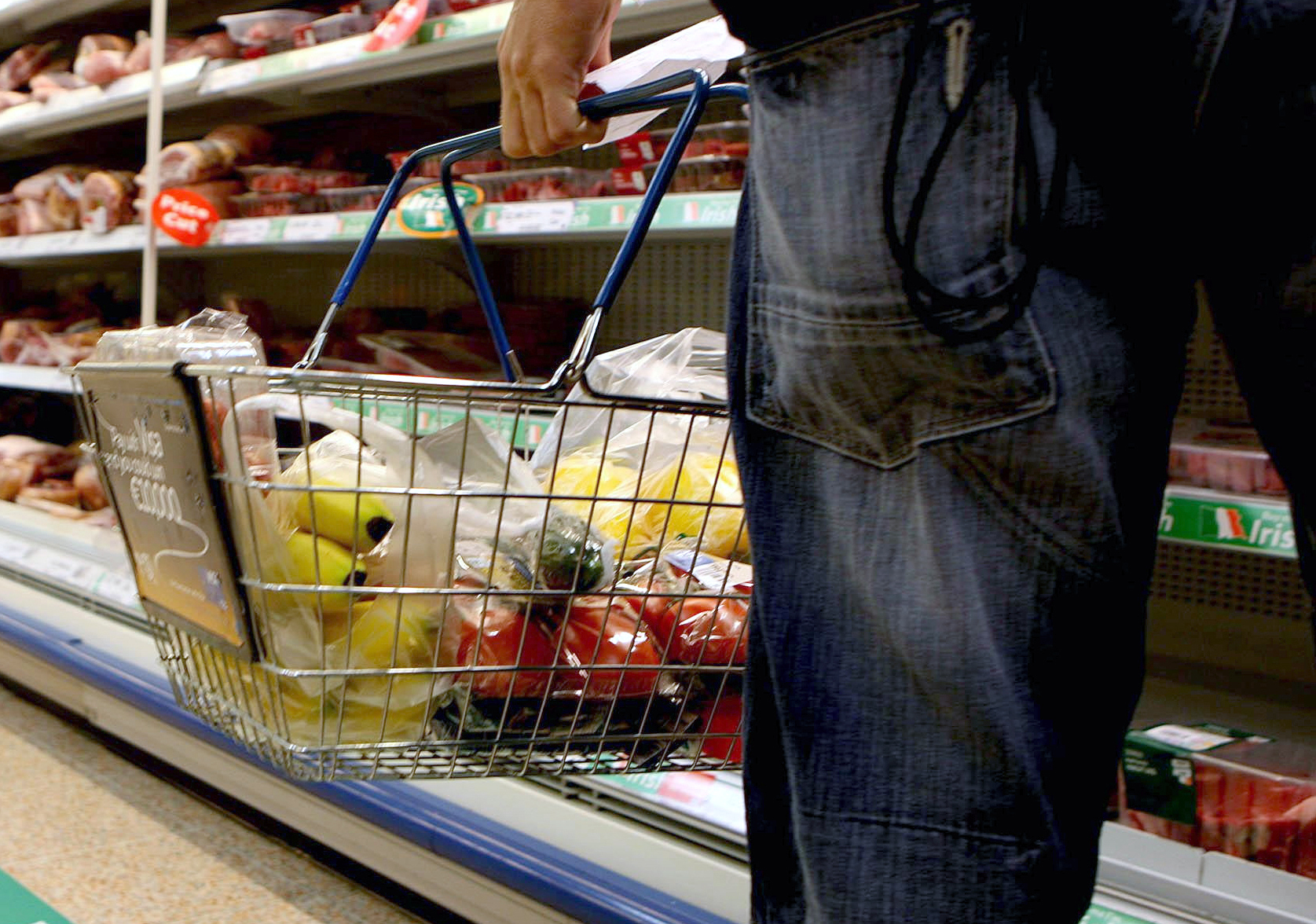
Overall, Irish spending on groceries increased by €278.4m across the quarter, Kantar said.
Grocery inflation in Ireland for the first quarter up to April 16 was 0.2% lower than the previous period measured, marking the first drop in the rate for wo years.
New figures, produced by market consultants Kantar, show that for the 12-week period up until April 16, the rate of inflation dropped from 16.8% to 16.6%.
Inflation across all sectors has remained stubbornly high for nearly two years now, despite the repeat intervention of the European Central Bank, which has raised its rates on numerous occasions in a bid to cool the markets and bring prices to heel.
Overall, Irish spending on groceries increased by €278.4m across the quarter, Kantar said.
Emer Healy, senior retail analyst with Kantar, said that the drop in grocery inflation, while small, will be “welcome news” for Irish consumers.
She said that shoppers are turning to shopping “little and often” in order to help manage household budgets, with consumers also returning to physical stores more often than had recently been the case.
A surge in enthusiasm for own-brand goods was also seen with sales of such items increasing by 15.6% over the 12 weeks compared to just 8% for brands.
Value own-label led that growth, with sales increasing by 33.4%, or €18m, over the quarter as consumers searched “for ways to save money”, in Ms Healy’s words.
Some of that increased spending would have resulted from additional celebrations falling during April, Ms Healy said, including Easter, a bank holiday weekend, and the visit of US president Joe Biden to Irish shores.
In terms of the retailers themselves, Dunnes Stores currently holds the highest market share among retailers at 23.2%, with growth of 15.3% year-on-year.
Kantar said that growth had stemmed from an influx of new shoppers to the retailer’s stores, together with consumers returning more often.
Tesco is in second place with 22.4% market share and growth of 14.9% year-on-year, with Super Valu slightly adrift in third with 20.7%.
In terms of the value supermarkets, Lidl currently holds 13.3% of the overall market and Aldi 12.1%, with the former’s positive results stemming from an influx of new shoppers contributing an additional €43.9m to the retailer’s overall performance.