Defend art from soup throwing: new guidance issued for protecting artwork and exhibits
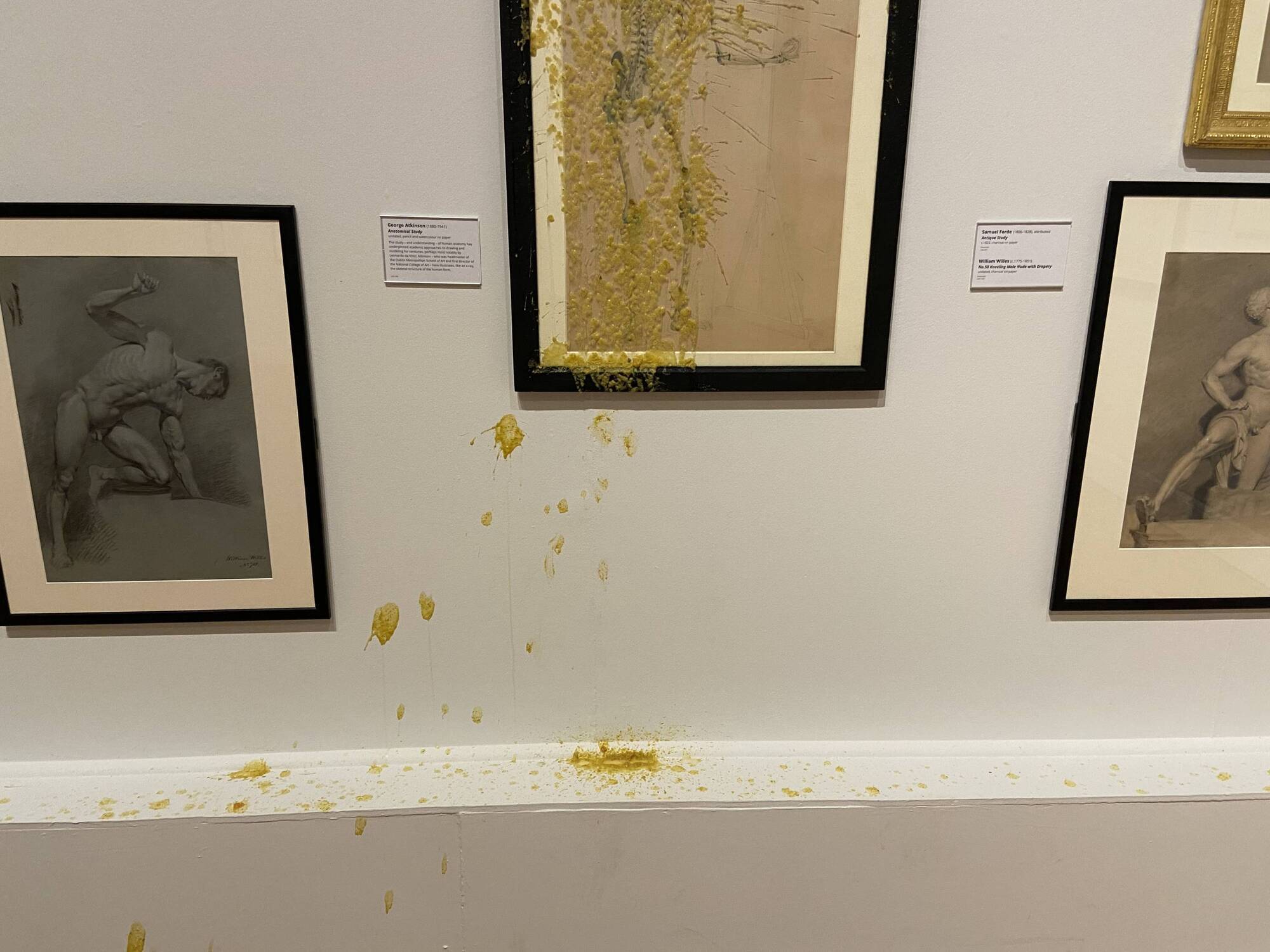
The George Atkinson watercolour Anatomical Study in the Crawford Art Gallery, Cork, which was attacked when a protestor threw soup at it.
New guidance has been issued to help organisations protect artwork and exhibits in Ireland.
It follows a series of high profile incidents in Ireland and internationally in which protestors and disruptors have targeted artworks and other valuable pieces, including an incident at Cork's Crawford Art Gallery in November 2022.
The advice was issued by Ecclesiastical Insurance Ireland.
In Cork, a man was in court for allegedly throwing soup at a George Atkinson drawing in November 2022. No actual damage was done to the artwork, according to the gallery.
In Amsterdam, the climate activist group Extinction Rebellion protested next to Rembrandt's painting in the Rijksmuseum last month.
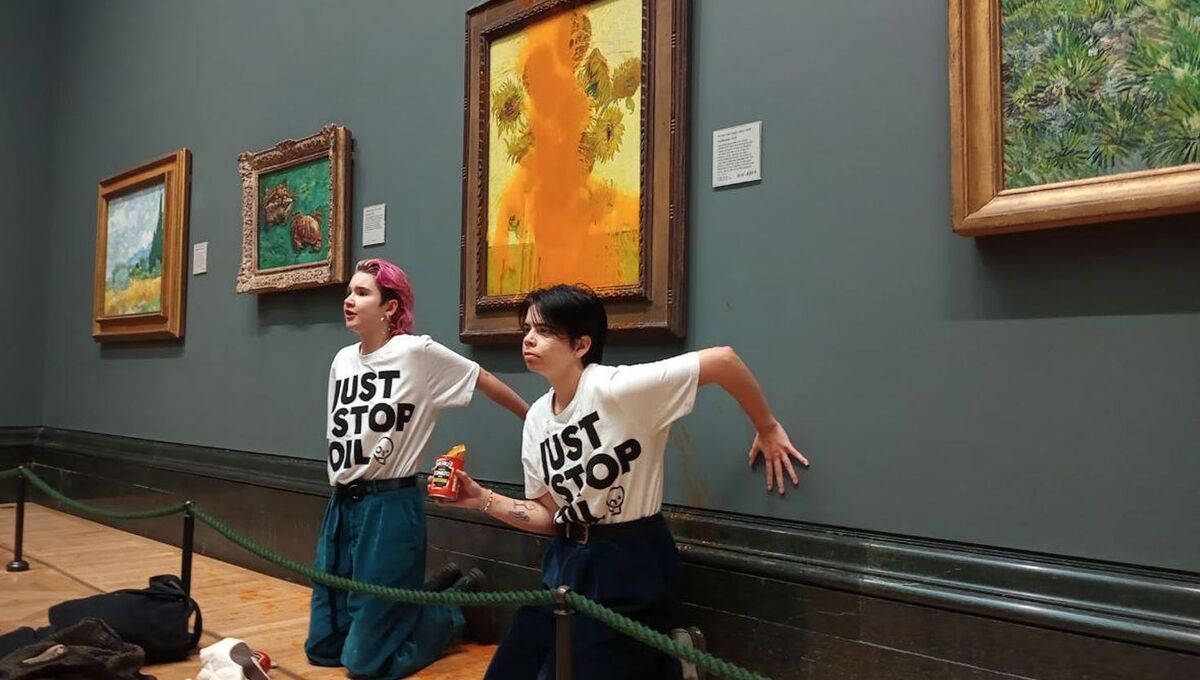
In London, demonstrators threw soup at Van Gogh's painting and glued themselves to the frames of several masterpieces last year at the National Gallery.
Meanwhile, in Norway, another activist group attempted to glue their hands to the frame of Edvard Munch’s .
In light of these protests, Ecclesiastical Insurance Ireland said it “is encouraging heritage organisations, museums, and galleries to be vigilant and take proactive steps to help protect artwork and exhibits from similar attacks in this country.”
Head of Risk Services at Ecclesiastical Insurance, Paul Collins said: “Over the past year we have seen protests involving attacks on iconic artworks that caused significant damage.
“There are a number of measures heritage organisations can take to help protect art from the risk of attacks from protestors.
“Inspecting bags at entrances and exits, securing priceless art behind glazed panels, and installing proximity alarm systems can help to deter attackers.
“It is also important to train staff and volunteers to recognise and report unusual visitor behaviour.
“We urge heritage organisations, museums and galleries to review their security arrangements on a regular basis and follow our guidance.”
- Position stewards in any high-risk areas so they can promptly respond to any incident.
- Train staff and volunteers to recognise unusual visitor behaviour. Perpetrators may plan their attack, completing reconnaissance visits first. Suspicious or abnormal activity should be immediately reported to security or senior staff.
- Stewarding arrangements should include bag inspections at entry point and exit points from the premises.
- Consider introducing arrangements for visitor bags to be deposited at entry, to restrict the potential use of materials or objects that may cause damage.
- Introduce a visitor behaviour code on what is expected from them during the visit, including no touching of exhibits. The code should indicate visitors might be asked to leave if they do not comply.
- Paintings of particular note should be protected by a glazed panel to help minimise damage from an attack.
- Items of significant value or interest could be roped off to act as a physical barrier. These areas can be supplemented by proximity alarm systems providing immediate alerts to a steward if an area is encroached upon.
- Restrict visitor numbers by only allowing a maximum number of people in an area at any one time.
- CCTV can provide a valuable deterrent against damage or theft. System recordings should be retained for at least 30 days.
- Adequate lighting can discourage criminal actions especially in areas less frequently visited or patrolled. Sensors can highlight movement in these areas drawing the attention of stewards and security staff.
- Arrange for stewards to check the condition of items before the premises open or close to identify any damage that may have incurred during the last 24 hours with a view to introducing additional precautions or even removing the artwork.


CONNECT WITH US TODAY



Be the first to know the latest news and updates