Hard-hitting review shows Defence Forces is unsafe working environment
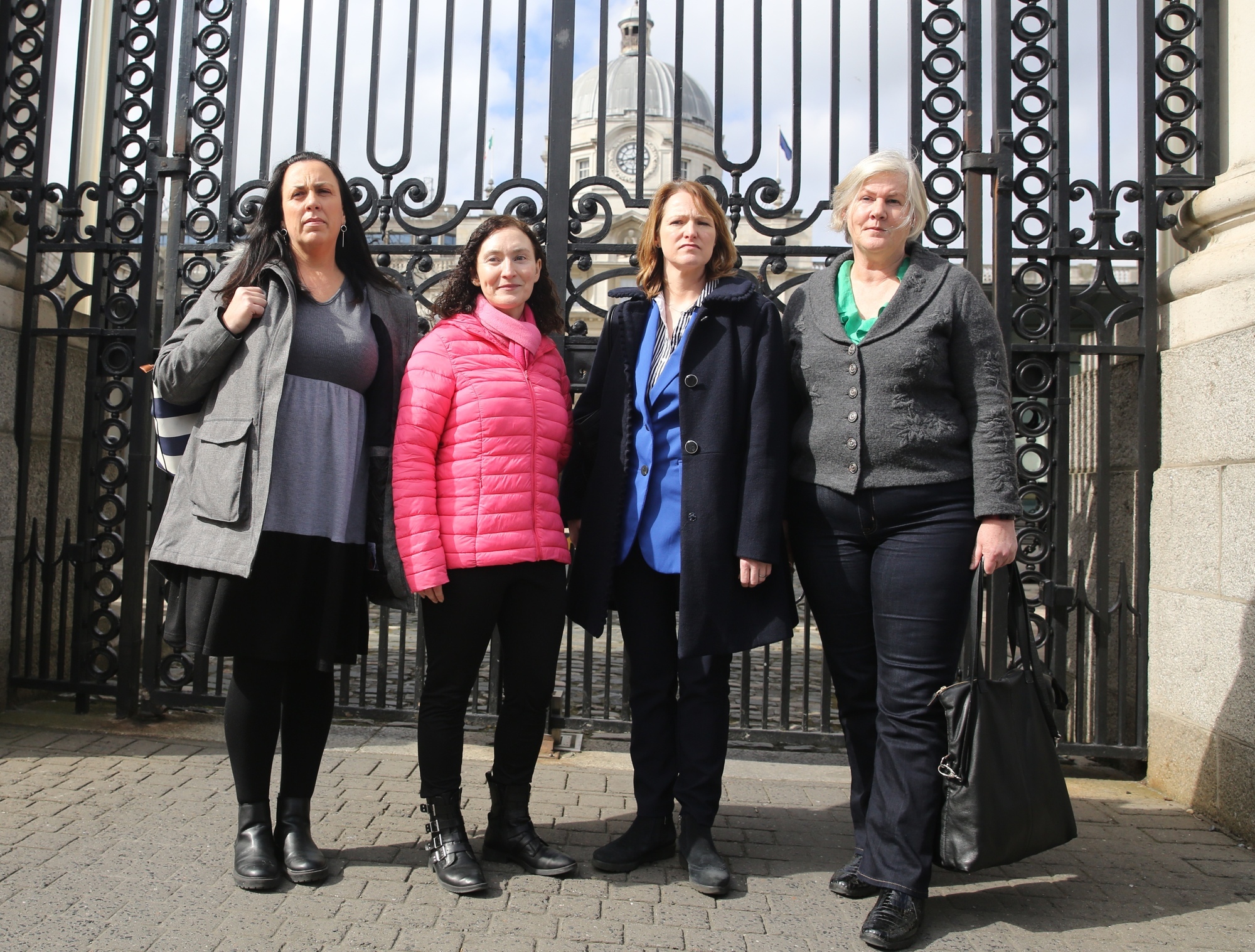
Members of Women of Honour, Honor Murphy, Yvonne O Rourke, Diane Byrne, and Karina Molloy outside in Government Buildings. Photo: Gareth Chaney/Collins Photos
The independent review of the Defence Forces shows "again and again" that the people serving, in particular women, are working in systemically unsafe workplaces.
The judge-led review was released on Tuesday and recommended a "statutory fact-finding process" following its investigation of matters first raised by a group of female veterans.
Some 88% of female respondents in the Independent Review Group (IRG) Defence Force Perceptions and Experience Survey reported that they have experienced one or more forms of sexual harassment, compared with 17% of male respondents.
This starts at initial training in the Cadet School and in initial enlisted training.
The key findings in the report include:
- Bullying, harassment, discrimination, and sexual harassment continue in the Defence Forces today, with increased reports of sexual harassment among serving members;
- Women in the Defence Forces have low status, with the organisation displaying “pockets of misogyny” and a hypermasculine culture;
- The working environment is not safe for men or women, and doesn’t take into account the principles of dignity, equality, mutual respect, and duty of care;
- A strong lack of trust in leadership — 50% of respondents were not satisfied with management;
- Cadets, women, the lower ranks, and those who challenge are at risk from predatory older members;
- Members do not trust complaints procedures and those responsible for dealing with them;
- Most respondents never made a formal complaint about their harassment, bullying, sexual harassment or sexual assault — retaliation meant making a complaint was considered career-ending;
- ‘Officers investigating officers’ cannot be allowed to continue, and this will require a total overhaul of the complaints procedure.
Responding to the report, Noeline Blackwell, the CEO of the Dublin Rape Crisis Centre, this morning said she is shocked but not surprised by the findings.
Many of the details in the report had already been flagged in a thesis by Senator Tom Clonan 20 years ago, she told RTÉ radio’s
The report showed “again and again” that people serving in the Defence Forces, particularly women, were working in workplaces that were systematically unsafe, she said.
The report highlighted that there were problems that needed to be addressed at every level.
Ms Blackwell said that the Defence Force’s complaints system, which had been devised in the 1950s and to which a number of tweaks had been made, had no place in modern-day life.
There had been a culture of total disrespect and abuse, not only of women but of men as well, but mainly of women, it was something that could no longer be denied.
“So I think maybe what has changed is that Government focus, setting up that group, funding it, letting it do its report and accepting recommendations.”
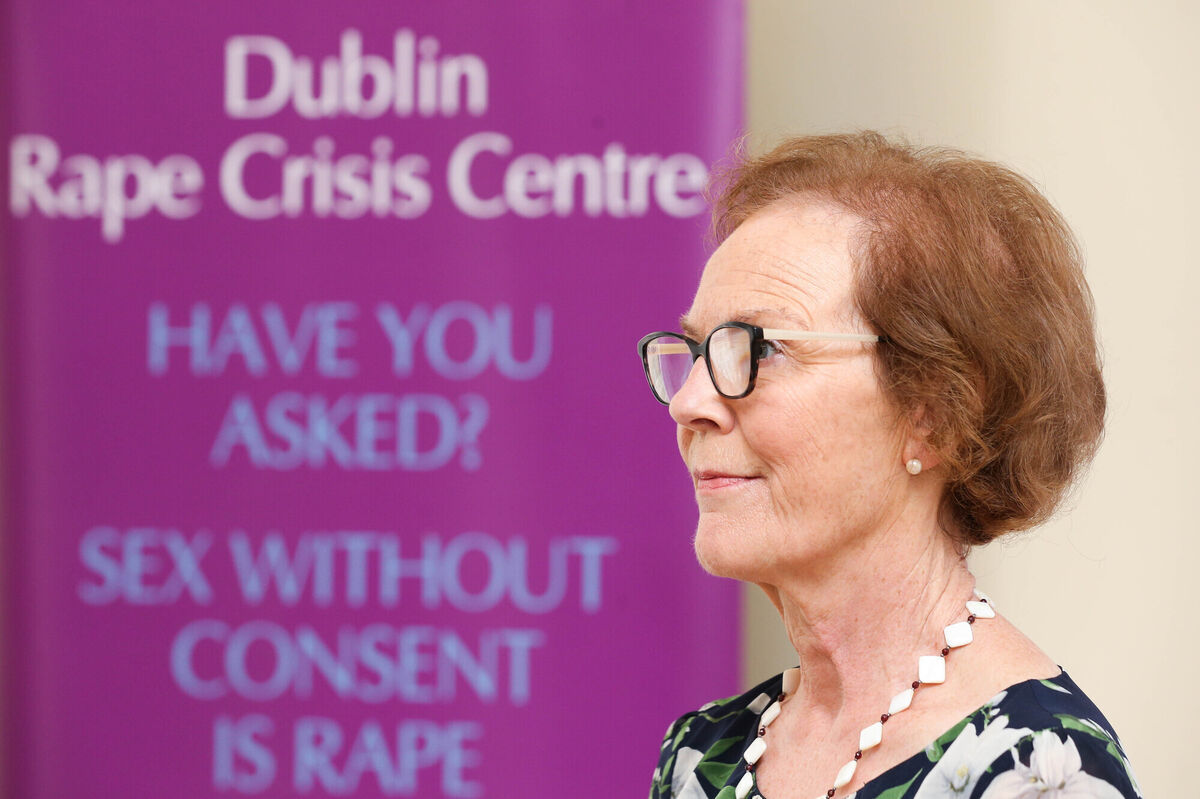
Members of the Defence Forces had been scared to report what was happening to them, scared to report actual crimes for fear that they would be victimised or that their complaint would be ignored, she added.
“While this report is not investigating individual complaints, it's looking at the whole system.
"It's heard too many reports of reprisals, real reprisals, people being made to do what they call the dirty work, people being set aside, people being told that they had to suppress the complaint.
“And in an organisation which depends on people obeying orders, people felt they had to do what that was. So people who took complaints through needed extraordinary stamina.
"That should not be, that's a breach of every single right that a person has as a human being.”
Sexual harassment remained a problem in the Defence Forces, she said.
When asked if there was a role for the Gardaí in investigating some of these cases, Ms Blackwell said there was and the report recommended a change in legislation to ensure that people could report incidents to the gardaí.
However, she warned that people might not be prepared to go through the legal system.
"I think what's good about this report is it says action has to be taken on a number of fronts. Yes. Set up your statutory inquiry, but also fix the complaints process so that that is acceptable.
"People can be supported to go to the guards in the correct situation, but we cannot have a core state institution that is not amenable to justice and that the guards are not involved.
“This is an important report and can be really seminal in changing the Defence Forces for the better.
"Provided it is implemented and provided the resources are available for it. That will only become clearer, I presume, over time as we see where the resources are going into the various aspects, the various recommendations that are needed.
"Some of them can actually be implemented quite quickly and whatever about past abuses, the ones that can be implemented now can be useful for people who are currently serving and people who will serve in the future.”
CONNECT WITH US TODAY



Be the first to know the latest news and updates