Three-quarters of Irish consumers targeted by online fraudsters this year
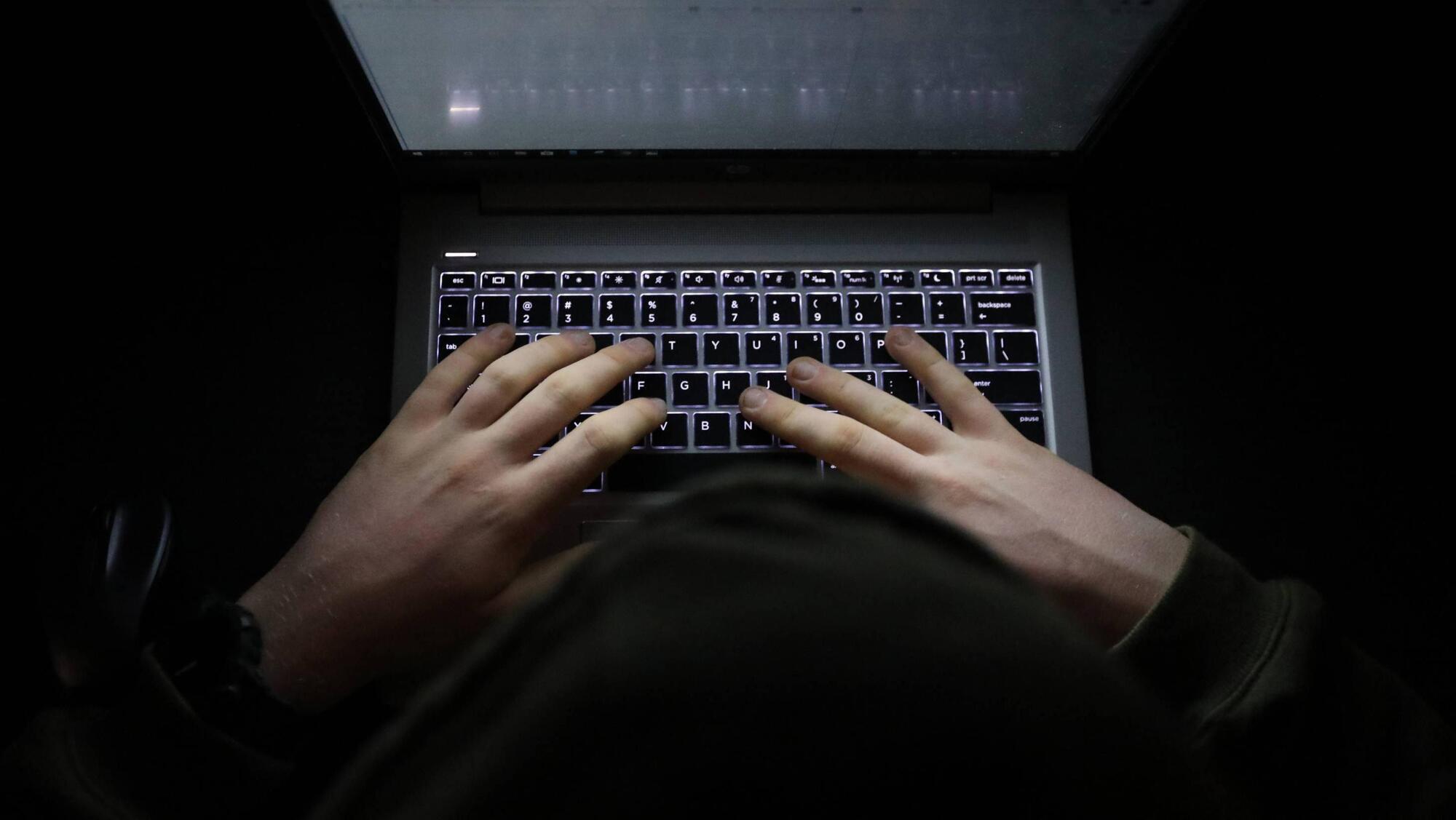
New research from Visa also found that almost one third (30%) of Irish consumers have been the victim of online fraud in 2022. Picture: iStock
Almost three-quarters (73%) of Irish consumers have been targeted by online fraudsters this year, according to new research.
Cards payment giant Visa says fraudsters are using increasingly sophisticated techniques to target Irish online shoppers.
Indeed, new research from Visa also found that almost one third (30%) of Irish consumers have been the victim of online fraud in 2022.
Some 45% of Irish consumers are expected to avail of Black Friday and Cyber Monday sales later this month in a bid to save some money on Christmas presents.
Ahead of the November sales, Visa has urged people to be alert to scams and to protect themselves while shopping.
Visa says that while its Zero Liability Policy means people won’t be held responsible for unauthorised or fraudulent charges made with their card details, consumers should still look out for the tell-tale signs of online fraud.
Any emails, messages, prompts, advertisements, and notifications - particularly those that appear out of the blue- should be checked for spelling and grammar. The sender's details should always be checked against any url included.
Visa also says people should be cautious of "urgent actions", a tactic wherein fraudsters will try to get their target to take some sort of immediate action to avail of a phony deal.
Consumers should also be on the lookout for "hidden prompts" in which fraudsters will try to provoke a response from their target by either by saying there is some sort of issue with a transaction, or by suggesting the victim has won something in a phony giveaway.
Visa says the credibility of any website or email address should always be checked. Anyone who is unsure about these details should contact the company separately to verify a message’s legitimacy before clicking on a link.
Lastly, Visa says people should read out any suspicious messages to someone they trust, who may be able to help advise on the best course of action to take.
Anyone who thinks they have been the victim of online fraud should contact their bank directly and explain what happened.
CONNECT WITH US TODAY



Be the first to know the latest news and updates