Defence Forces sees exodus of doctors 'as better pay available elsewhere'
Defence Forces sees exodus of doctors 'as better pay available elsewhere'

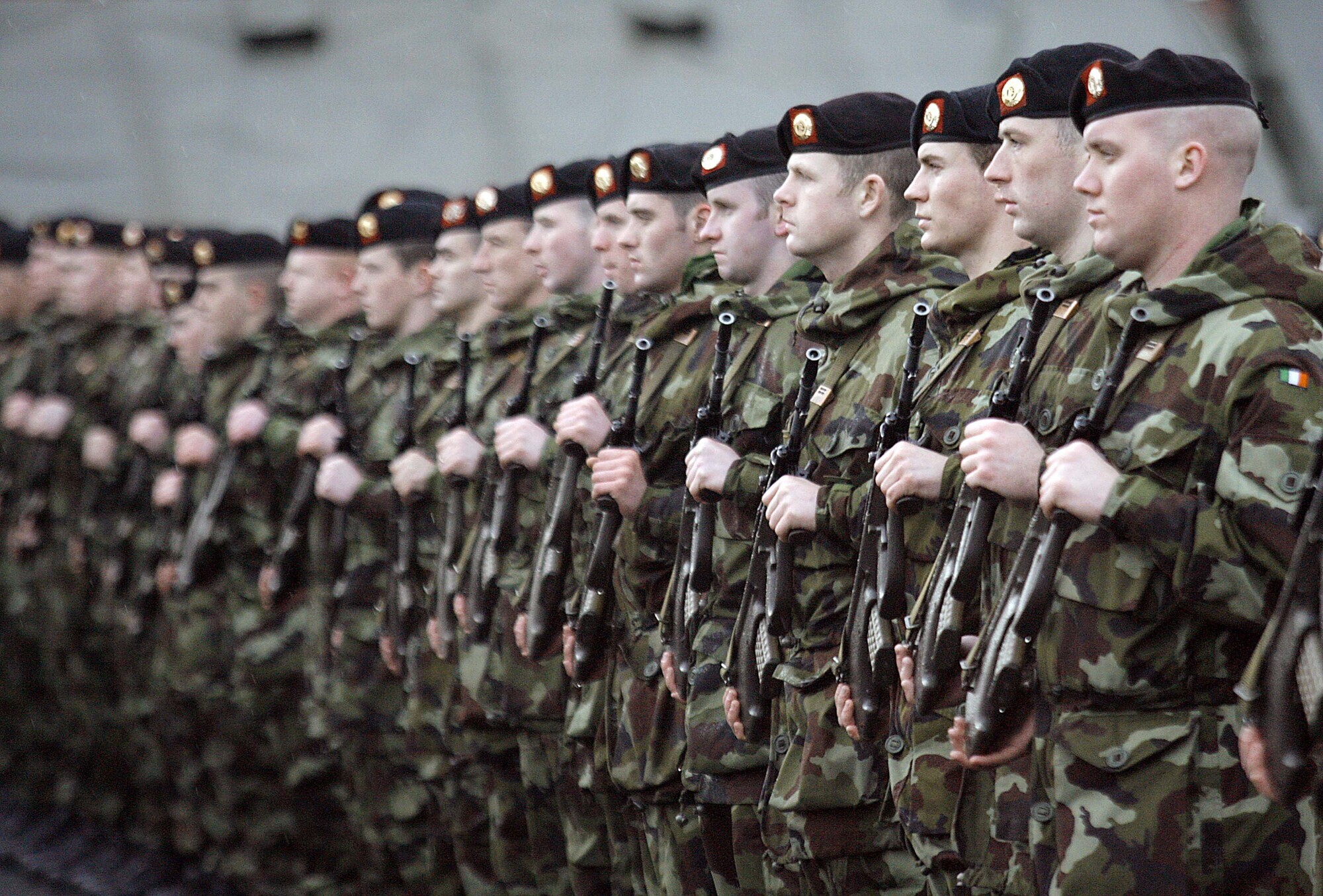
Four doctors left the Defence Forces over a period of six weeks up November 1 this year. File photo

Doctors are abandoning the Defence Forces in such numbers it is severely impacting the military’s capacity to provide health screening for new recruits, those in training or heading on overseas missions, as well as routine treatment for the injured or sick.

The Defence Forces should have 25 Medical Officers (doctors) based in the country. Due to a variety of reasons - vacancies, overseas duties and long-term sickness - just nine can be currently counted as operational.

Four doctors left the Defence Forces over a period of six weeks up November 1 this year. To shore up the gaps, locums are now being used.

Sources in RACO, the association which represents around 1,100 of the country’s military officers, have said there are a number of very serious issues around the provision of medical officers which need to be addressed urgently.

These include poor pay and allowances in comparison to the HSE and promotion prospects, which are also related to pay.

Previously there was a fixed-term period of three years before a captain was promoted to commandant. This has now been extended to nine years, which is another factor making the job less attractive, according to RACO sources.

Fears about the growing exodus of military doctors was first raised by RACO almost 10 years ago and it has again become a hot topic for the association. It is expected to be one of the main topics for discussion when RACO delegates meet for the annual conference in Co. Kildare later this month.

The shortage of military doctors and the knock-on effects are just another example, RACO say, of the military suffering an exodus of specialists for better pay elsewhere.

It mirrors a previous crisis in the Air Corps, which was almost flightless until the Department of Defence eventually responded by providing special loyalty bonuses to officer pilots to stay in service for a defined number of years as they were being offered better pay from commercial airlines.

There is also a serious shortage of engineering officers in the navy, which is now struggling to keep ships on patrol because it also lacks specialist personnel such as medics, communications technicians and more critically ERAs (Engine Room Artificers) - the experts needed to keep ships’ engines going while at sea.

In relation to the loss of doctors, RACO has been advocating for “serious improvements” to their remuneration and terms of condition of employment, maintaining it is the only way to stem the exodus. Some are leaving to become GPs, while others have gone to the Prison Service.

There's a substantial difference in terms and conditions between doctors in the Prison Service and the Defence Forces. Those looking after prisoners can expect a salary of €139,814 for a 39-hr week and 30 days' annual leave. On top of that they get an ‘out of hours’ allowance of €4,941 and can work until the age of 70.

In contrast, a doctor of the rank of captain in the Defence Forces gets €66,711 per annum, which comes without the protection of the Working Time Directive (WTD) which is in vogue in the Prison Service.

While they get 31 days’ annual leave, they are only able to work to the age of 65, and to reach that upper age limit has to be with the permission of the Minister for Defence.

x

More in this section

Lunchtime News

Newsletter

Keep up with stories of the day with our lunchtime news wrap and important breaking news alerts.

Cookie Policy Privacy Policy Brand Safety FAQ Help Contact Us Terms and Conditions

© Examiner Echo Group Limited