Food waste: What are the most common items we dump in our bins?
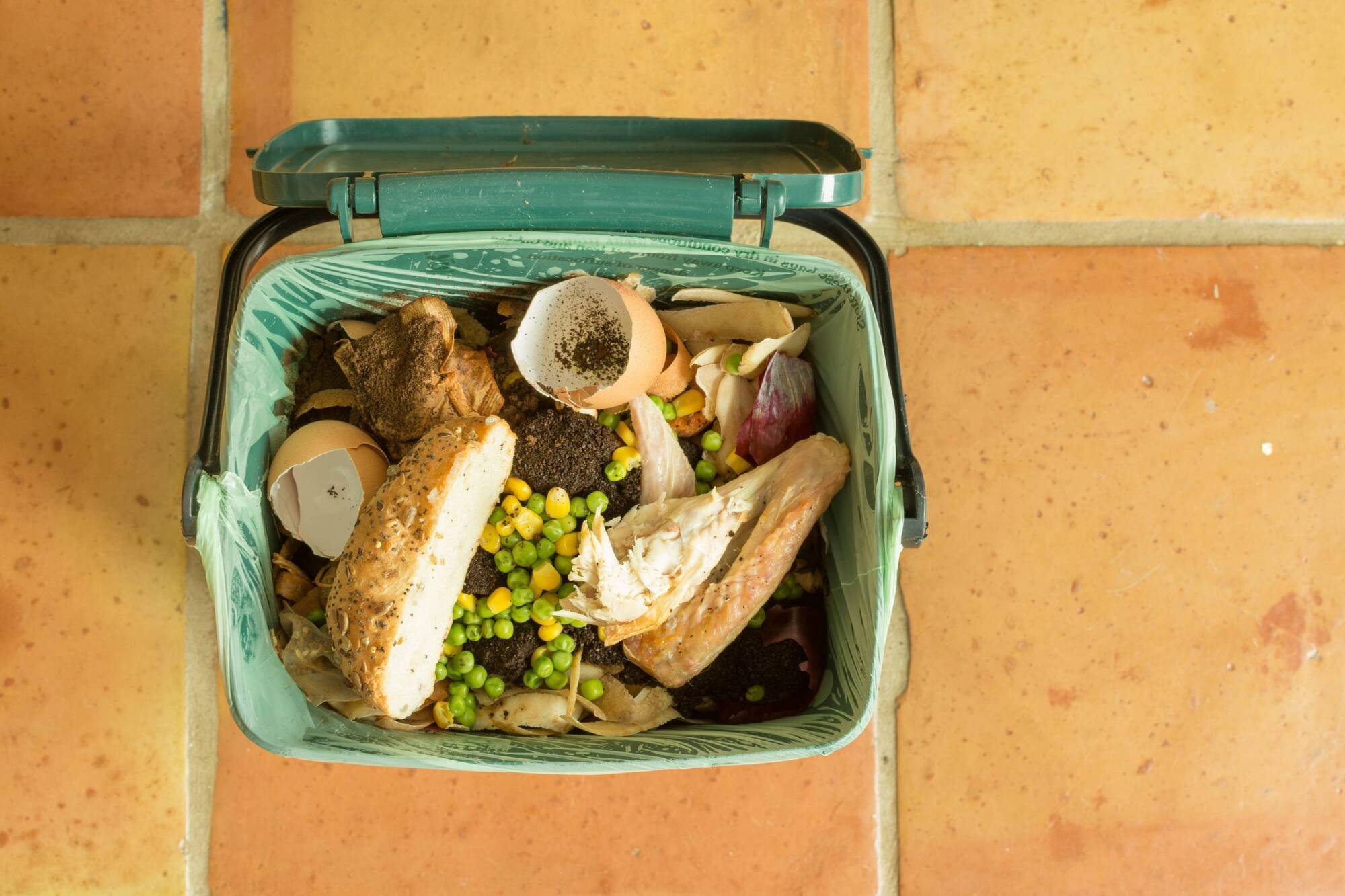
Latest figures from the European Commission's data analysis wing Eurostat show that households are the biggest culprit, being responsible for more than half, or 70kg per inhabitant - a similar weight to a fully-grown adult. File picture
The likes of discarded bread, vegetables, fruit, and meat has led to 127kgs of food wasted per person across the EU annually.
Latest figures from the European Commission's data analysis wing Eurostat show that households are the biggest culprit, being responsible for more than half, or 70kg per inhabitant - a similar weight to a fully-grown adult.
The remaining 45% was waste generated upwards in the food supply chain, in areas such as manufacturing and processing, Eurostat said.
Ireland was calculated as generating more than 770,000 tonnes of food waste in the first year of the Covid-19 pandemic. Households in Ireland were responsible for 241,000 tonnes, with the restaurant industry responsible for 178,000. Manufacturing of food and processing of food accounted for almost 220,000.
In the EU overall, the total food waste measured in 2020 nearly reached 57 million tonnes of fresh mass. Household food waste represented more than 31 million tonnes, Eurostat said.
CLIMATE & SUSTAINABILITY HUB
According to figures from the Environmental Protection Agency (EPA), food waste costs the average Irish household about €60 per month or €700 per year. That is an annual national cost of almost €1.3bn, the EPA said.
Aldi Ireland research earlier this month shows bread is the most commonly discarded item (62%), while fresh veg (55%), fresh fruit (52%), dairy (31%), and meat (27%) round out the top five. It correlates with previous data from the EPA showing bread as the likeliest casualty of food gone to waste.
Aldi Ireland's research also found that food being past its use by date is the most common reason it is thrown out (48%), followed by people not getting around to using it (43%).
🆕🍕🗑️In 2020, around 127 kilogrammes (kg) of food per inhabitant were wasted in the EU. Households generated 55% of food waste, accounting for 70 kg per inhabitant. The remaining 45% was waste generated upwards in the food supply chain.
— EU_Eurostat (@EU_Eurostat) October 25, 2022
👉https://t.co/tJLYnr5bty pic.twitter.com/CHWzZm64Sw
Campaign group Feedback Global, which examines the impact of food production on the environment, claimed in its 2022 report earlier this year that the EU’s food waste accounts for at least 6% of its total emissions and costs the bloc upwards of €143bn per year.
The EU actually wasted more food than it imports, the group's analysis found.
"With the EU’s food system reverberating from the Russian invasion of Ukraine, it is worth considering that, in 2021, the EU imported almost 138 million tonnes of agricultural products from outside of its borders, worth a total of €150bn, while wasting a higher amount — 153.5 million tonnes — of food each year.
"Food insecurity and climate change disproportionately impact women and historically marginalised communities, making food waste a human rights and gender equality issue," it warned.
The multi-sourced report was followed by calls from citizens organisation group, the European Environmental Bureau (EEB) for the European Commission, European Council, European Parliament and EU member states to support food waste proposals.
Backed by 43 organisations from 20 EU countries, the EEB called for legally binding targets for EU member states to collectively achieve a 50% reduction in EU food loss and waste by 2030.