'GPs must have better understanding of the menopause'
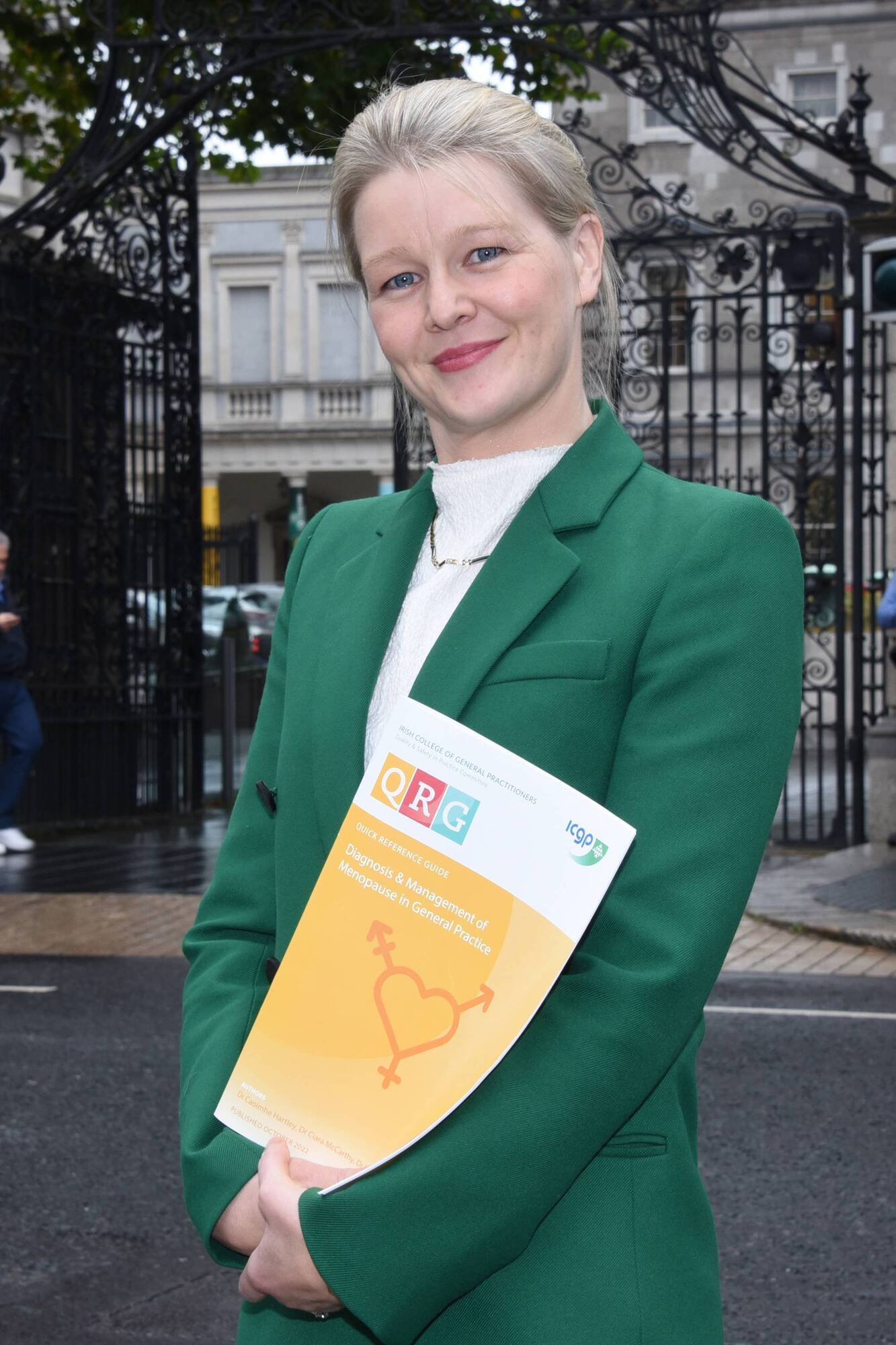
Dr Noirin O’Herlihy, co-author of the new guide, who is also the Irish College of General Practitioners (ICGP) director of women's health. Picture: David Coleman
It will be impossible for doctors to work in general practice without fully understanding the menopause, as women now expect better support, the co-author of a new guide has said.
The guide could usher in significant change in how women interact with healthcare providers, following decades of neglect of this stage in women’s lives, Irish College of General Practitioners (ICGP) director of women’s health Dr Noirin Herlihy said. The aim is to embed menopause awareness into GP training.
“You won’t be able to practice in general practice unless you know about menopause now,” she added.
A GP at Mallow Primary Care Centre, she said 1,000 GPs will take part in an webinar on Wednesday on the new guide, and it will be shared at their autumn conference.
“'Diagnosis and management of menopause in general practice' offers evidence-based information on diagnosis, hormone replacement therapy (HRT) and lifestyle changes for women in perimenopause and menopause.
“In the last two decades we have seen there was a significant emphasis on the negative effects of HRT and less consideration for the negative impact of menopausal symptoms on the quality of life for women.”
ICGP/HSE clinical lead for women’s health, Dr Ciara McCarthy, said up to 80% of women experience physical or emotional symptoms, most of which can be managed in general practice.
Health minister Stephen Donnelly said the guide is part of an overhaul of women’s healthcare, including the development of specialised menopause clinics.
There will be six of these, with three, including one at Nenagh Hospital in Tipperary, already open.
A HSE spokeswoman said clinics in Cork and Galway should open by the end of this year, with three planned for Dublin.
“The target per clinic per annum is circa 500 new patients per year. NMH clinic which opened late last year, has to date seen and reviewed 400 new patients,” the spokeswoman said.
These will offer GP or consultant-led clinics twice a week, with follow-up from a specialist nurse.
Co-founder of Irish Menopause, a 44-000 member online community, SallyAnne Brady welcomed the GP guidelines.
“There is more interest now from GPs,” she said. “And for the positive stories, it is getting better, but it is a bit of a lottery though.
She would like to see menopause training included in basic medical education, so everyone is aware.
The new clinics will benefit women with more severe symptoms or who need specialist care, she said.
“I am not sure everyone appreciates how far we have come,” she said.
Despite the improved access to treatment, Irish women are still unable to get two particular HRT products which have now been out of stock since early February.
While some Estradot products have been re-stocked following shortages earlier this year, the Estradot 37.5mcg transdermal patch is still unavailable, as is the 50mcg version.
The HSE has advised doctors not to prescribe these medications, to avoid women running short until supply is more steady. They have also advised on the sue of alternative products.
The Health Products Regulatory Authority website says this was caused by an unexpected increase in demand across multiple countries. The expected re-stocking date is now mid-October.